Hitachi’s Strategic Approach to Physical AI
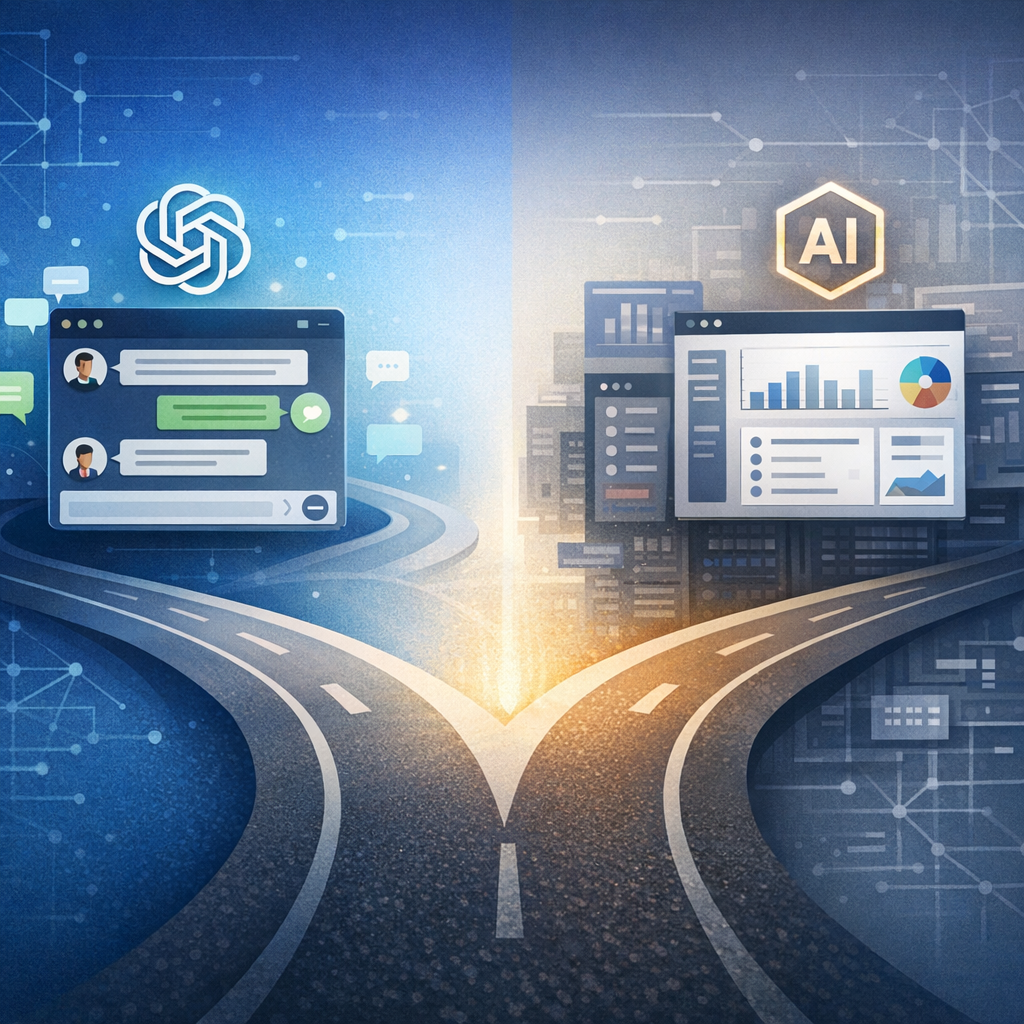
Physical AI, the subset of artificial intelligence focused on controlling robots and industrial machinery in real-world settings, faces unique challenges that differ from traditional AI models. While tech giants like OpenAI and Google focus on developing large multimodal foundation models and Nvidia provides critical platforms and tools, Hitachi is taking a distinct approach rooted in deep industrial expertise and practical application.
Understanding the Physical World Through Industrial Knowledge
Hitachi emphasizes that effective physical AI must be grounded in foundational knowledge of physics and industrial equipment. Kosuke Yanai, deputy director of Hitachi’s Centre for Technology Innovation-Artificial Intelligence, highlighted the necessity of this systematic understanding for AI to be effectively implemented in society. The company’s vast experience in infrastructure projects such as railways and power systems provides a strong base for developing AI systems capable of navigating the physical environment.
Hitachi’s technological assets include thermal fluid simulation tools to model gas and liquid behavior, as well as sophisticated signal-processing technologies for equipment condition monitoring. These capabilities form the engineering backbone supporting their AI development efforts.
Real-World Deployments Demonstrate Effectiveness
Though Hitachi’s comprehensive physical AI framework, known as the Integrated World Infrastructure Model (IWIM), is still in the concept verification phase, the company has successfully launched practical AI solutions with industry partners.
- Daikin Industries: An AI system that diagnoses faults in commercial air-conditioner manufacturing equipment by analyzing maintenance records, manuals, and design documents. This AI replicates the diagnostic intuition of seasoned engineers, identifying failing components rapidly.
- East Japan Railway (JR East): An AI tool that detects root causes of malfunctions within Tokyo’s railway traffic control systems, assisting operators in developing swift response strategies to minimize delays affecting millions of daily commuters.
Research Innovations to Streamline AI Development
Hitachi’s research efforts aim to reduce the complexity and time involved in creating and adjusting control software for industrial AI. Notably, the company introduced two key advancements:
- In the automotive sector, a retrieval-augmented generation system automatically produces integration test scripts for vehicle electronic control units (ECUs), cutting testing labor by 43%.
- In logistics, a variability management system modularizes robot control software, allowing quick adaptation to new warehouse environments without extensive rewrites.
Prioritizing Safety in Physical AI Systems
Safety is integral to Hitachi’s AI design philosophy. The company incorporates stringent control and reliability measures to ensure AI decisions stay within human-approved operating parameters. These include input validation to exclude unsuitable data, output verification to avoid hazardous actions, and real-time monitoring to detect anomalies in AI behavior.
Such precautions are essential given that physical AI failures can have severe real-world consequences, distinguishing these systems fundamentally from more forgiving software like chatbots.
Infrastructure and Collaboration Supporting Ambitious Goals
Hitachi’s data and digital infrastructure division, Hitachi Vantara, is an early adopter of Nvidia’s RTX PRO Servers, leveraging cutting-edge GPUs to accelerate physical AI workloads. These resources support the creation of digital twins—virtual models capable of simulating complex physical systems such as power grids and robotic operations at scale.
The IWIM framework aims to integrate Nvidia’s Cosmos physical AI platform with specialized Japanese-language large language models (LLMs) and visual models through a model context protocol (MCP), facilitating seamless interaction between diverse AI components and industrial datasets.
Implications for the Physical AI Landscape
While the competition in physical AI remains dynamic, Hitachi’s approach underscores the critical value of combining domain expertise with advanced AI architectures. As deployments with partners like Daikin and JR East demonstrate tangible benefits, the industry is taking note of the importance of industrial knowledge in realizing effective physical AI solutions.
Fonte: ver artigo original

Related Articles
 Converge Bio Secures $25 Million to Advance AI-Powered Drug Discovery
 Google Takes Legal Action Against AI-Powered Chinese Cybercrime Operation
 Pure Storage and Microsoft Azure Drive Enterprise Readiness for AI-Enabled Data Infrastructure
 Genesis AI Redefines Humanoid Robots with Eno’s Non-Human Design