What happened
Genesis Eno humanoid robot is at the center of this update. Genesis AI unveils Eno, a humanoid robot that abandons human-like appearance for functional design, signaling a shift in robotics philosophy.
Genesis AI Unveils Eno, a Function-First Humanoid Robot
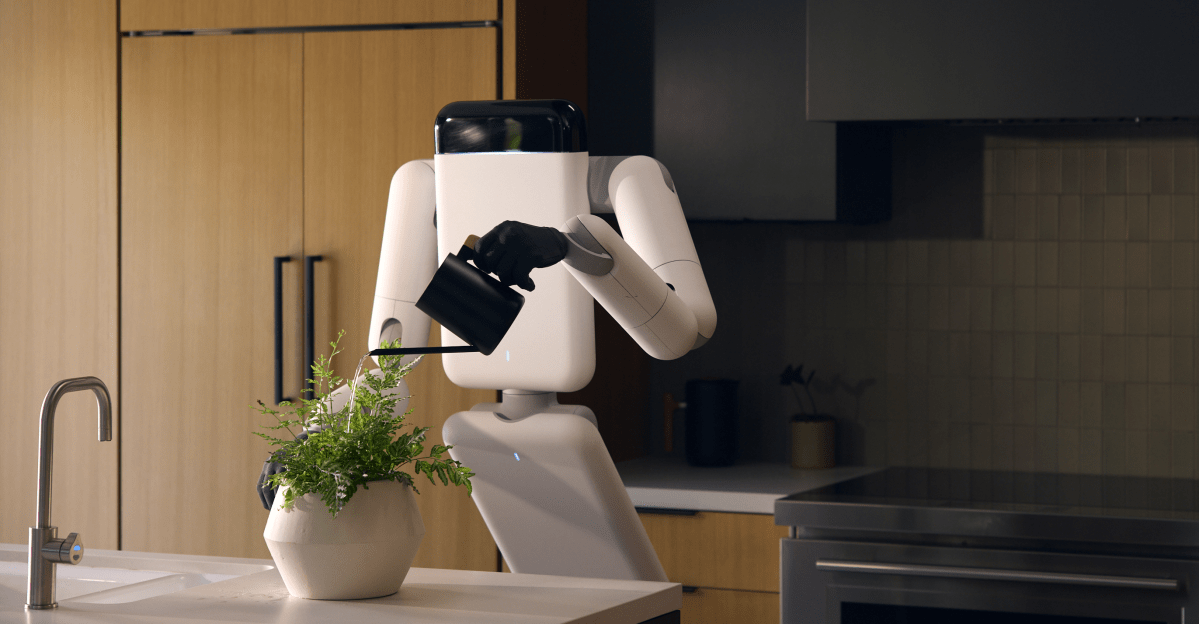
Genesis AI, a French robotics startup backed by former Google CEO Eric Schmidt, has introduced Eno, a humanoid robot that redefines what ‘humanoid’ means in robotics. Unlike conventional robots designed to closely resemble humans with heads, legs, and bipedal locomotion, Eno features a wheeled base and a foldable structure, emphasizing operational capability over human-like appearance.
What Happened
Eno departs from the traditional humanoid robot blueprint by omitting a head and legs, instead adopting a design akin to a deck chair on wheels. Genesis AI articulates that humanoid robots do not need to look human, focusing instead on matching human capabilities. The robot’s hands remain distinctly human-like to enable precise interaction and manipulation.
Why It Matters
This design shift signals a potential paradigm change in humanoid robotics. By focusing on general-purpose functionality rather than mimicking human form, Genesis AI aims to create adaptable robots capable of performing diverse tasks efficiently. This contrasts with specialized robots optimized for single functions, such as folding laundry. If adopted widely, this approach could lower barriers to practical robot deployment in homes and workplaces.
Context in the Robotics Race
The humanoid robotics space is increasingly competitive, with Tesla’s Optimus project aiming for human-like robots and other startups pushing different design philosophies. Genesis AI’s approach aligns with a broader industry reconsideration of the value of human-like aesthetics versus operational effectiveness. Eric Schmidt’s involvement brings strategic insight and resources, underscoring the startup’s ambitions.
Expected Impact
Eno’s emergence could influence robot design standards by encouraging manufacturers to prioritize capability and versatility over human resemblance. This may lead to more cost-effective, adaptable robots entering the market sooner, accelerating the integration of humanoid robots into everyday settings.
Unanswered Questions
Key unknowns include Eno’s AI sophistication, autonomy level, task repertoire, and commercial rollout plans. Comparative performance data against competitors like Tesla Optimus remains to be seen, as does the startup’s targeted market segments.
Related coverage: AI Chronicle analysis and updates.
Sources consulted
- https://www.theverge.com/ai-artificial-intelligence/951283/genesis-ai-humanoid-robot-eno
- https://www.tesla.com/blog
- https://www.tesla.com/AI
Why it matters
This update influences the AI race across model providers, infrastructure leaders, and enterprise adoption decisions.

Related Articles
 Mixup Launches as an Innovative AI Image Creation App Using Google’s Nano Banana Model
 Nvidia’s $20 Billion Groq Deal Signals Major Acquisition as Most Staff Join Nvidia
 Pure Storage and Microsoft Azure Drive AI-Ready Data Solutions for Enterprise Modernization
 Nous Research Launches Open-Source AI Coding Model NousCoder-14B Amid Rising Industry Competition