AI’s Quiet Revolution in Enterprise HR
While much attention around artificial intelligence focuses on customer-facing innovations, many enterprises are discovering that the true test for AI lies in internal operations. Human resources (HR), with its structured workflows and regulatory demands, is emerging as a primary area where AI is being harnessed to improve efficiency and decision-making.
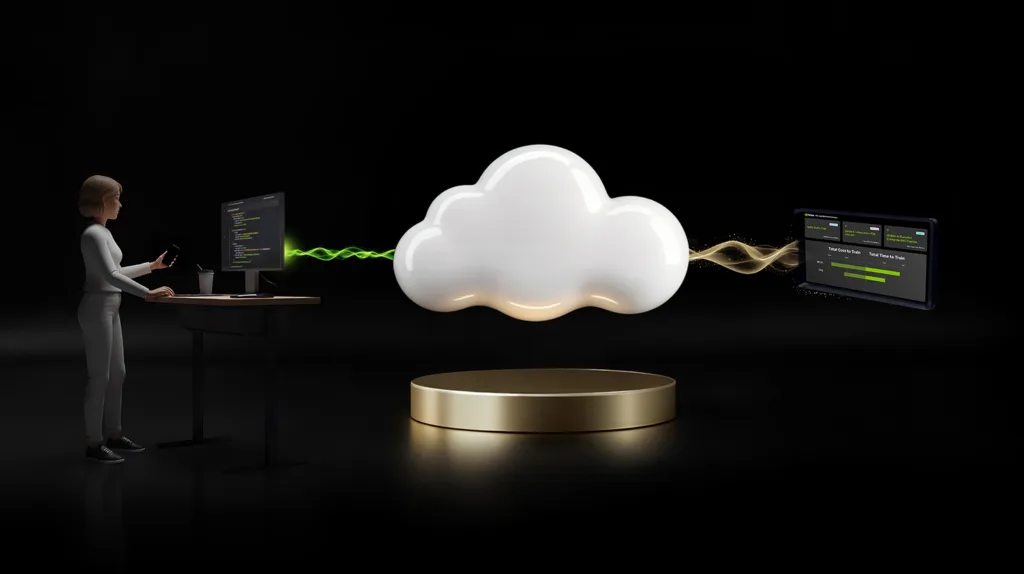
One notable example is the telecommunications group e&, which has embarked on a significant shift toward an AI-first HR model. Covering approximately 10,000 employees, this transformation is supported by Oracle Fusion Cloud Human Capital Management (HCM) hosted on a dedicated Oracle Cloud Infrastructure region, a move designed to ensure compliance with data sovereignty and regulatory standards.
Why HR is an Ideal Starting Point for Enterprise AI
HR functions often involve repetitive, data-rich tasks such as candidate screening, onboarding, leave management, and training coordination. These repeatable processes generate consistent data patterns that are well-suited for AI-driven automation and predictive analytics. By deploying AI in HR, companies like e& can pilot AI technologies in a controlled environment, managing risks related to reliability and governance before expanding AI use to more complex or sensitive business areas.
Balancing Innovation with Compliance and Risk Management
The choice to deploy AI in a dedicated cloud region underscores the importance of regulatory compliance, especially for multinational companies where workforce data intersects with privacy laws and employment regulations. Running AI tools in such a controlled infrastructure helps mitigate risks while allowing enterprises to explore automation benefits.
Moreover, internal HR systems present fewer reputational risks compared to customer-facing AI applications. Errors in HR automation, while impactful, can be more easily audited and corrected within established governance frameworks, making HR a safer proving ground for AI adoption.
AI-Driven Improvements in Recruitment and Employee Support
e& plans to utilize AI to enhance recruitment screening, coordinate interviews, and personalize employee learning recommendations. Additionally, the integration of AI-powered digital assistants aims to handle frequent employee inquiries about policies and benefits, reducing manual workload and improving access to information.
Success in these areas depends heavily on the accuracy of AI tools, the robustness of oversight mechanisms, and seamless integration with existing HR processes. This balance is critical to maintaining employee trust and ensuring the technology delivers tangible value.
Expanding the Scope of HR Automation with AI
Traditional HR software primarily managed records and workflows, but AI introduces capabilities such as predictive matching and decision support. This evolution raises important governance considerations, including data quality, algorithmic bias, auditability, and transparency.
Furthermore, AI is reshaping HR roles rather than replacing them. By automating routine tasks, HR professionals can focus more on strategic activities like policy interpretation, employee engagement, and managing exceptions. Clear escalation and review protocols are essential to prevent overdependence on automated systems.
The Future of AI in Enterprise Operations
The scale of e&’s AI deployment marks a shift from experimental projects to operational infrastructure supporting thousands of employees. This progression challenges organizations to address reliability, training, and change management in real time across diverse jurisdictions.
Workforce operations, with their structured data and measurable outcomes, are positioned as ideal entry points for broader AI adoption. The experiences gained here will likely influence how enterprises extend AI integration into other internal functions such as finance and procurement.
(Photo by Zulfugar Karimov)

Related Articles
 China Deploys AI to Map Entire Renewable Energy Grid, Setting a Global Benchmark
 Possessor(s) is a fast-paced action game that gets off to a slow start
 Former Harvard Students Launch AI-Enabled Smart Glasses with Continuous Audio Recording
 EU Seeks Stronger AI Regulation but Faces Challenges Gaining Access to OpenAI and Anthropic Models