The End of an Era for Smartphones
Technology visionary Callaghan boldly asserts that in less than a decade, smartphones as we know them—specifically iPhones—will no longer be in use. “We’re not going to be using iPhones in 10 years,” he states plainly, adding, “I kind of don’t think we’ll be using them in five years.” This stark prediction highlights a significant shift in how individuals might interact with technology in the near future.
AI and the Transformation of Everyday Devices
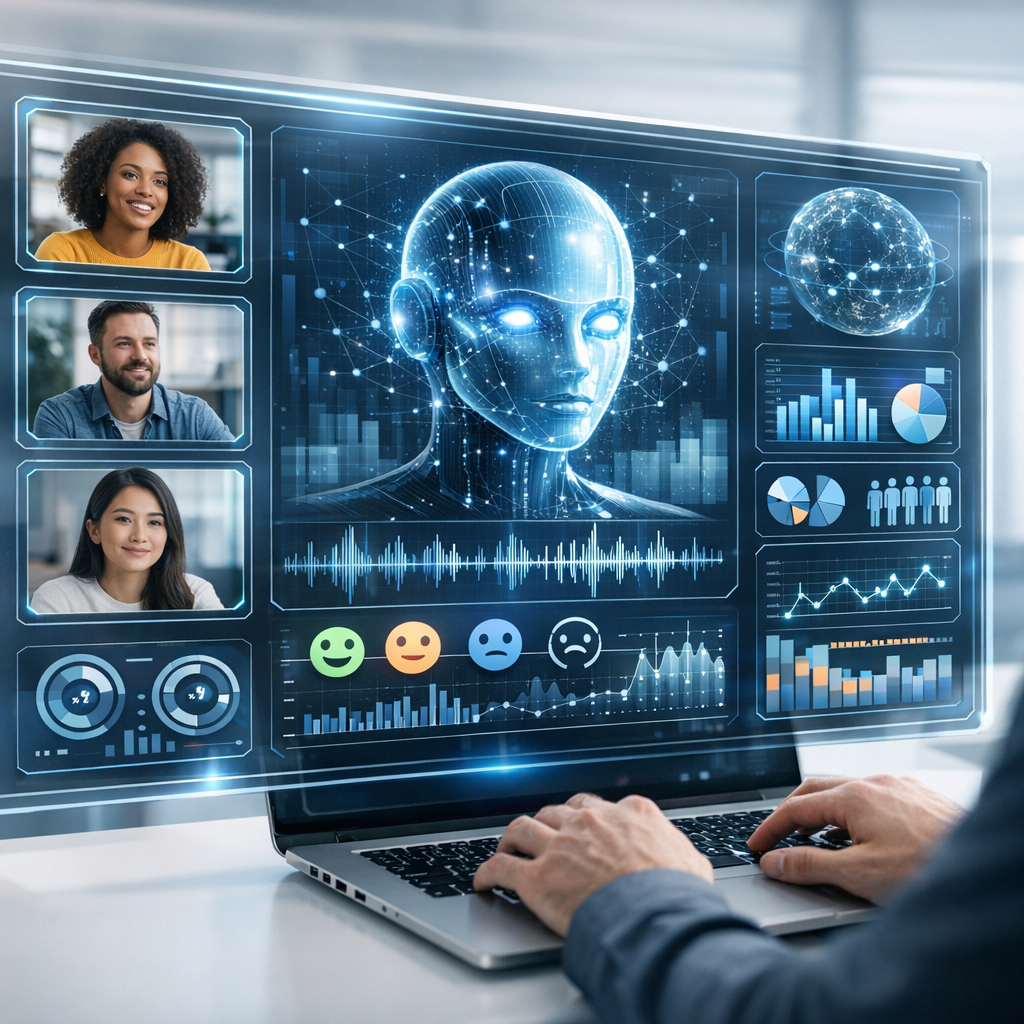
The rapid advancement of artificial intelligence (AI) is fundamentally changing the landscape of personal technology. AI-powered tools and assistants are increasingly integrated into work and daily life, enhancing productivity and enabling new forms of interaction. Devices that seamlessly incorporate AI capabilities could render traditional smartphones obsolete.
From Phones to Intelligent Assistants
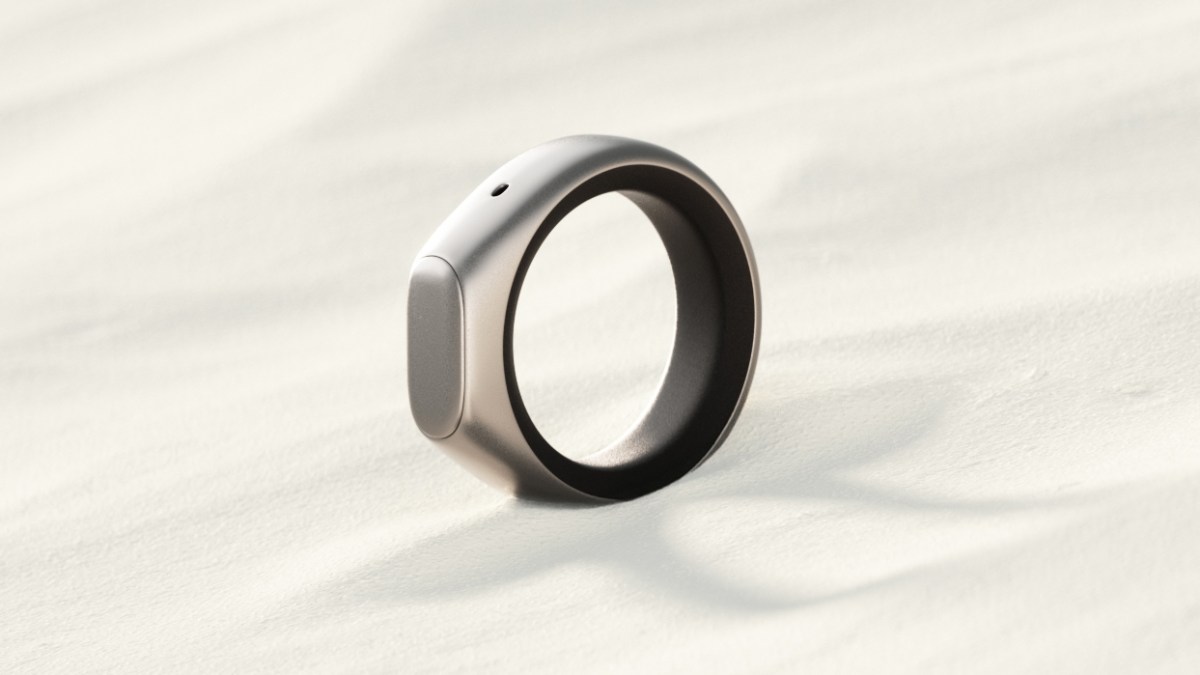
Instead of carrying a physical phone, users might rely on AI assistants that operate through augmented reality glasses, wearables, or even direct neural interfaces. These platforms will likely offer more intuitive communication methods, contextual awareness, and personalized interactions without the constraints of current hardware.
Implications for the Workforce and Daily Life
As AI tools become more prevalent, they are already reshaping job roles and productivity methods, particularly for freelancers, students, and small businesses. The decline of smartphones as primary devices could coincide with the rise of AI-enabled systems that automate routine tasks, assist with complex problem-solving, and facilitate more dynamic remote work environments.
New Opportunities and Challenges
- Job Evolution: Certain jobs centered around smartphone usage may decline, but new roles focused on managing, developing, and integrating AI technologies will emerge.
- Privacy and Security: With AI deeply embedded in everyday devices, concerns about data privacy and security will intensify, necessitating robust safeguards.
- Accessibility: Intelligent AI systems could improve accessibility for users with disabilities, offering more personalized and adaptive support.
What to Expect Next
The next five to ten years are poised to bring significant innovations that will reshape communication technology. Companies like Microsoft, Google, and Meta are heavily investing in AI research and development, indicating a competitive race to pioneer the post-smartphone era. The integration of AI into daily life promises not only greater convenience but also challenges that society must address thoughtfully.
Fonte: ver artigo original

Related Articles
 Mercor Faces Cyberattack Linked to Open-Source LiteLLM Project Compromise
 Google’s Gemini 3 Pro Leads New AI Reliability Benchmark Despite Persistent Hallucination Issues
 Tokenize: LDN 2025 to Showcase Pioneering Web3 and Tokenization Innovations at Excel London
 Apple’s MacBook Neo Sets New Standard as Most Repairable Model in Over a Decade