Google Opal AI: Simplifying Mini-App Creation with Artificial Intelligence
Google has quietly entered the growing field of AI-powered application development with the introduction of Opal AI, an experimental tool that enables users to build lightweight “mini-apps” via a visual interface enhanced by artificial intelligence. This new platform aims to bridge the gap between rapid coding, no-code platforms, and AI-driven app creators.
Filling a Unique Niche in the App Development Landscape
Unlike full-stack app builders that focus on comprehensive application development, Opal AI prioritizes speed, simplicity, and logic-driven workflows. This focus makes the platform particularly suitable for startups, marketers, educators, and small to medium-sized businesses seeking to quickly prototype functional micro-apps without requiring extensive engineering resources.
By combining AI assistance with an intuitive visual workflow, Opal AI allows users to create and iterate on mini-apps that can serve various purposes, from internal tools to customer engagement solutions. The platform’s design philosophy emphasizes minimizing technical barriers while maximizing productivity and creativity.
Who Benefits from Google Opal AI?
- Startups: Rapidly develop prototypes and test ideas without heavy development costs.
- Marketers: Create tailored micro-apps for campaigns and audience interaction.
- Educators: Build interactive learning tools and manage educational content efficiently.
- Small and Medium Businesses: Automate workflows and improve operational efficiency with custom mini-apps.
Implications for the Future of AI and Work
Opal AI exemplifies how artificial intelligence is reshaping everyday work by democratizing app development. Tools like this reduce the reliance on specialized engineering skills, allowing a broader range of professionals to harness AI capabilities to solve problems and innovate quickly.
As AI continues to evolve, platforms such as Google Opal AI are expected to play a significant role in enhancing productivity and enabling new forms of digital creativity across multiple industries.
Fonte: ver artigo original

Related Articles
 Disney Integrates Generative AI into Its Core Operations to Enhance Content Creation and Efficiency
 Stanford Study Highlights Risks of Seeking Personal Advice from AI Chatbots
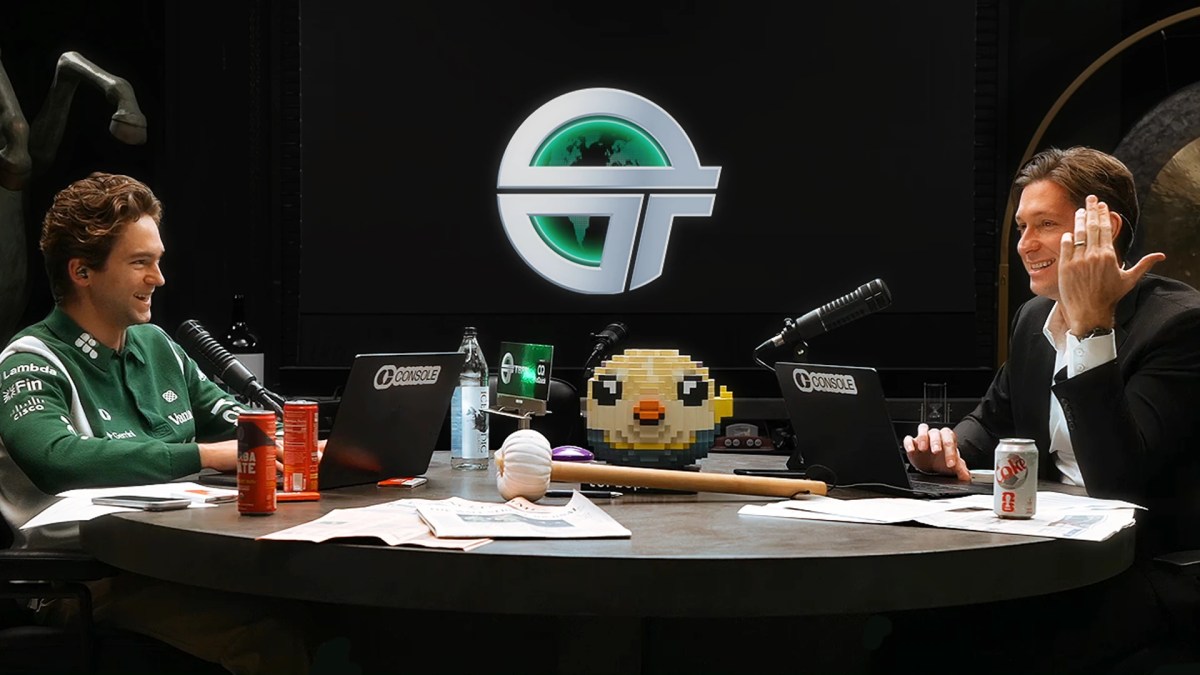 OpenAI Acquires Popular Tech Podcast TBPN, Maintaining Independent Operation
 Gridcare Uncovers Over 100 GW of Hidden Data Center Capacity Using AI-Powered Grid Analytics