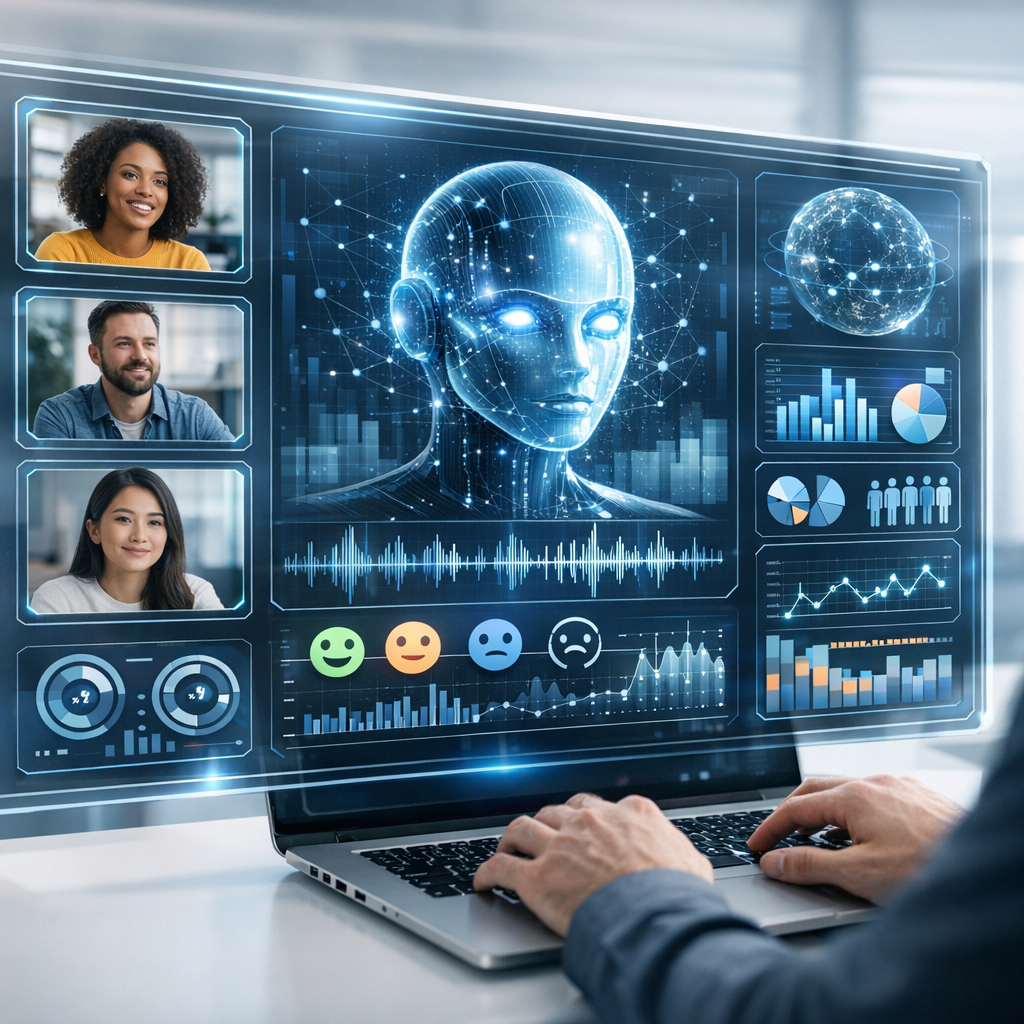
AI’s Emerging Role in the Future Labor Landscape
The integration of artificial intelligence (AI) into the workforce is advancing rapidly, yet the full extent of its impact on employment remains difficult to predict. Industry investors, however, are increasingly confident that transformative trends will become apparent starting in 2026.
Uncertainty Meets Anticipation
Despite the ambiguity surrounding how AI will reshape job roles and industries, there is a growing consensus among investors that the next few years will mark a turning point. This period is expected to reveal which jobs AI will replace, which new roles will emerge, and how companies will adapt to these changes to optimize productivity and reduce costs.
Transforming Workplaces and Productivity
Numerous AI tools are already in use, enhancing daily workflows and boosting productivity across sectors. From AI assistants simplifying routine tasks to sophisticated applications assisting with data analysis, AI is steadily becoming integral to the way work is conducted.
Investors are particularly attentive to AI solutions that automate repetitive labor, indicating a shift in the types of jobs most vulnerable to automation. Early targets include roles involving data entry, routine customer service, and certain administrative functions.
New Opportunities and Challenges
While concerns about job displacement dominate discussions, AI is also creating new categories of employment. Careers centered on AI development, oversight, and ethical implementation are expanding. Furthermore, small businesses and freelancers are leveraging AI-driven tools to enhance competitiveness and efficiency.
Corporate Strategies and Cost Management
Companies are increasingly adopting AI to streamline operations and cut costs, signaling a strategic move toward digital transformation. This trend underscores the need for workforce reskilling and adaptation to maintain relevance in evolving job markets.
Looking Ahead
As 2026 approaches, the labor market is poised to experience significant shifts driven by AI integration. Stakeholders from workers to policymakers must prepare for these changes by fostering adaptability, investing in education, and promoting responsible AI use.
Fonte: ver artigo original

Related Articles
 Meta Commits to 100MW of Solar Power for New AI Data Center in South Carolina
 Tokenize: LDN 2025 to Showcase Groundbreaking Web3 and Real-World Asset Tokenization Innovations
 Google’s Gemini Set to Integrate NotebookLM for Enhanced AI-Powered Note Importing
 OpenAI Introduces Advanced Voice Intelligence Features in Its API