Arm Holdings and the Evolution of AI
Arm Holdings has established itself as a pivotal player in the ongoing transformation of artificial intelligence (AI). In a detailed podcast interview, Vince Jesaitis, Head of Global Government Affairs at Arm, shared insights into the company’s global strategy, its vision for AI’s evolution, and what the future holds for the industry. Arm is shifting focus from the traditional cloud-based AI processing toward more decentralized, edge computing solutions.
From Cloud to Edge Computing
While much of the AI landscape has centered on large cloud data centers, Arm anticipates a significant transition toward edge computing, where AI inference processing occurs locally on devices. Jesaitis emphasized that the next breakthrough will involve AI-powered devices operating independently in environments previously unimaginable, ranging from smartphones and earbuds to automobiles and industrial sensors.
Arm’s technology is already deeply embedded in over 30 billion chips worldwide across diverse devices. This widespread integration positions Arm as a leader in enabling edge AI.
Advantages of Edge AI Deployment
- Energy Efficiency: Arm’s low-power chips reduce energy consumption and cooling costs, minimizing the environmental impact of AI systems.
- Reduced Latency: Local AI processing lowers latency significantly, enabling near-instantaneous responses for applications such as real-time translation, dynamic control systems, and critical safety features in industrial IoT (IIoT) environments.
- Enhanced Data Privacy: By keeping AI processing local, sensitive data remains on-premises, which is crucial for organizations in highly regulated sectors and those aiming to reduce exposure to data breaches.
Engagement with Global Governments
Arm actively collaborates with policymakers worldwide, recognizing the importance of government partnerships in semiconductor investments and workforce development. Jesaitis highlighted Arm’s involvement with the White House in building an ‘AI-ready workforce,’ stressing that technological independence requires both advanced hardware and skilled human talent.
He also noted contrasting regulatory priorities: the U.S. focuses on accelerating innovation, while the European Union emphasizes safety, privacy, and compliance. Arm seeks to balance these approaches by developing AI solutions that meet rigorous global standards while fostering industry advancement.
Enterprise Benefits of Edge AI
Arm advocates for integrating its edge AI architecture into enterprise digital transformation strategies. The scalable AI solutions offered do not rely solely on cloud centralization, and Arm’s investments in hardware-level security help mitigate risks such as memory exploits that can affect centralized AI models.
As data regulations tighten globally, industries face increasing compliance demands and penalties. Demonstrating robust security and safety in AI systems will provide competitive advantages, a niche where Arm’s edge AI solutions fit well.
Additionally, Arm’s energy-efficient chips align with growing ESG (Environmental, Social, and Governance) goals, especially in Europe and Scandinavia. Major cloud providers like AWS have introduced Arm-based platforms to meet demand for low-cost, low-power AI computing.
Looking Ahead: Industry Trends
Jesaitis foresees several developments in the AI industry over the next 12 to 18 months. Global AI exports from regions including the U.S. and Middle East are expanding AI availability. Arm supports both large cloud providers and the increasing appetite for localized edge AI solutions.
Edge AI also emerges as a sustainability champion, offering high performance with reduced ecological footprint due to Arm’s heritage in low-power mobile computing.
Redefining Intelligence at the Edge
Arm envisions edge AI devices to be context-aware, cost-effective, secure by design, and highly responsive due to near-zero network latency. Jesaitis summarized this evolution by stating, “We used to call things ‘smart’ because they were online. Now, they’re going to be truly intelligent.”
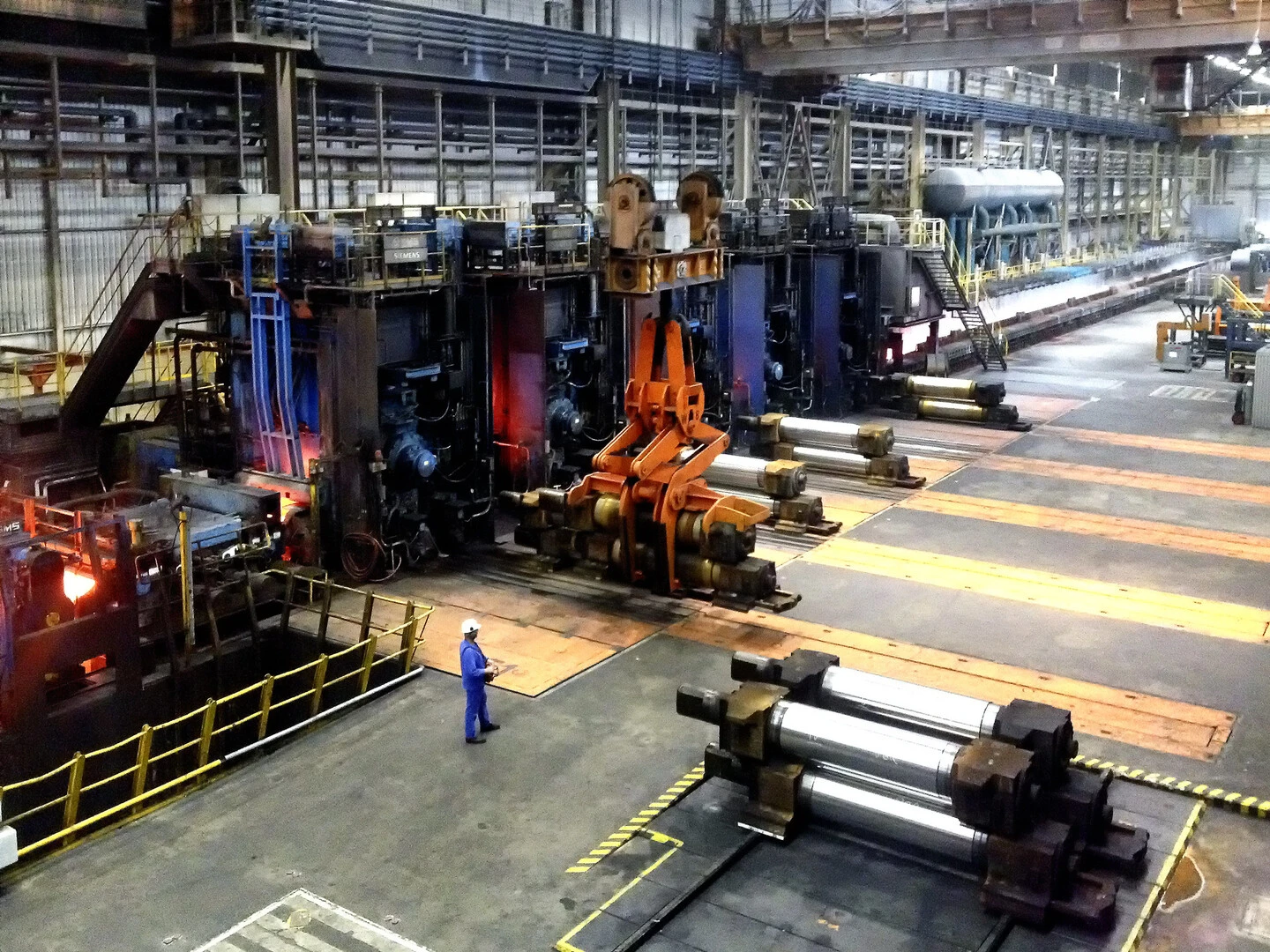
(Image source: “Factory Floor” by danielfoster437, licensed under CC BY-NC-SA 2.0.)
Discover More: For insights on AI and big data, explore the AI & Big Data Expo, hosted in Amsterdam, California, and London. This event features industry leaders and is part of the broader TechEx series.

 Anthropic Unveils Cowork: A User-Friendly AI Desktop Agent That Manages Your Files Without Coding
 OpenAI Secures $110 Billion in Historic Private Funding Round
 Samsung Plans Major AI Upgrade for Bixby with One UI 8.5 Update
 Google Faces Backlash Over Gmail’s Use of Emails for AI Training