
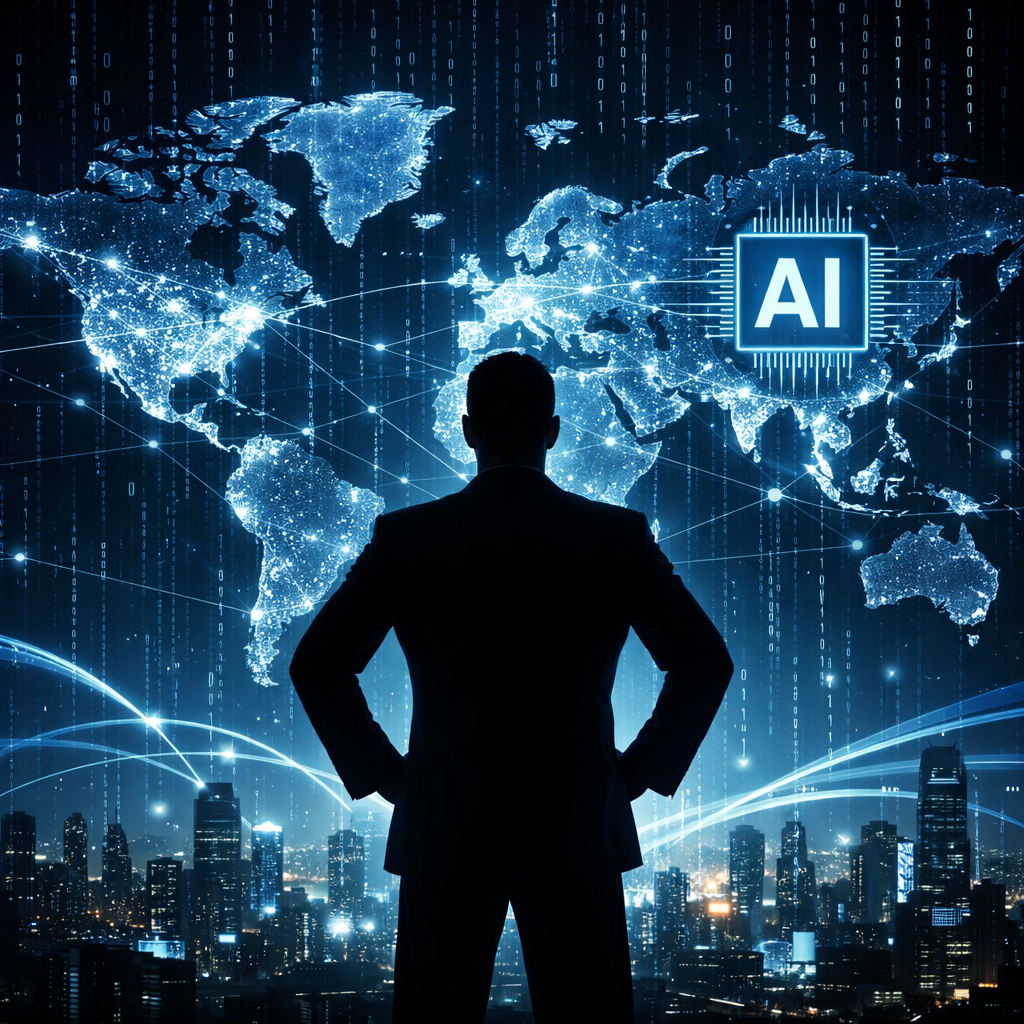
The Unseen Rise of AI CEOs as Power Brokers
Forget the traditional image of CEOs as mere business executives. In the age of artificial intelligence, figures like Sam Altman, Jensen Huang, and Elon Musk wield influence that rivals governments. Their decisions shape not only the technology we use but the very fabric of society and governance. Are we witnessing the birth of a new kind of political elite?
From Tech Innovators to Political Actors
These AI leaders are not just competing in a market; they are setting global standards, rewriting rules of regulation, and framing ethical debates. The AI race has morphed into a contest for control rather than pure innovation. Who writes the AI safety policies? Often, it’s the same companies and CEOs who stand to profit—or lose—from those policies.
Concentration of Power: The New Monopoly
Jensen Huang’s NVIDIA controls critical AI hardware, making it a gatekeeper to future advancements. Meanwhile, companies like OpenAI have shifted from their original open-source promises to more closed, proprietary models. This consolidation threatens innovation and amplifies corporate influence over AI’s trajectory.
Ethics as a Branding Strategy, Not a Moral Compass
AI safety discussions often ring hollow as big tech firms use them more as marketing tools than genuine commitments. The pursuit of profit frequently undermines ethical considerations, raising uncomfortable questions: Is safe AI just a slogan? Are we sacrificing public good for market dominance?
The Impact on Democracy and Society
When AI CEOs hold sway over data, algorithms, and policy, democratic accountability suffers. These leaders influence everything from job automation trends to misinformation spread. How can societies protect themselves when those shaping AI also shape political narratives?
Why Should We Care?
- AI governance is increasingly in the hands of a few private entities rather than public institutions.
- Talent wars for AI experts intensify these power imbalances as startups collapse and giants consolidate.
- Regulation debates are often dominated by corporate interests, sidelining public welfare.
- AI alignment problems remain unsolved, but CEOs already dictate the direction of research and deployment.
Are We Ready to Challenge AI Power?
The future of artificial intelligence is intertwined with the future of power itself. It’s time to ask uncomfortable questions: Should we let a handful of CEOs dictate the AI landscape? Are existing democratic institutions equipped to manage this shift? Or are we quietly handing over societal control to corporate titans under the guise of technological progress?
Only by confronting these challenges head-on can we hope to steer AI towards a future that benefits all, not just the powerful few.

Related Articles
 Unlock Effortless Corporate Video Production with Synthesia’s AI-Powered Avatars
 Rapid Data Center Expansion Poses Challenges to Microsoft’s Sustainability Ambitions
 A Automação do Trabalho Está a Redefinir a Classe Média: Quem Vai Sobreviver à Revolução da IA?
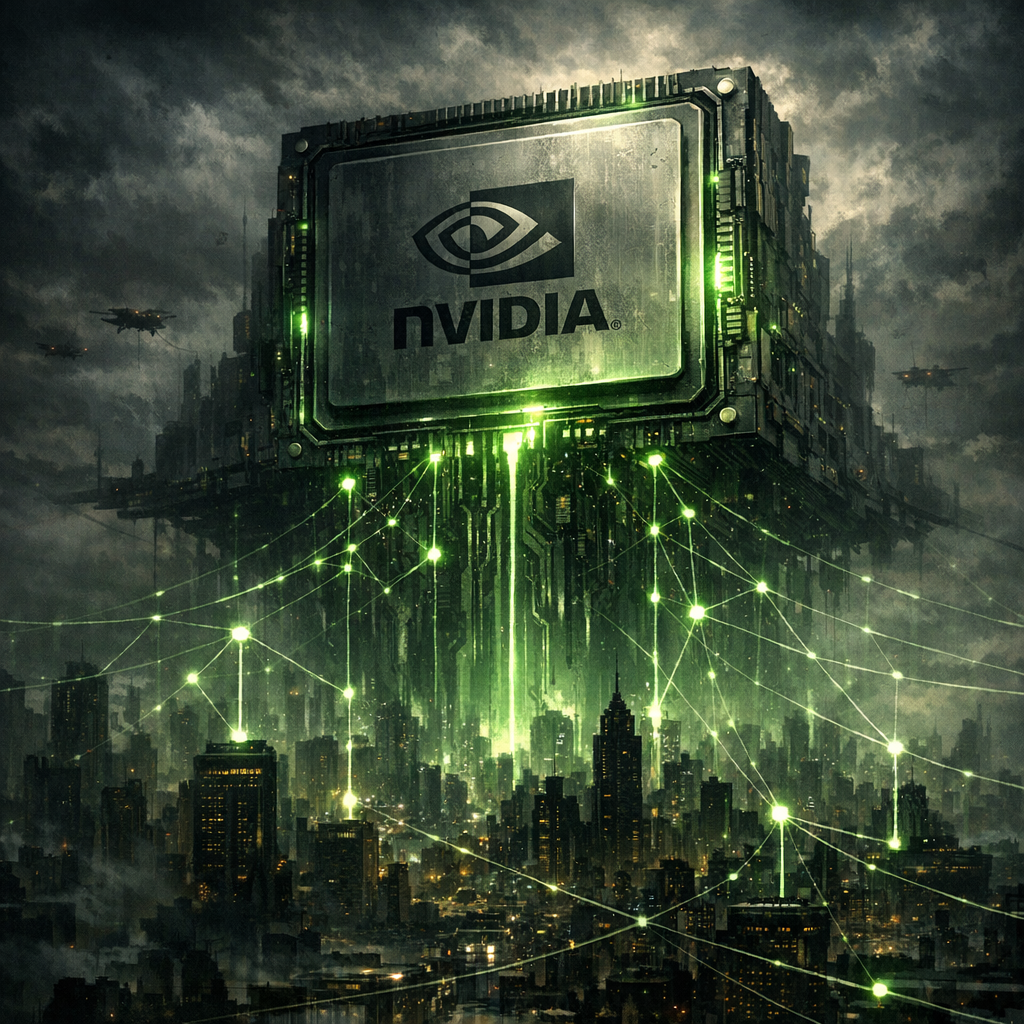 How AI Power Concentration Threatens Innovation and Democracy in the Age of Nvidia and OpenAI (2026)


