Zara, a global leader in fast fashion, is experimenting with generative artificial intelligence to enhance everyday retail operations, particularly focusing on the creation of product imagery — a segment often overlooked in tech discussions within the retail sector.
AI-Powered Product Imagery: Enhancing Efficiency in Retail Content
Recent reports reveal that Zara employs AI to create new images of real models wearing various outfits derived from existing photoshoots. While human models continue to participate actively, including providing consent and receiving compensation, AI tools enable the brand to modify and expand visual content without the need for entirely new photoshoots. This approach aims to accelerate content generation and cut down on the frequency and costs associated with traditional photoshoots.
Reducing Repetition and Costs Through AI
For Zara, product imagery is not merely a creative element but a crucial aspect that directly influences the speed at which new items are launched and refreshed across diverse markets. Each product typically requires multiple visual variants tailored to specific regions, digital platforms, and marketing campaigns. Even minor garment changes traditionally trigger a complete restart of the imagery production process, leading to delays and increased expenses.
By integrating AI, Zara compresses these cycles, reusing approved images to generate new variations efficiently, thereby minimizing redundant efforts and accelerating time-to-market.
Seamless Integration into Existing Production Pipelines
Zara’s strategy does not involve overhauling creative workflows or launching AI as a separate product. Instead, AI tools are embedded within the existing production pipeline to support continuous output while reducing handoffs and friction. This pragmatic deployment reflects a broader trend in enterprise AI adoption, where technology is leveraged to alleviate bottlenecks in repetitive tasks rather than replace human decision-making or creativity.
Supporting Broader Data-Driven Retail Operations
This imagery initiative complements Zara’s established data-centric systems, which utilize analytics and machine learning to predict demand, manage inventory, and respond swiftly to customer behavior. Faster visual content production contributes to these systems by shortening the gap between inventory updates, online presentation, and consumer response, ensuring that the fast fashion model remains agile and responsive.
From Pilot to Routine Use: AI as Operational Infrastructure
Zara maintains a cautious stance, avoiding grandiose claims about AI’s impact on cost savings or creative transformation. The current use case remains operational and narrowly focused, reflecting a matured phase where AI is integrated into daily functions rather than being an experimental novelty. This transition often leads to less public discussion as AI becomes a normalized part of business infrastructure.
Importantly, human oversight remains integral; models continue to be involved, and brand consistency, ethical standards, and quality control govern AI-generated imagery. The technology extends existing creative assets rather than independently generating content, aligning with common enterprise practices that automate repeatable components while preserving human creativity.
Implications for the Future of AI in Retail
Zara’s AI deployment does not herald a fundamental reinvention of fashion retail but exemplifies how AI incrementally enhances operational efficiency by targeting manual, repetitive tasks previously resistant to standardization. Such practical implementations demonstrate how AI adoption can become durable in large organizations through small, continuous improvements rather than sweeping strategic shifts.
These subtle but meaningful changes help streamline workflows, making everyday retail operations faster and more efficient — eventually becoming indispensable to business processes.
Photo by M. Rennim
Related Reading: Walmart’s AI Strategy: Beyond the Hype, What’s Actually Working
Learn more about AI and big data from industry leaders at the AI & Big Data Expo, held in Amsterdam, California, and London.
AI News is powered by TechForge Media. Discover more enterprise technology events and webinars here.
Fonte: ver artigo original

Related Articles
 OpenAI and Dell Collaborate to Deploy Codex in Hybrid and On-Premise Enterprise Settings
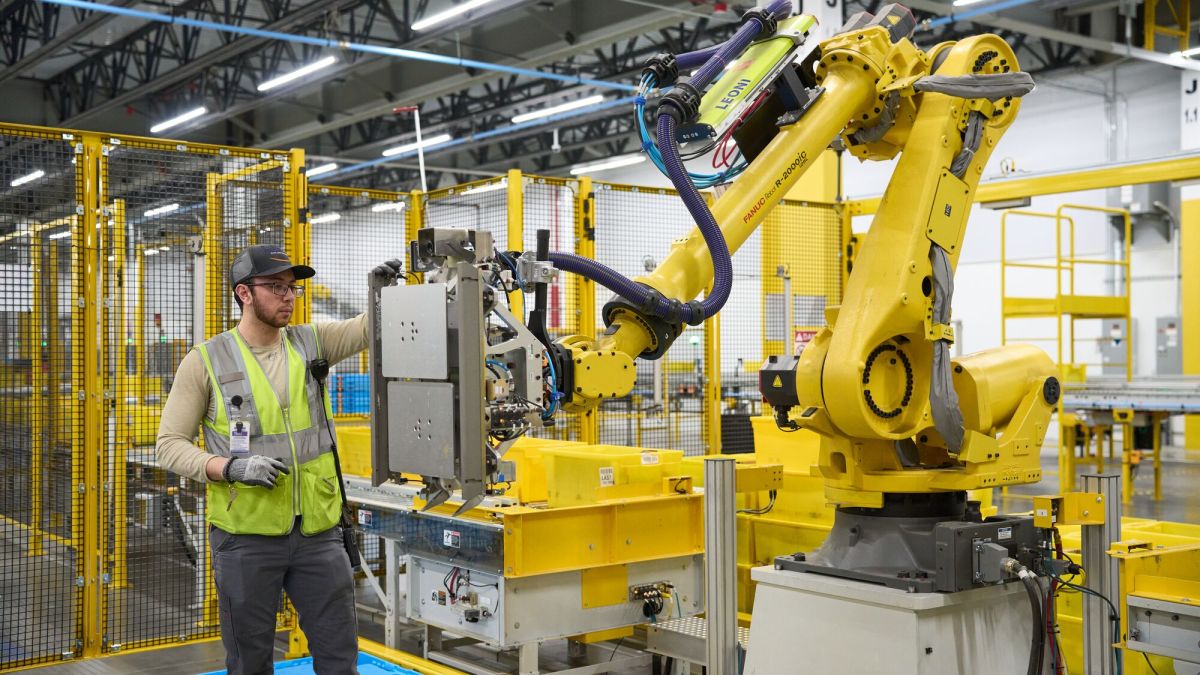 Amazon Discontinues Blue Jay Robotics Project After Less Than Six Months
 Zara’s Integration of AI Highlights Subtle Shifts in Retail Workflows
 Despite Advances in AI, US Students Still Prefer Professional Essay Writing Services Over ChatGPT