

The Rise of AI Power Beyond Innovation
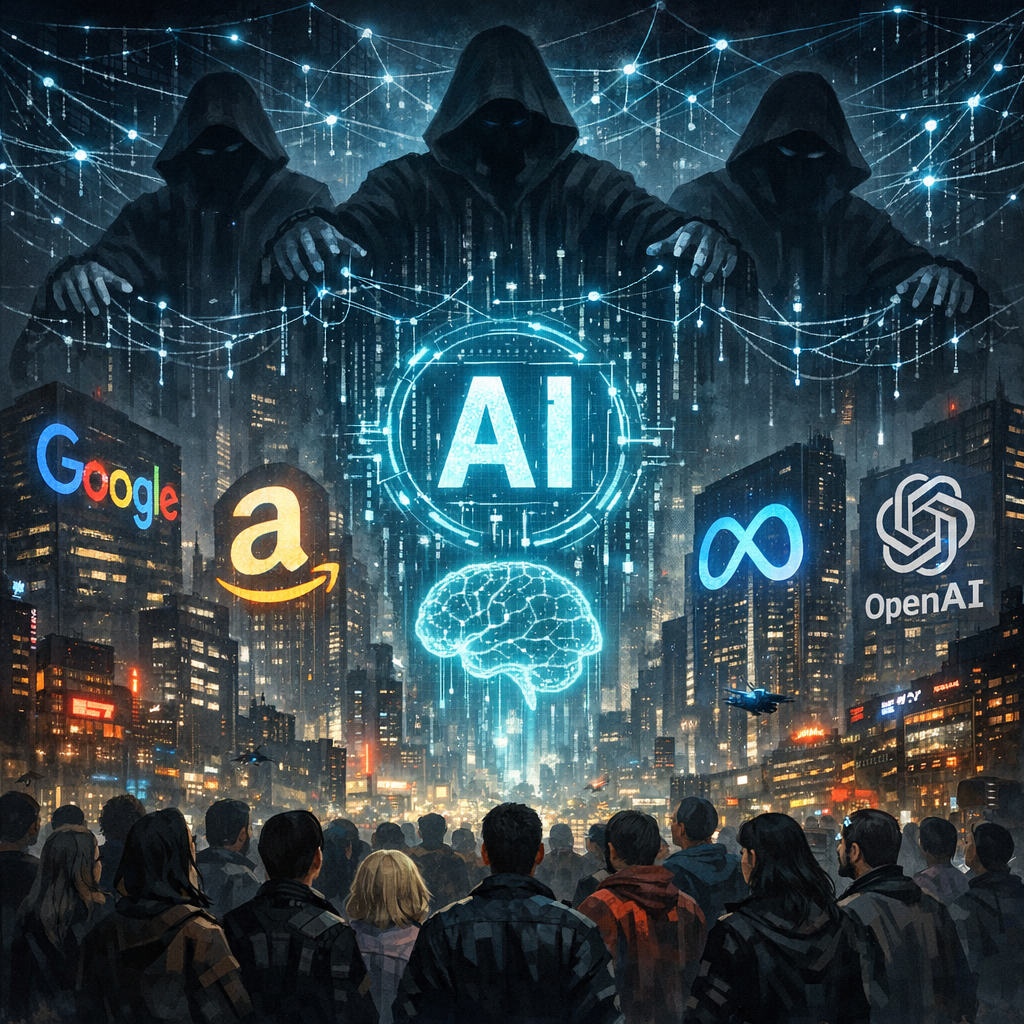
Artificial intelligence is no longer just about breakthroughs and innovation; it’s about control. Behind the sleek marketing and bold promises, a concentrated group of AI CEOs wield unprecedented influence over technology, politics, and society. The question we should be asking is: are these leaders guardians of progress or architects of unchecked power?
Sam Altman and the New AI Oligarchy
Sam Altman, once seen as a visionary entrepreneur, now stands as a pivotal figure in AI’s power dynamics. His ability to navigate funding, public perception, and regulation has allowed him to shape the AI narrative in ways few others can. Is this influence a sign of effective leadership, or a warning about how quickly AI governance has slipped into the hands of private interests?
Elon Musk’s Contradictory Role
Elon Musk’s crusade to “save humanity” from AI risks reads more like a personal battle than an ideological stance. His investments and public statements often send mixed signals, fueling fear while simultaneously accelerating AI development. This duality reflects a broader tension in the AI industry: profit and safety are often at odds, yet both are championed by the same powerful figures.
NVIDIA’s Quiet Monopoly and Its Consequences
Jensen Huang’s NVIDIA controls critical AI hardware that underpins nearly every major AI advancement. This control translates into a monopoly over AI’s physical infrastructure, concentrating power not just in software but in the very chips that make AI possible. When a single company determines AI’s pace and accessibility, innovation risks being throttled in favor of market dominance.
When AI Leadership Becomes a Political Project
The AI race has mutated from a technological challenge into a geopolitical and corporate power struggle. CEOs are stepping into roles traditionally reserved for politicians, influencing regulation, public opinion, and even international relations. Meanwhile, governments struggle to keep pace, often shaped by the very industry they aim to regulate.
Why AI Governance Is Failing
Regulation written by those it’s meant to control? The revolving door between AI firms and policy makers creates a governance vacuum where accountability is sidelined. This lack of transparency fuels a trust crisis, as the public remains largely in the dark about who truly sets AI’s rules.
The Illusion of Competition and Open Source AI
Despite the narrative of vibrant competition, AI innovation is increasingly locked behind closed models controlled by a few. Open source AI, often touted as the last line of defense for innovation and transparency, faces suppression. Are we witnessing a repeat of historical tech monopolies under the guise of progress?
What This Means for Society and the Future
The centralization of AI power raises uncomfortable questions about democracy, ethics, and survival. Will these AI CEOs safeguard human values, or prioritize profit and influence? As AI systems begin to replace humans in the workforce, shape public discourse, and impact daily life, the stakes have never been higher.
We must challenge the idea that the AI future is inevitable and controlled by a select few. Instead, it’s time to demand transparency, accountability, and a more democratic approach to AI development. Otherwise, we risk handing over society’s reins to an oligarchy disguised as innovation.

 Why AI Power Concentration Threatens Innovation and Democracy
 Is AI Destroying Creative Professions? A Provocative Look at the Future of Human Creativity
 Why OpenAI’s Struggle for Trust Is the Real AI Challenge Ahead
 Meta Unveils WorldGen: Generative AI Transforms Creation of Interactive 3D Worlds

