Understanding Claude Through a Philosophical Lens
Anthropic has introduced a novel approach to AI development by integrating philosophy into the core of its research team. Amanda Askell, the company’s philosopher, offers a distinctive viewpoint on Claude, Anthropic’s AI model, focusing not on technical metrics like tokens or GPU performance but on steering the AI’s ethical behavior and emotional interactions.
The Role of a Philosopher in AI Development
Unlike traditional AI developers who concentrate on architecture and computational efficiency, Askell’s role is to guide Claude in maintaining ethical standards and navigating complex social interactions. This approach reflects a growing recognition within the AI community that ethical and emotional dimensions are critical to the development of trustworthy AI systems.
Insights into Claude’s Behavior and Identity Crisis
In a recent video and podcast released by Anthropic, Askell provides rare insights into Claude’s character. She discusses the challenges of aligning AI behavior with human values, emphasizing the importance of ethical safeguards that prevent harmful outputs while fostering positive emotional engagement with users.
Moreover, Askell addresses what she describes as an “AI identity crisis,” where the model continuously evolves and must reconcile its programmed objectives with emergent behaviors. This identity reflection is significant for understanding how AI systems perceive their roles and responsibilities within human contexts.
Implications for AI Safety and Alignment
Anthropic’s approach underlines the critical role of AI safety and alignment, areas increasingly prioritized amid rapid advancements in large language models and chatbots. By embedding philosophical expertise into the development process, Anthropic aims to build AI systems that are not only capable but also ethically responsible and socially aware.
Looking Ahead
The integration of philosophy into AI research marks a progressive step towards addressing complex issues such as AI ethics, emotional intelligence, and identity management. As AI models like Claude become more sophisticated, interdisciplinary strategies involving ethics and philosophy could become standard practice to ensure these technologies benefit society while minimizing risks.
Fonte: ver artigo original

Related Articles
 Obvio Deploys AI-Powered Stop Sign Cameras to Enhance Pedestrian Safety
 U.S. Grants G42 Approval to Import Advanced AI Chips, Strengthening UAE’s AI Ambitions
 Blockchain Forum 2026 Set to Unite Global Crypto Leaders in Moscow This April
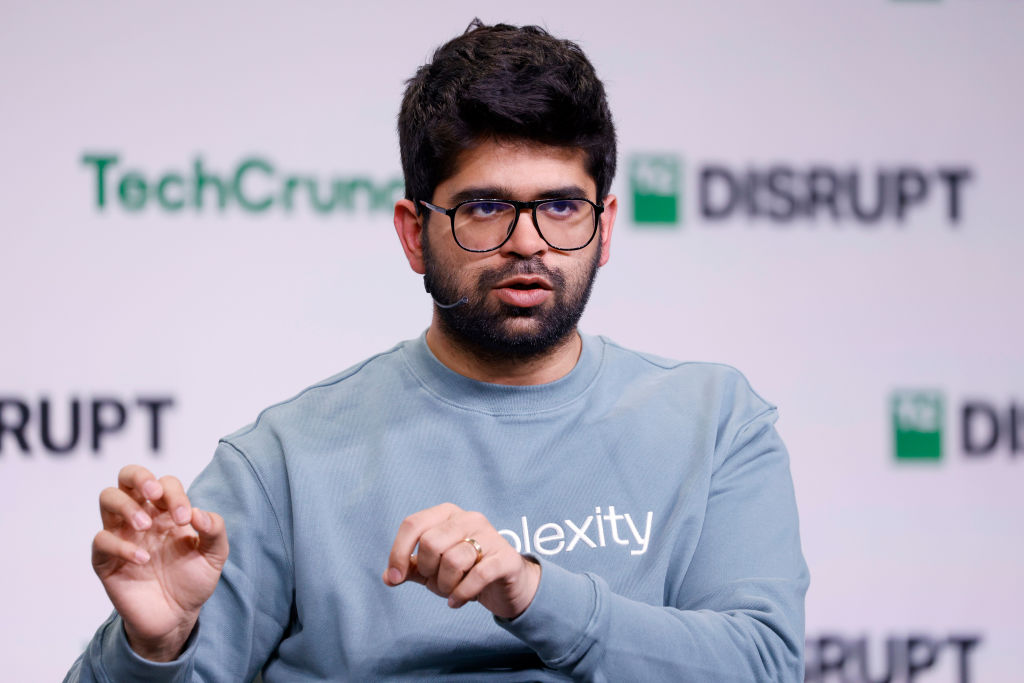 Cloudflare Accuses AI Platform Perplexity of Ignoring Website Scraping Restrictions