Meta Boosts Solar Energy Investment for AI Data Center
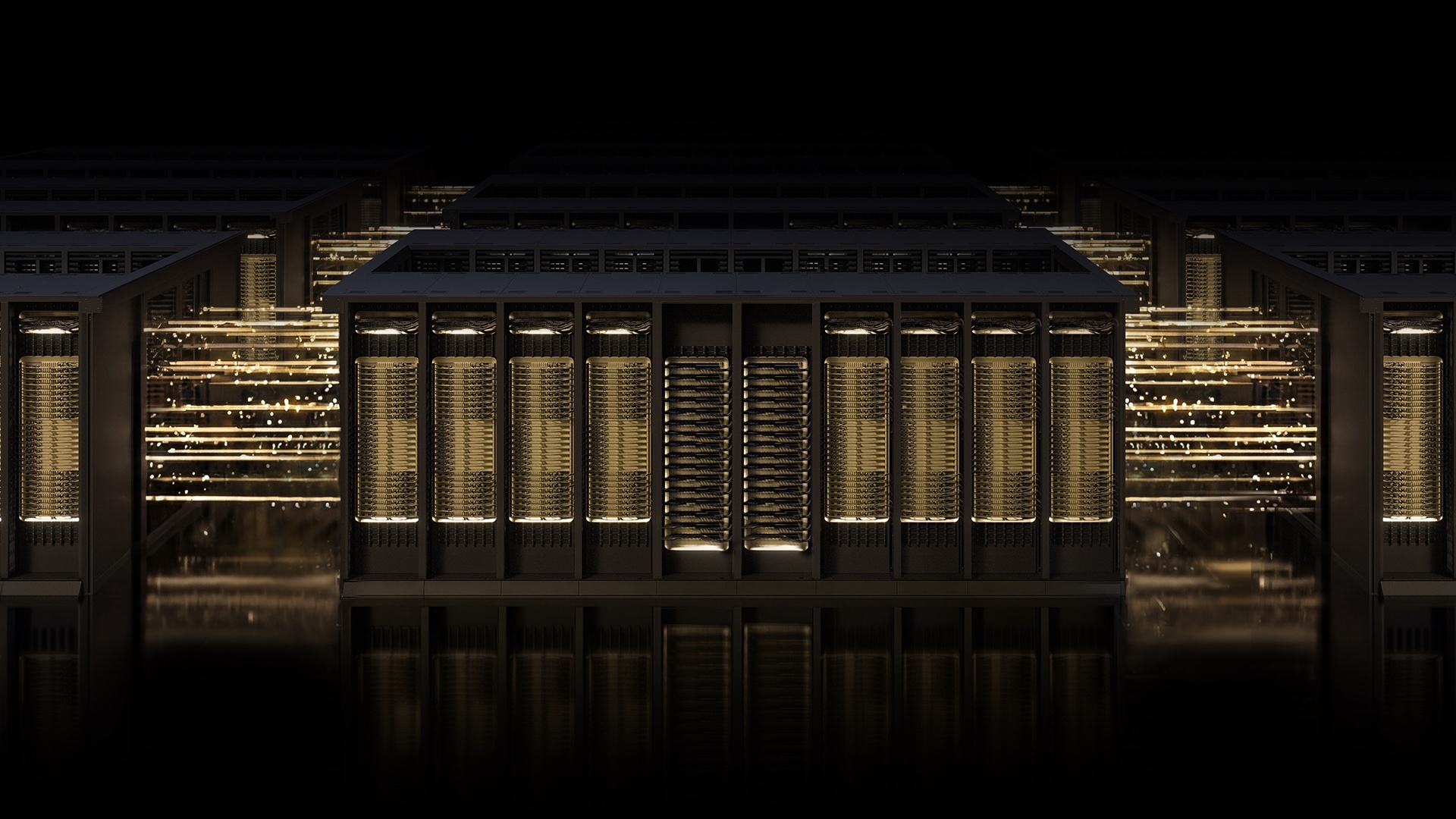
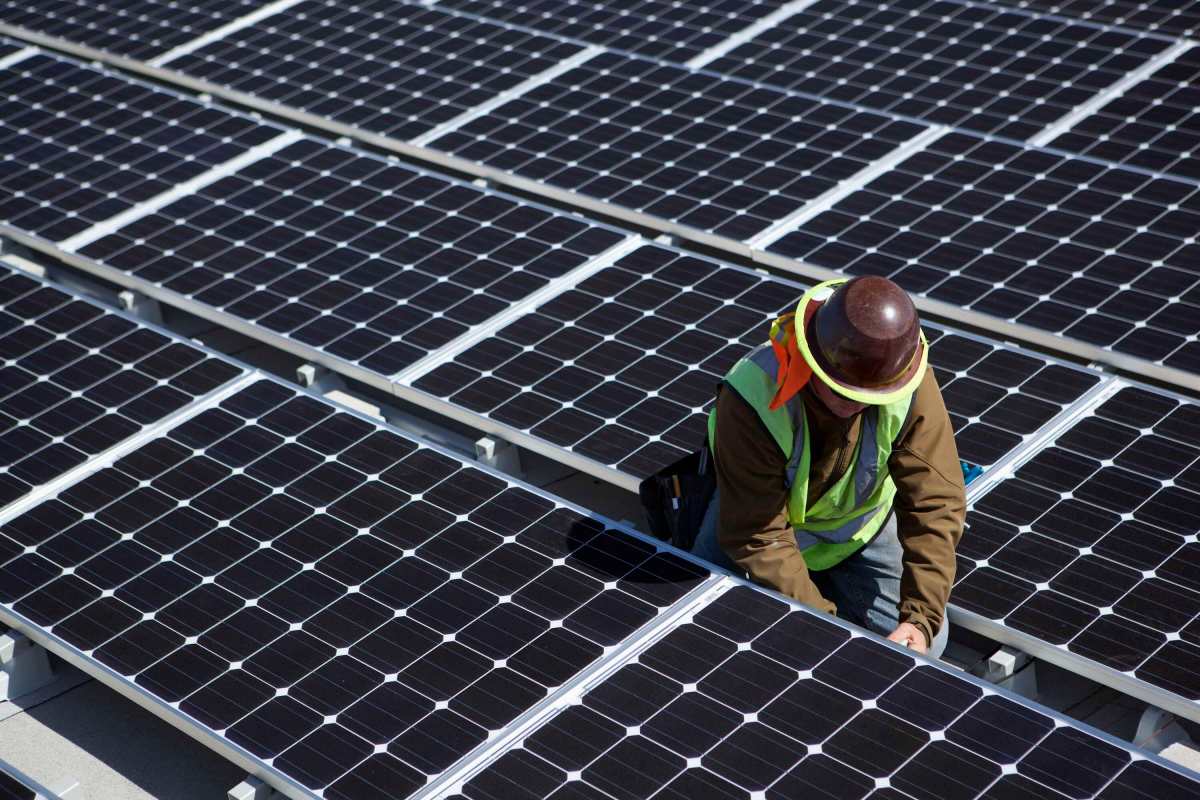
Meta, the leading social media and technology company, announced plans to expand its renewable energy capacity by adding 100 megawatts (MW) of solar power sourced from U.S.-based equipment. This addition will specifically support the operations of a new artificial intelligence (AI) data center situated in South Carolina.
Strategic Move Towards Sustainable AI Infrastructure
The new solar installation forms part of Meta’s broader strategy to power its AI infrastructure with clean energy. As AI workloads continue to grow exponentially, the company is prioritizing sustainable energy solutions to reduce the carbon footprint associated with massive data center operations.
Deploying 100MW of solar capacity not only aligns with global industry trends emphasizing greener data centers but also underlines Meta’s commitment to environmental responsibility in the rapidly evolving AI landscape.
Significance for AI Development and Operations
Data centers dedicated to AI tasks demand substantial power due to intensive computational requirements involving large language models (LLMs), multimodal AI systems, and complex neural network training processes. By integrating significant solar power capacity, Meta aims to ensure a more sustainable energy supply for these demanding AI workloads.
This initiative also reflects the growing awareness among tech giants about the environmental costs associated with AI development and deployment, encouraging increased adoption of renewable energy sources across the industry.
Meta’s Leadership in Renewable Energy within Tech Sector
Meta has been an active player in the renewable energy space, consistently investing in solar and wind projects to power its global data centers. The addition of this new tranche of solar power in South Carolina strengthens its green energy portfolio and supports its goal of achieving net-zero emissions for its operations.
The company’s efforts contribute to broader industry endeavors to balance technological innovation with sustainability, especially as AI capabilities expand and require more robust infrastructure.
Future Implications
As AI technologies continue to permeate various sectors, the energy demands for AI infrastructure will increase substantially. Meta’s recent move to integrate 100MW of solar power signals the importance of combining AI advancements with sustainable practices, potentially serving as a model for other tech companies aiming to minimize environmental impact while scaling AI operations.
Furthermore, this initiative may prompt additional investments in renewable energy solutions tailored for AI data centers, fostering innovation in both AI and green technology sectors.

Related Articles
 Tesla Aims for Widespread Deployment of Driverless Robotaxis by 2026, Elon Musk Confirms
 UK Launches £500 Million Sovereign AI Fund to Strengthen Domestic Computing Infrastructure
 Microsoft Reports Over 20 Million Paid Users Actively Engaging with Copilot AI
 Colin Angle Reflects on iRobot’s FTC Battle and the Abandoned Amazon Acquisition