Meta Boosts Renewable Energy for AI Infrastructure
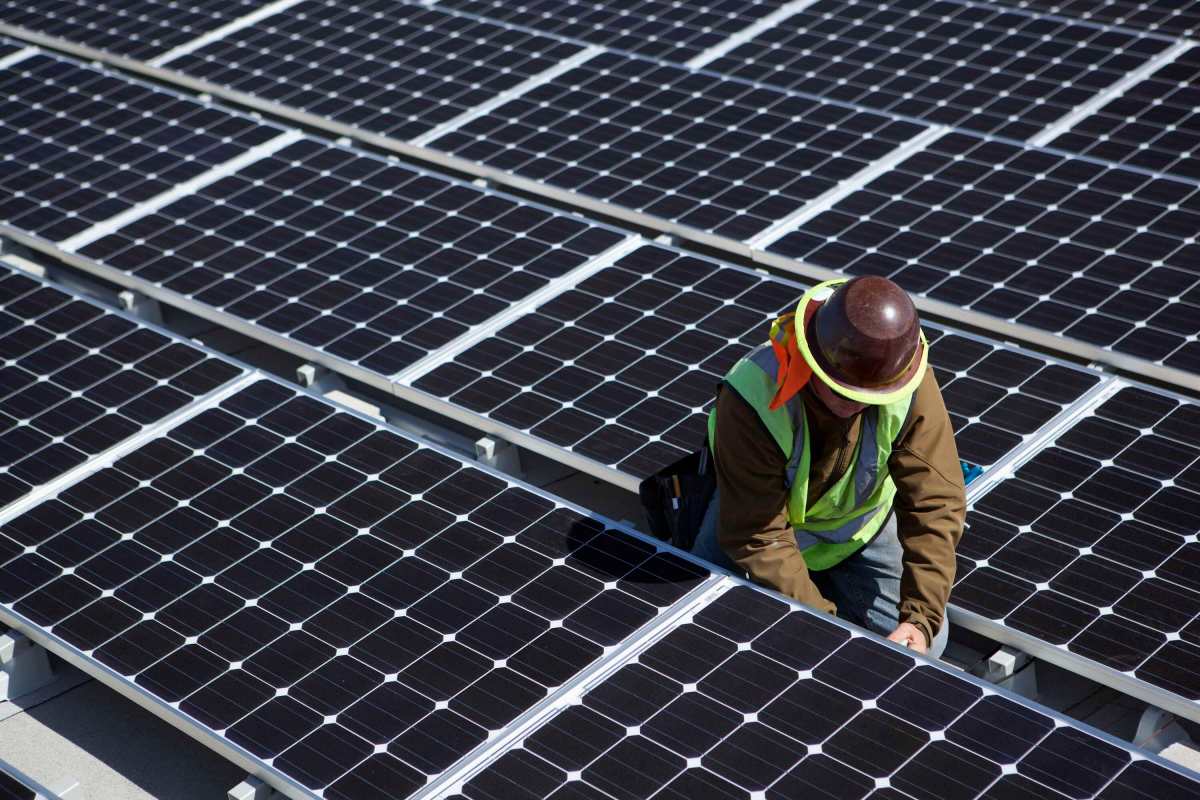
Meta, the social media giant, announced a significant expansion in its renewable energy capacity by incorporating an additional 100 megawatts (MW) of solar power. This move is aimed at powering a newly constructed AI data center located in South Carolina.
Supporting AI Growth with Sustainable Energy
As demand for artificial intelligence (AI) services escalates, energy consumption in data centers has surged globally. Meta’s investment reflects the company’s commitment to sustainable operations while scaling its AI capabilities. The new solar power tranche will directly support the intensive computational needs of AI workloads, including large language models and AI-driven applications.
Strategic Focus on Green AI Infrastructure
The South Carolina data center is part of Meta’s broader strategy to build energy-efficient facilities that leverage renewable sources. This initiative aligns with industry trends where technology leaders prioritize green energy to mitigate environmental impact and comply with evolving regulations.
By integrating solar energy, Meta aims to reduce carbon emissions associated with its AI infrastructure while maintaining high performance and reliability. This approach is increasingly critical as AI models require substantial GPU and computing power, which traditionally have significant energy footprints.
Broader Implications for AI and Sustainability
Meta’s solar investment highlights the intersection of AI innovation and environmental responsibility. As AI systems become more sophisticated and widespread, ensuring that their operational backbone is sustainable will be essential for long-term viability.
This project may also influence other industry players to follow suit, fostering a shift toward renewable-powered AI infrastructures. With regulatory pressures mounting on tech companies to demonstrate environmental stewardship, such investments are both strategic and necessary.
Looking Ahead
Meta’s decision to power its AI data center with 100MW of solar energy marks a substantial step forward in sustainable AI development. It underscores the importance of harmonizing technological advancement with environmental concerns, setting a precedent for the future of AI infrastructure worldwide.

Related Articles
 LEAP 5 Returns to Riyadh in April 2026 as a Global Hub for Technological Innovation
 Megacampus Summit Dubai 2026 Set to Host Global Leaders in Innovation and Entrepreneurship
 Nous Research Launches Open-Source AI Coding Model NousCoder-14B Amid Rising AI Programming Tools Competition
 OpenAI and Molecule.one Harness GPT-5.4 to Advance Medicinal Chemistry