# New Breakthrough in AI Safety: Artificial Neurons Mimicking Human Brain Cells
Artificial intelligence continues to evolve rapidly, with researchers exploring ways to make machines smarter, more efficient, and safer. A recent advancement from the University of Southern California (USC) could significantly change the landscape of AI by introducing artificial neurons that closely replicate the functions of human brain cells. This innovation not only enhances the potential for advanced machine learning but also raises important questions about AI safety and alignment.
## Understanding Artificial Neurons
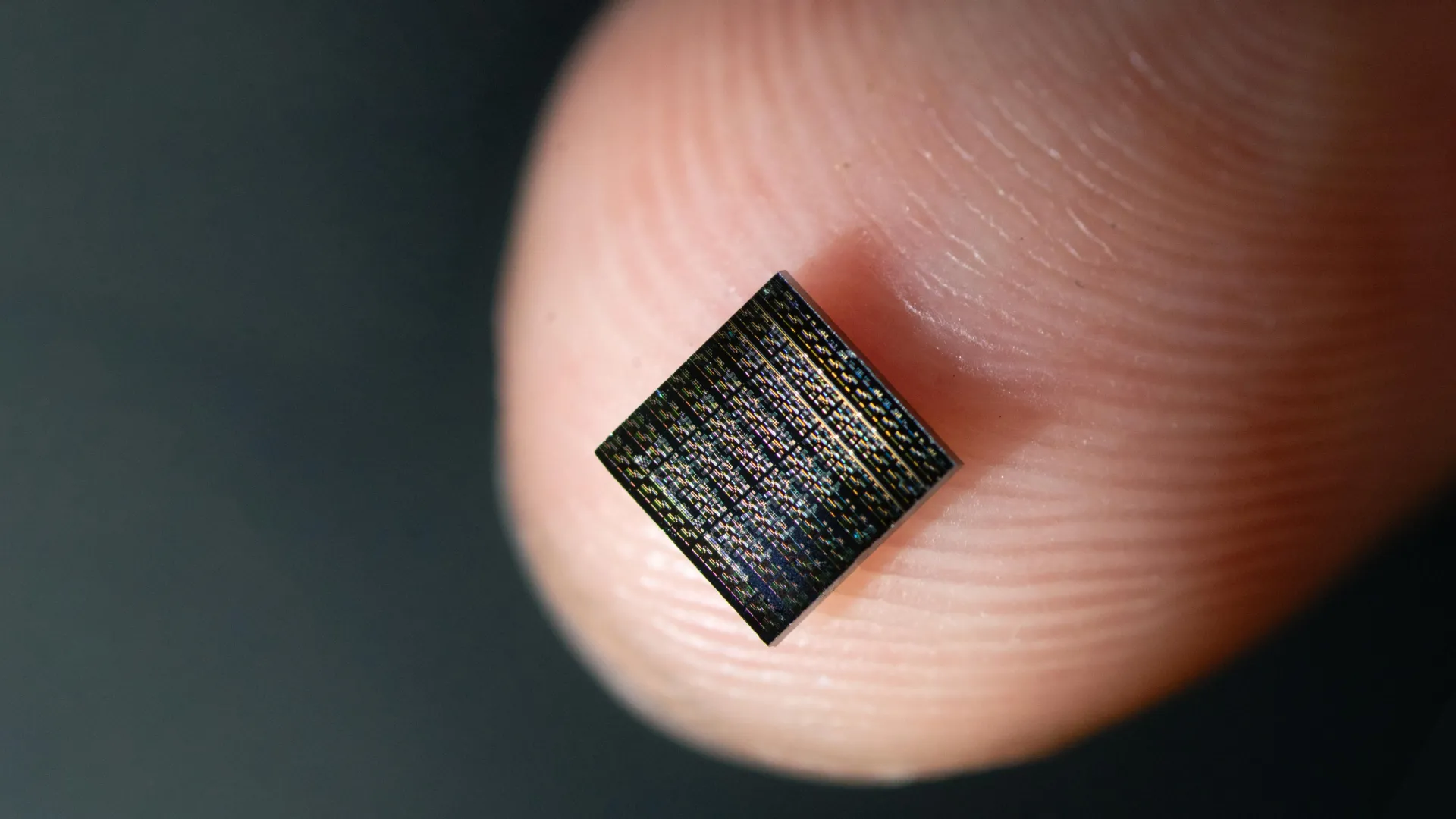
At the heart of USC’s breakthrough are ion-based diffusive memristors, devices designed to emulate the way biological neurons process and transmit information. Unlike traditional silicon-based chips, which rely on binary systems to perform calculations, these artificial neurons mimic the chemical signaling used by real neurons. This approach offers several key advantages:
– **Energy Efficiency**: By utilizing chemical processes similar to those in the brain, artificial neurons can operate with significantly lower energy consumption.
– **Size Reduction**: The compact nature of memristors allows for smaller devices, potentially enabling more complex networks of artificial neurons within a limited physical space.
– **Enhanced Learning**: These devices are designed to facilitate brain-like learning systems, paving the way for more adaptable AI models that can learn and evolve.
## Implications for AI Safety and Alignment
As AI systems become more sophisticated, the importance of ensuring that these technologies align with human values and safety standards grows. The introduction of brain-like learning systems presents both opportunities and challenges in this area.
### Opportunities for Better Alignment
1. **Natural Intelligence Simulation**: By mimicking human brain processes, artificial neurons may lead to AI that better understands and respects human ethics and decision-making frameworks.
2. **Adaptive Learning**: These systems could potentially learn from their environment in ways that are more aligned with human intuition and reasoning, thereby reducing the risk of unintended consequences.
3. **Improved Communication**: Enhanced AI systems may be capable of more nuanced interactions with humans, leading to better collaboration and reduced misunderstandings.
### Challenges to Address
1. **Complexity of Human Values**: As AI systems become more capable of independent learning, ensuring they adhere to complex human values and ethics will be a significant challenge.
2. **Unpredictable Behavior**: The very nature of adaptive learning means that these systems might develop behaviors that are difficult to predict or control, necessitating robust safety measures.
3. **Regulatory Frameworks**: The rise of brain-like AI might prompt calls for new regulations to ensure that such technologies are developed and deployed responsibly.
## The Path Ahead for AI Research
The USC team’s work represents just one step in a broader journey toward creating AI that behaves more like human intelligence. Researchers worldwide are investigating various methods and frameworks to enhance AI safety and alignment. The focus is shifting from purely technical advancements to incorporating ethical considerations and human-centric designs.
### Key Areas of Future Research
– **Interdisciplinary Collaboration**: Engaging experts from neuroscience, ethics, and AI to develop more holistic approaches to AI development.
– **Robust Testing Protocols**: Establishing rigorous testing environments to evaluate the behavior of advanced AI systems in various scenarios.
– **Public Engagement**: Involving the public in discussions about AI safety to understand societal concerns and expectations.
## Conclusion
The development of artificial neurons that replicate human brain functions marks a significant milestone in the quest for advanced and safe AI. While the potential benefits are enormous, so too are the responsibilities that come with creating systems capable of human-like learning. As researchers continue to explore the frontiers of AI technology, the imperative to prioritize safety and alignment with human values becomes increasingly critical. The ongoing dialogue within the research community and beyond will play a crucial role in shaping a future where AI can coexist harmoniously with humanity.
Based on reporting from www.sciencedaily.com.
Based on external reporting. Original source: www.sciencedaily.com.

Related Articles
 Google Expands Gemini’s Personalized Deep Research Feature to All Mobile Users
 Satya Nadella’s AI warning: one-model dependence is becoming a Microsoft Copilot strategy issue
 Stanford Report Reveals Narrowing US-China AI Gap Amid Rising Responsible AI Challenges
 OpenAI Reports Shift from AI Pilots to Deep Enterprise Integrations