Levi Strauss, a historic name in apparel with nearly 175 years of legacy, is embracing artificial intelligence (AI) and cloud computing to advance its direct-to-consumer (DTC) business model. By partnering with Microsoft, the company is modernizing how it interacts with customers and streamlining internal operations to increase efficiency and innovation.
AI Superagent Streamlines Employee Operations
A key element of Levi Strauss’ digital transformation is the creation of an AI-powered “superagent” integrated into Microsoft Teams. This Azure-native orchestrator agent serves as a centralized conversational interface for employees across corporate offices, retail stores, and warehouses.
Instead of juggling multiple applications, staff can now interact with this single AI portal, which intelligently routes queries to specialized subagents behind the scenes. This consolidation reduces training demands and simplifies workflows, promoting faster and more effective responses.
Driving a DTC-First Vision with AI
Jason Gowans, Chief Digital and Technology Officer at Levi Strauss & Co., highlights the strategic role of AI: “We’re rewiring Levi Strauss & Co to be a DTC-first, fan-obsessed retailer making every interaction faster, smarter, and more personal.” The AI initiatives fuel innovation, unlock employee creativity, and enhance productivity, all aimed at delivering connected and memorable customer experiences that foster loyalty.
On the development front, teams utilize tools like GitHub Copilot to automate quality engineering and release management tasks. Additionally, employees equipped with Microsoft Surface Copilot+ devices report notable improvements in speed and data handling, thanks to AI-assisted features that streamline information access.
Robust Cloud Infrastructure and Security as Foundations
Levi Strauss’ AI efforts rest on a strong cloud infrastructure foundation. The company has migrated its workloads from on-premises data centers to Microsoft Azure using Azure Migrate and GitHub Copilot, ensuring a consolidated and scalable environment to support advanced AI models.
Security is tightly integrated into this framework, with Azure AI Foundry and Semantic Kernel enabling intelligent automation for security agents and policy orchestration. This approach underpins a zero-trust security model, allowing Levi Strauss to expand AI capabilities globally while maintaining strict protection standards.
Device management is streamlined through Microsoft Intune, facilitating zero-touch onboarding and application deployment for new hardware endpoints.
Integrating AI Ecosystem to Transform Business
Levi Strauss exemplifies a comprehensive AI adoption strategy by combining AI agents, developer tools, and cutting-edge hardware on a unified cloud platform. This holistic approach contrasts with fragmented tool rollouts and ensures alignment with strategic objectives, such as the shift to a DTC business model.
Keith Mercier, Microsoft’s VP of Worldwide Retail and Consumer Goods Industry, remarks that Levi Strauss “exemplifies how iconic brands can reinvent themselves with cloud and AI technologies.” Other enterprises looking to modernize can draw valuable lessons from Levi Strauss’ integration of AI and cloud migration directly aligned with business goals.

Related Articles
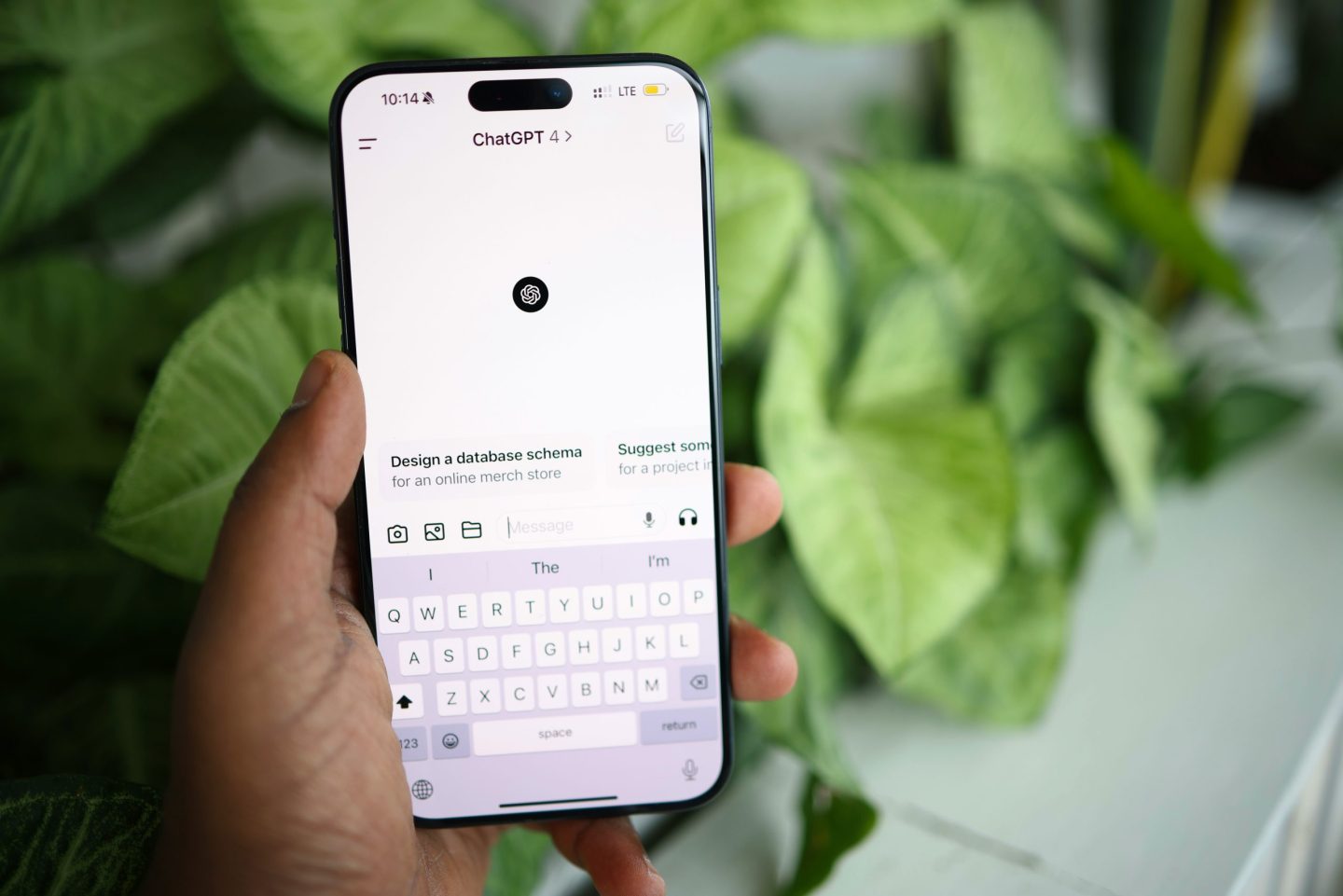 OpenAI Launches Group Chats in ChatGPT to Enhance Team Collaboration and AI Integration in Daily Planning
 OpenAI Enables Data Residency for Enterprise Clients in the UAE, Enhancing Compliance and Sovereignty
 JPMorgan doesn’t want to pay Frank founder Charlie Javice’s legal bills
 Claude AI Now Integrates with Apple Health to Enhance Personal Healthcare Insights