
What happened
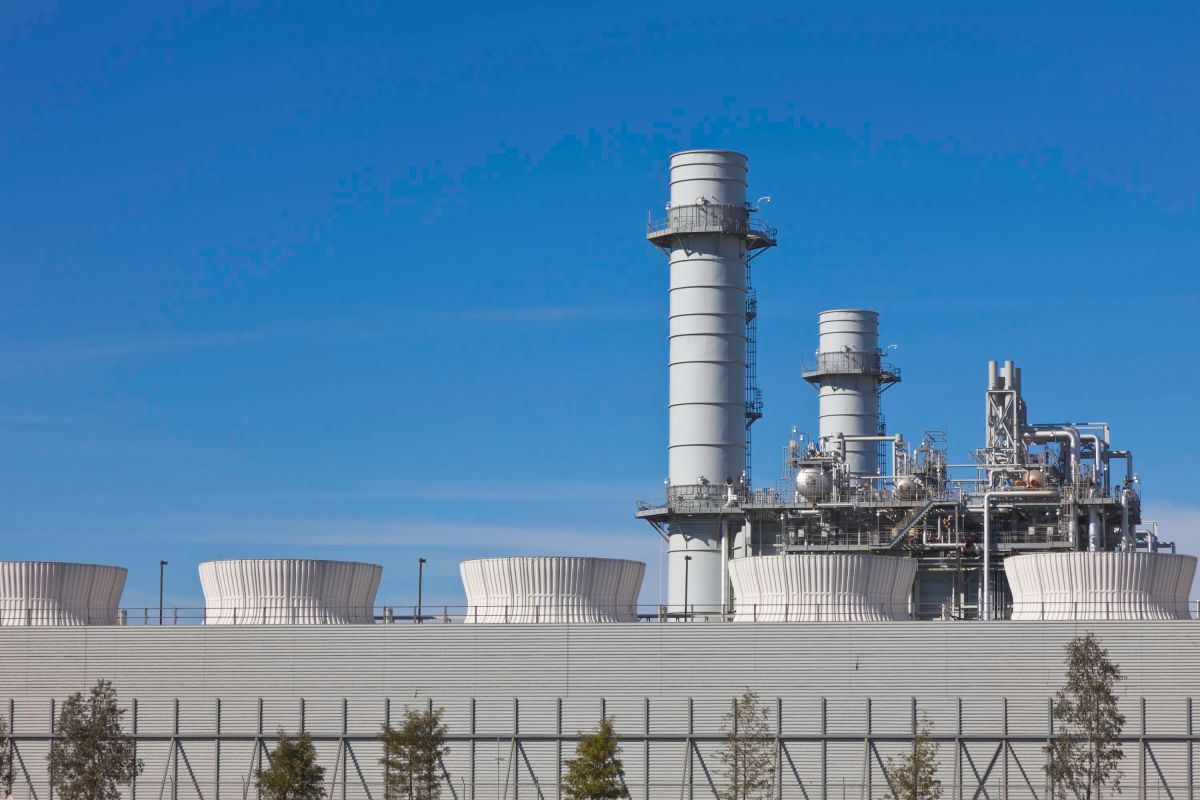
data center electricity demand is at the center of this update. The soaring electricity demand from AI data centers has caused a 66% increase in natural gas power plant costs over the past two years, alongside a 23% increase in construction times. This surge is driven by the need to power expansive AI workloads associated with models like OpenAI’s ChatGPT, Anthropic’s Claude, and other emerging AI platforms.
Why it matters
Reliable and affordable energy is foundational to AI infrastructure. The rising costs and delays in natural gas power plant projects signal a critical constraint in scaling AI services globally. This bottleneck could reshape the economics and timing of AI deployments, affecting major players competing in the AI race.
Context
AI models require intensive computation, mainly powered by GPUs from companies like Nvidia, which significantly increase electricity consumption at data centers. Natural gas remains a dominant energy source for such centers, but its price volatility and supply chain issues now challenge the pace of AI infrastructure expansion.
Expected impact
Higher costs and longer build times for natural gas plants may slow new data center rollouts, pressuring AI companies to reconsider energy strategies. This could drive investments in renewables or innovations in energy-efficient AI hardware, influencing competitive dynamics among AI firms.
What we still do not know
It is uncertain how AI companies will adjust to these challenges over the long term—whether through energy diversification, technological innovation, or cost pass-through to customers. The broader implications for AI training and deployment schedules remain to be seen.
Related coverage: AI Chronicle analysis and updates.
Sources consulted
- https://techcrunch.com/2026/04/27/data-center-demand-drives-66-surge-in-natural-gas-power-plant-costs/
- https://openai.com/news/
- https://www.anthropic.com/news

Related Articles
 New Study Reveals AI Struggles with Visual Tasks Easily Managed by Toddlers
 Overworld Launches Waypoint-1.5: AI-Generated 3D Worlds Now Accessible on Mac and Windows Consumer Hardware
 YouTube Unveils First-Ever Personalized Viewing Recap Powered by AI Insights
 Global App Downloads Decline in 2025 While Consumer Spending Hits Record $156 Billion



