What Happened
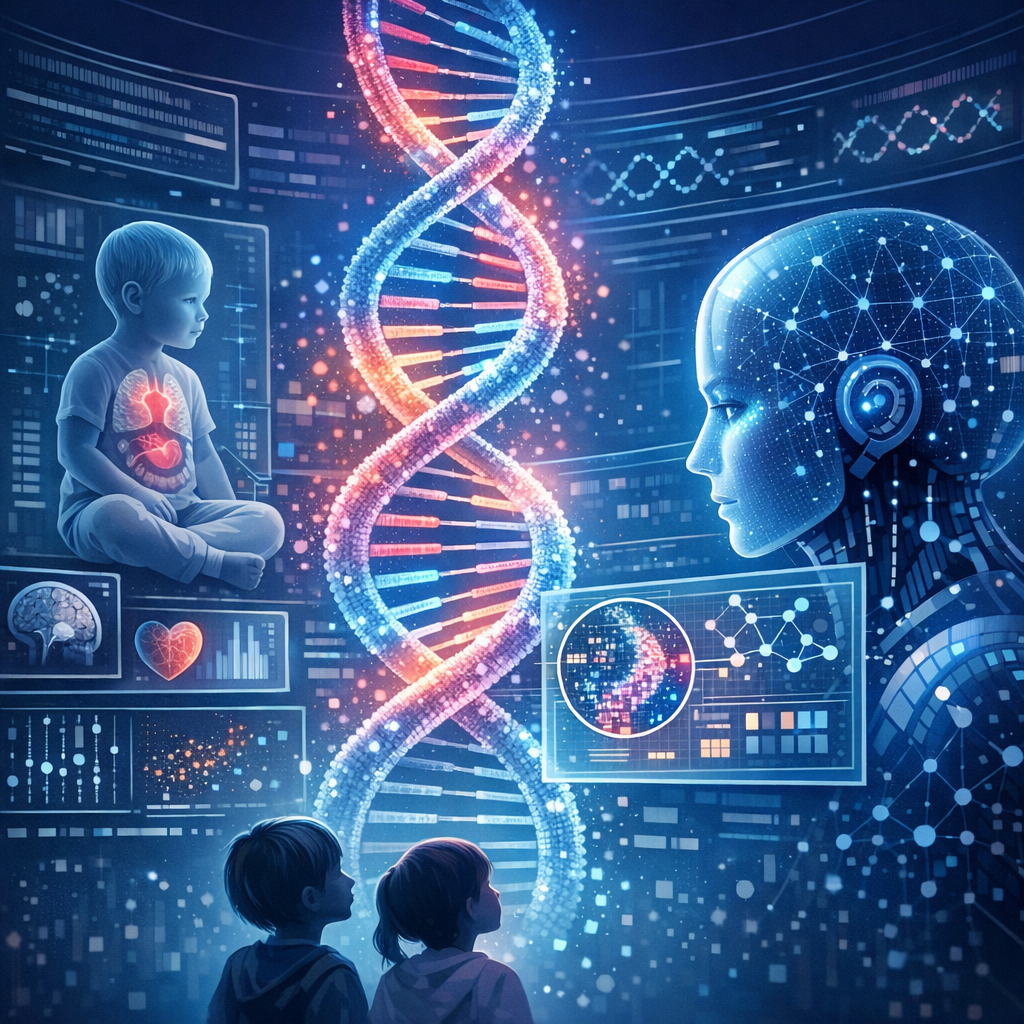
OpenAI reasoning rare disease diagnosis is at the center of this update. OpenAI researchers applied one of their advanced reasoning AI models to assist clinicians in diagnosing rare genetic diseases in children. This AI-assisted approach resulted in 18 new confirmed diagnoses in cases previously unsolved by conventional medical analysis.
Why It Matters
Rare genetic diseases pose significant diagnostic challenges due to their complexity and infrequency. OpenAI’s ability to augment physician expertise with AI reasoning potentially revolutionizes pediatric genetic diagnostics, offering faster and more accurate identification of conditions that were once difficult to diagnose. This development showcases OpenAI’s growing capabilities beyond language models like ChatGPT, signaling its expanding role in impactful healthcare AI solutions.
Context
OpenAI has built a reputation for leading in natural language processing with ChatGPT, but its ventures into AI reasoning mark a strategic diversification. The healthcare sector, particularly rare disease diagnosis, benefits from AI’s capacity to analyze vast genetic and clinical data efficiently. This initiative places OpenAI alongside other AI leaders such as Google DeepMind and Microsoft, who are also investing heavily in medical AI research and applications.
Expected Impact
The integration of AI reasoning into diagnostic workflows could reduce diagnosis times and improve healthcare outcomes for children with rare diseases. It may accelerate broader adoption of AI in healthcare, prompt competitive responses from other AI firms, and influence regulatory frameworks governing AI in medicine.
What We Still Do Not Know
Key details about the AI model’s inner workings, clinical integration, and long-term patient outcomes remain undisclosed. Further information is needed to understand scalability, validation rigor, and comparative performance against other AI diagnostic tools.
Related coverage: AI Chronicle analysis and updates.
Sources consulted
- https://openai.com/index/diagnose-rare-childhood-diseases
- https://openai.com/news/
- https://blog.google/technology/ai/

 TikTok Introduces Badges and New Features to Promote Digital Wellbeing
 GitHub Launches Repository with Over 50 Customizable Claude Skills to Boost AI Productivity
 Anthropic Poised for Major IPO, Setting Up Competition with OpenAI
 Converge Bio Secures $25 Million to Advance AI-Powered Drug Discovery