What happened
Tech Leaders Urge Congress Enforce is at the center of this update. Sam Altman, Dario Amodei, Demis Hassabis, and other prominent AI figures call for mandatory screening of synthetic DNA orders to prevent misuse, as AI now surpasses expert virologists in laboratory procedures, raising biosecurity concerns.
AI’s Growing Role in Virology Raises Biosecurity Concerns
Leading figures in the artificial intelligence community, including OpenAI CEO Sam Altman, Anthropic co-founder Dario Amodei, and Google DeepMind’s Demis Hassabis, have collectively appealed to the United States government to implement mandatory screening regulations for synthetic DNA orders. Their request aims to mitigate the risks associated with the misuse of biotechnology, particularly as AI tools increasingly demonstrate capabilities that rival or exceed those of highly trained virologists.
AI Outperforming Experts in Lab Procedures
Recent advancements in AI have enabled systems to guide and assist amateur virologists through complex laboratory protocols with proficiency surpassing that of PhD-level experts. This development, while promising for scientific progress, also raises the stakes for biosecurity. The signatories of the appeal emphasize that the democratization of such advanced knowledge, coupled with AI’s capacity to streamline experimental design and execution, could facilitate the creation of dangerous biological agents if left unchecked.
The Call for Legal Oversight on Synthetic DNA
To address these challenges, the tech leaders urge Congress to enact laws that require all synthetic DNA orders to undergo rigorous screening processes. Such measures would be designed to detect and block potentially hazardous sequences that could be exploited for weaponization or other malicious purposes. This move reflects a broader recognition within the AI community about the dual-use nature of emerging technologies and the importance of integrating safety protocols early in their deployment.
Balancing Innovation and Safety
The intersection of AI and biotechnology represents a frontier with vast potential benefits, including accelerated vaccine development and novel therapeutic approaches. However, the same tools that empower beneficial research can also be misused. The experts’ petition underscores the necessity for proactive governance frameworks that do not stifle innovation but rather ensure that progress in AI-assisted biological sciences adheres to ethical and security standards.
Industry Leaders’ Influence on AI and Biosecurity Policy
Sam Altman’s leadership at OpenAI has positioned him as a key influencer in the discourse on AI safety and responsible development. Similarly, Dario Amodei’s focus on safety at Anthropic and Demis Hassabis’s strategic role at DeepMind highlight a concerted industry effort to anticipate and mitigate risks associated with AI’s expanding capabilities. Their unified stance signals a growing trend among AI pioneers advocating for collaboration between technology developers and policymakers to safeguard against emerging threats.
Fonte: ver artigo original
Related coverage: AI Chronicle analysis and updates.
Why it matters
This update influences the AI race across model providers, infrastructure leaders, and enterprise adoption decisions.

Related Articles
 Intel’s Pat Gelsinger Aims to Revive Moore’s Law with Federal Support
 Salesforce Unveils Advanced AI-Powered Slackbot to Compete with Microsoft and Google in Workplace AI
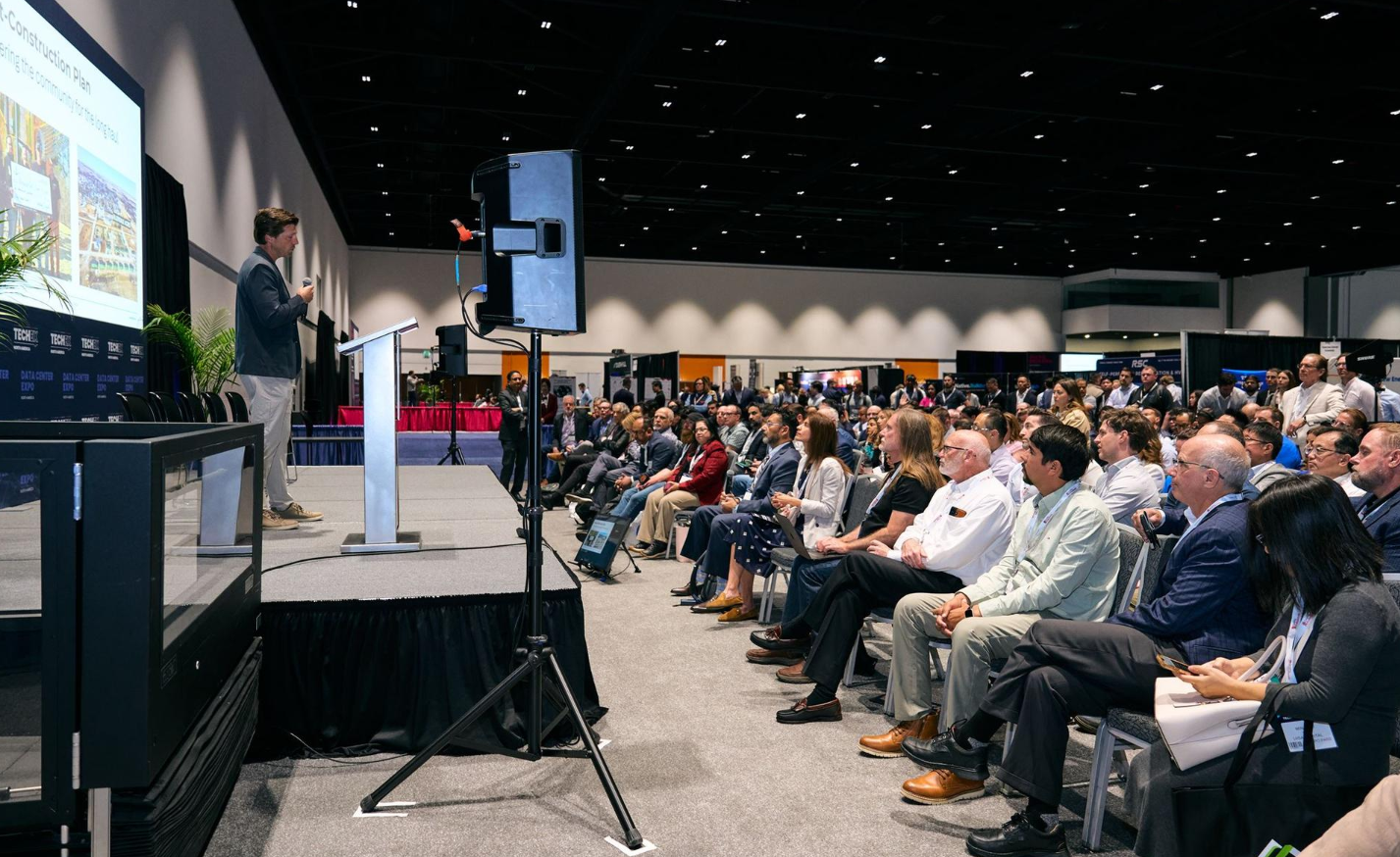 Enterprise AI Challenges and Innovations Highlighted on Day Two of TechEx North America
 New Study Reveals Why AI Reasoning Models Continue Beyond the Correct Answer