Microsoft’s AI Strategy: More Than Just Copilot
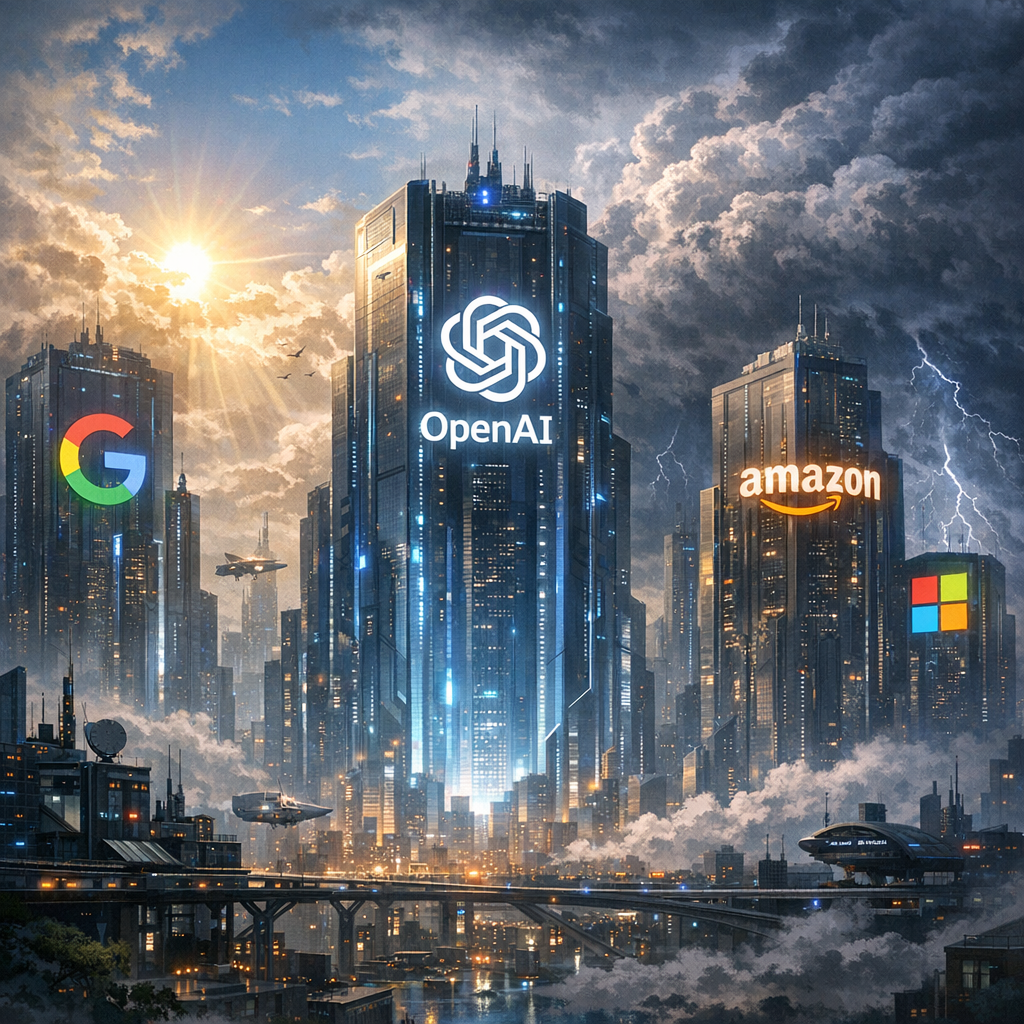
Why Microsoft Strategy Will Define is at the center of this update. It’s easy to overlook how deeply Microsoft is embedding AI into the fabric of modern work. With products like Copilot integrated into everyday software, Microsoft is not just offering tools — it’s reshaping workflows and, arguably, the very nature of knowledge work. But this isn’t simply about convenience; it’s a strategic move to become the indispensable AI infrastructure for enterprise, raising important questions about market control and innovation.
The Quiet Power Behind the AI Boom
While OpenAI’s ChatGPT grabs headlines, Microsoft’s role as a distributor and enabler of AI cannot be overstated. The company’s deep pockets, enterprise relationships, and cloud infrastructure give it a unique advantage in scaling AI across industries. This strategy positions Microsoft not only as a technology provider but as a gatekeeper shaping how AI tools influence productivity and decision-making.
Is Microsoft Becoming the New Operating System of AI Work?
Think about it: if Microsoft controls the AI embedded in the office tools billions depend on, it also controls the data, the user experience, and the competitive landscape. This concentration of power prompts a critical question — is the AI race turning into a battle for platform dominance rather than pure innovation?
Partnership with OpenAI: Symbiosis or Dependency?
Microsoft’s investment in OpenAI and their partnership is often hailed as a masterstroke. Yet, it also blurs lines between independent AI research and commercial interests. How much influence does Microsoft have over OpenAI’s direction? And what happens if priorities clash between profit-driven motives and broader AI safety concerns?
Trust, Transparency, and the Future of AI Governance
As AI tools become ingrained in the workplace, trust is no longer a luxury but a necessity. How transparent is Microsoft’s AI about data usage, biases, and limitations? Without robust governance frameworks, can enterprises and users truly rely on AI systems that might shape critical decisions?
What This Means for Competitors and Innovation
Microsoft’s AI strategy, while effective, raises alarms about market concentration. Smaller AI startups and open-source initiatives may struggle to compete, potentially stifling diversity and innovation. Is the AI ecosystem heading towards monopoly, and what are the implications for creativity and competition?
Conclusion: A Double-Edged Sword
Microsoft’s quiet dominance in AI for work is a game-changer, promising unprecedented productivity gains. Yet, it also demands scrutiny: Are we trading choice and innovation for convenience and centralized control? The future of AI in the workplace depends not only on technology but on how power and trust are managed.
Related coverage: AI Chronicle analysis and updates.
Sources consulted
- https://openai.com/news/
- https://blogs.microsoft.com/
- https://www.reuters.com/technology/artificial-intelligence/
Why it matters
This update influences the AI race across model providers, infrastructure leaders, and enterprise adoption decisions.

Related Articles
 Special Forces Soldier Arrested for Allegedly Profiting $400K Using Classified Information on Polymarket Bet
 SpaceX’s Upgraded Starship Faces Setback After Explosion During Testing
 Why AI Power Is Concentrating in the Hands of a Few Tech Giants and What It Means for Democracy
 Is AI Destroying Creative Professions? A Provocative Look at the Future of Human Creativity