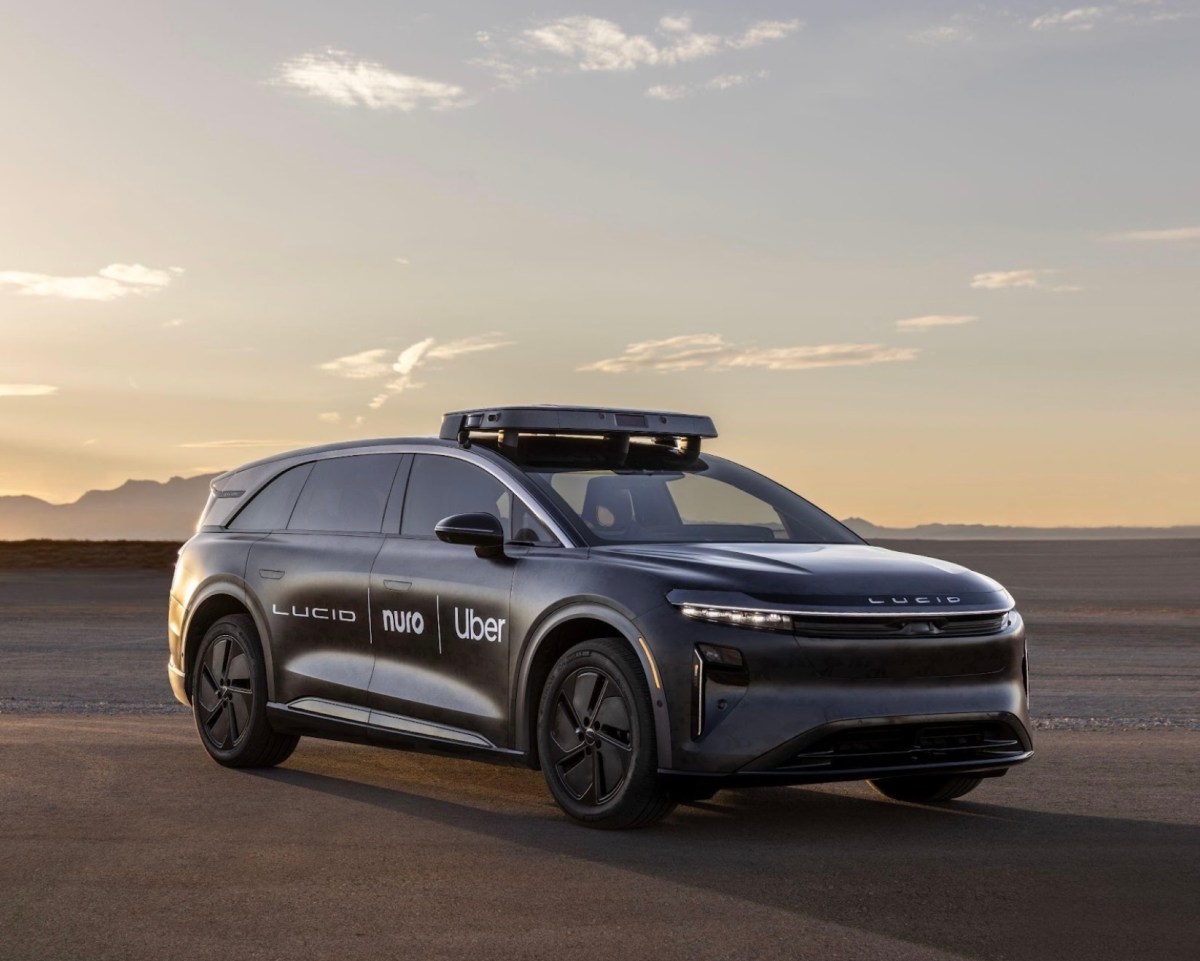
Nuro Advances Autonomous Vehicle Testing with New Driverless Permit
Nuro, a Silicon Valley-based autonomous vehicle (AV) company, has recently received regulatory approval to conduct driverless testing on public roads. This development comes as Uber prepares to introduce its highly anticipated robotaxi service, signaling a pivotal moment in the evolution of AI-powered transportation.
The Significance of Driverless Testing for Nuro
Although Nuro has not yet begun its driverless testing phase, the permit represents a major milestone. Testing without a safety driver onboard allows the company to collect critical data and refine its AI systems under real-world conditions, enhancing the reliability and safety of its autonomous technology.
As AI continues to transform everyday life, driverless vehicles like Nuro’s autonomous cars are expected to play a crucial role in reshaping urban mobility, promising improved efficiency and reduced human error on the roads.
Context: Uber’s Robotaxi Service and the AI Race
Uber’s upcoming robotaxi service is part of a broader push by tech companies to integrate artificial intelligence into transportation. By leveraging AI-powered autonomous vehicles, companies aim to cut operational costs, increase accessibility, and reduce traffic incidents caused by human drivers.
Nuro’s progress in securing a driverless testing permit highlights the competitive nature of the AI race between major players in Silicon Valley, including Uber, Google’s Waymo, and other startups focused on revolutionizing mobility through intelligent automation.
Implications for Jobs and Industry
The rise of AI-driven autonomous vehicles raises questions about the future of jobs traditionally associated with driving, such as taxi and delivery drivers. While some roles may be displaced, new opportunities are emerging in AI development, vehicle maintenance, and fleet management, indicating a shift rather than a simple reduction in employment.
Looking Ahead: What to Expect
As Nuro prepares to initiate driverless testing, stakeholders will closely monitor the outcomes to assess the readiness of AI systems for widespread deployment. Success in this arena could accelerate the adoption of autonomous vehicles, influencing urban planning, public transportation policies, and the broader integration of AI technologies in everyday life.
The development underscores the growing trust and reliance on AI innovations, even as discussions about AI safety, ethics, and regulatory frameworks continue to evolve.
Fonte: ver artigo original

Related Articles
 Anthropic Prohibits AI Tools in Interviews to Evaluate Genuine Candidate Thinking
 Glīd Triumphs at Startup Battlefield 2025 with Innovative AI-Driven Logistics Solutions
 OpenAI Proposes Federal Blueprint for Safe Governance of Frontier AI in the U.S.
 Korean AI Startup Motif Shares Four Key Lessons for Training Enterprise Large Language Models