Elon Musk Reflects on Early Investment in OpenAI Amid Legal Battle
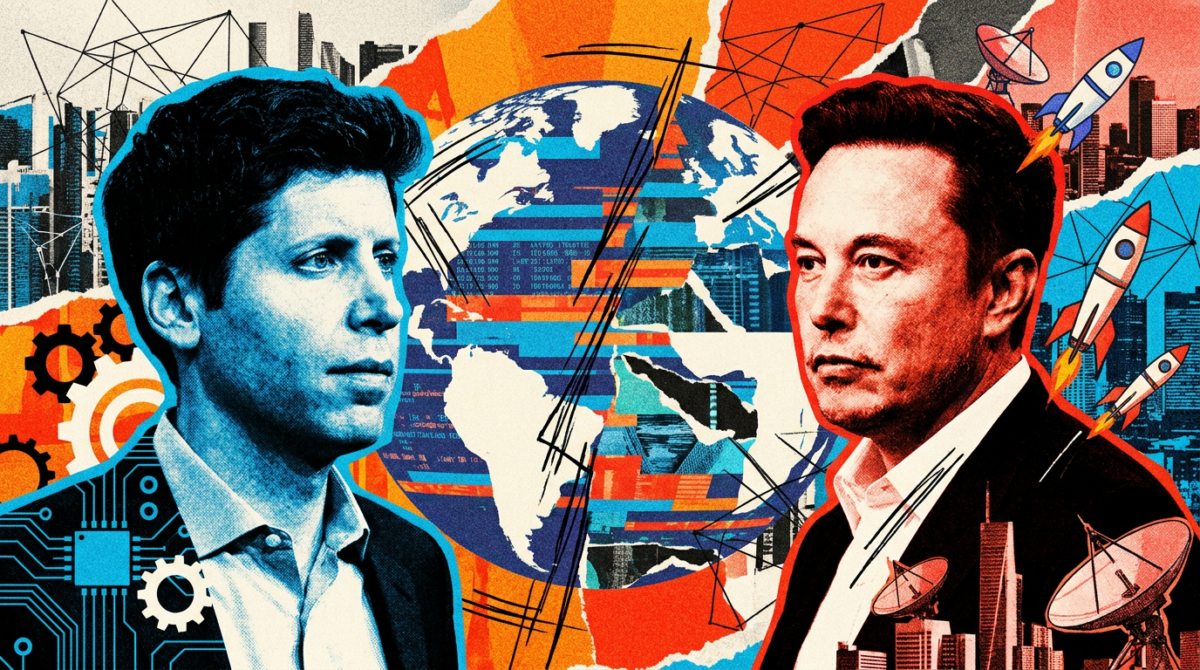
In a dramatic courtroom exchange, Elon Musk called himself a “fool” for investing $38 million in OpenAI, which has since grown into a company valued at approximately $800 billion. This candid admission came during the first week of Musk’s ongoing trial against Sam Altman, CEO of OpenAI, highlighting tensions within the AI industry.
Musk’s Concerns About AI’s Future
Beyond financial reflections, Musk expressed deep worries about the trajectory of artificial intelligence, warning of a potential “Terminator”-style future dominated by autonomous machines. His comments underscore longstanding anxieties among tech leaders about the risks associated with unchecked AI development.
xAI’s Use of OpenAI Models
During proceedings, Musk also acknowledged that his own AI startup, xAI, leverages OpenAI’s models for training its systems. This admission reveals the interconnected nature of AI research and development, where even competitors depend on shared technological foundations.
Context: The Growing Influence of OpenAI and Industry Rivalries
OpenAI’s rapid ascent has made it a central player in the AI revolution, influencing how businesses integrate AI tools to boost productivity and transform industries. Musk’s trial against Altman symbolizes broader power struggles and strategic positioning within the AI sector, as companies race to dominate emerging markets.
Elon Musk’s journey from investor to critic mirrors the complex dynamics shaping AI’s evolution. His reflections invite questions about the risks and rewards of early investments in disruptive technologies and the ethical considerations surrounding AI’s future.
Fonte: ver artigo original

Related Articles
 DeepMind CEO Demis Hassabis Highlights World Models as Future of AI Amid Market Bubble Concerns
 Alibaba Advances AI Chip Design Focused on AI Agents, Shaping the Future of Enterprise AI
 Claude Opus 4.5 Shows Improved Resistance to Prompt Injection Attacks but Still Vulnerable
 Physical AI Governance Challenges Intensify as Autonomous Systems Advance