AI Industry Adopts Innovative Housing Solutions for Workforce
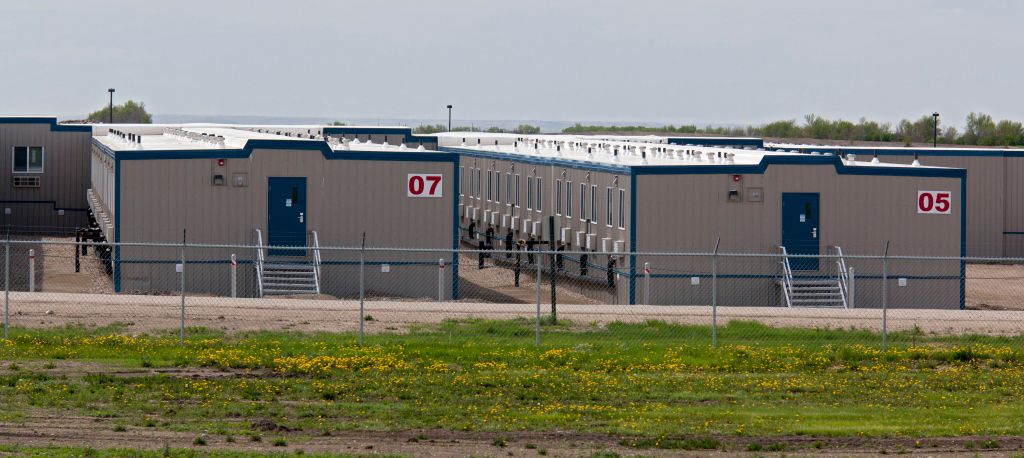
The rapid expansion of artificial intelligence technologies has led to a surge in the construction of data centers, facilities crucial for powering AI applications. To meet the staffing and operational challenges, developers are turning to a familiar yet unconventional solution: camp-style housing originally popularized for remote oil field workers.
From Oil Fields to AI Data Centers
These camps, designed to accommodate large groups of workers in isolated locations, offer a practical blueprint for AI data center staffing. The model allows companies to efficiently house employees near remote or newly developed data center sites, addressing the logistical challenges of attracting and retaining skilled labor in less accessible areas.
Such camps typically include dormitory-style living quarters, communal dining facilities, and recreational spaces, fostering a contained but functional living environment. This approach reduces commuting times and operational disruptions, which are critical factors for maintaining the continuous operation of AI infrastructure.
Implications for AI Workforce and Industry Growth
As AI continues to integrate into everyday life and business operations, the need for reliable and scalable infrastructure grows. The adoption of these worker camps highlights the industry’s focus on practical solutions to support this growth. It also reflects broader trends in how AI is reshaping workforce management and operational efficiency.
While this housing model provides clear benefits, it also raises questions about worker experience and long-term community impact. Industry observers note the importance of balancing operational efficiency with the well-being and satisfaction of employees housed in such facilities.
Looking Ahead
The use of remote worker camps for AI data center employees exemplifies the innovative strategies companies employ to keep pace with AI’s rapid development. As AI technologies evolve, so too will the infrastructure and workforce models that support them, potentially influencing other sectors facing similar staffing and logistical challenges.

 Meta Acquires 1 Gigawatt of Solar Power to Support AI-Driven Data Centers
 Backdoors Found in Multiple WordPress Plugins Impacting Thousands of Websites
 Microsoft Launches MAI-Image-2, a New AI-Powered Text-to-Image Generator
 Sparkli Aims to Revolutionize Safe and Interactive AI Access for Kids