2025: A Year of Transformational AI Developments
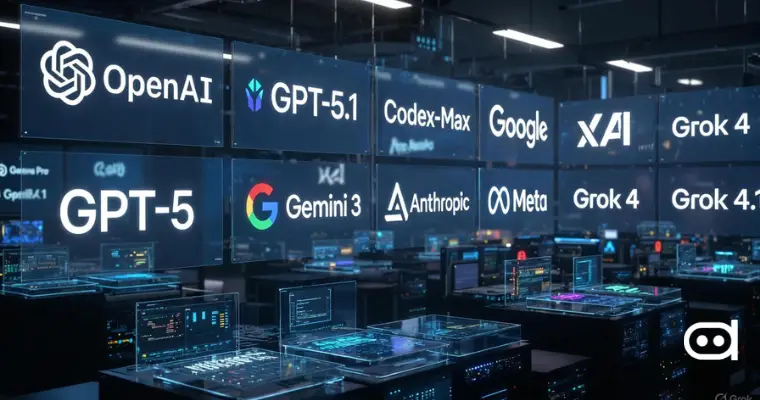
The year 2025 marked a critical turning point for artificial intelligence (AI), highlighted by rapid and substantial progress in AI model development. Leading AI research laboratories introduced new models that significantly extended capabilities in several key areas, including multimodal reasoning, advanced coding, autonomous agents, and real-time deployment.
Expanded Model Capabilities and Impact
Unlike previous years where improvements were incremental, the breakthroughs in 2025 brought AI models into a new league. These models featured a dramatic increase in context length, allowing them to process and understand much larger inputs. In addition, they showed enhanced reasoning depth, enabling more complex problem solving and decision making. Visual understanding also improved markedly, empowering AI systems to interpret and analyze images and videos with greater accuracy.
Another notable advancement was the enhanced control provided to developers, making it easier to customize and deploy AI applications tailored to specific needs. These innovations accelerated AI integration in enterprise environments, consumer products, and research workflows, raising expectations for how AI can transform everyday tasks and business processes.
Key Areas of Innovation
- Multimodal Reasoning: AI models in 2025 combined text, images, and other data types to deliver more comprehensive and context-aware responses.
- Advanced Coding: New AI systems supported sophisticated programming tasks, assisting developers with complex coding and debugging.
- Autonomous Agents: Models powered more capable autonomous agents that can operate with limited human intervention across various domains.
- Real-time Deployment: Faster and more efficient real-time AI deployments became feasible, enhancing responsiveness in applications such as customer service and interactive tools.
Implications for the AI Industry and Users
These advancements have reshaped how companies and individuals perceive AI’s potential. Enterprises are increasingly adopting AI to cut costs, boost productivity, and innovate products and services. For consumers, AI-powered applications are becoming more intuitive and useful, spanning areas such as virtual assistants, education, and healthcare. Research communities benefit from AI’s ability to process complex data sets and accelerate scientific discovery.
However, the swift pace of innovation also raises important questions about AI ethics, trust, and control. As AI models grow more complex and influential, stakeholders must address challenges related to bias, privacy, and the societal impact of automation.
Looking Ahead
The AI breakthroughs seen in 2025 set the stage for continued rapid progress in the coming years. Experts anticipate further enhancements in model intelligence, contextual understanding, and application versatility. This momentum suggests a future where AI will increasingly integrate into daily life, transforming industries and creating new opportunities while also necessitating thoughtful governance.
Fonte: ver artigo original

Related Articles
 NousCoder-14B: Open-Source AI Coding Model Challenges Industry Giants in Competitive Programming
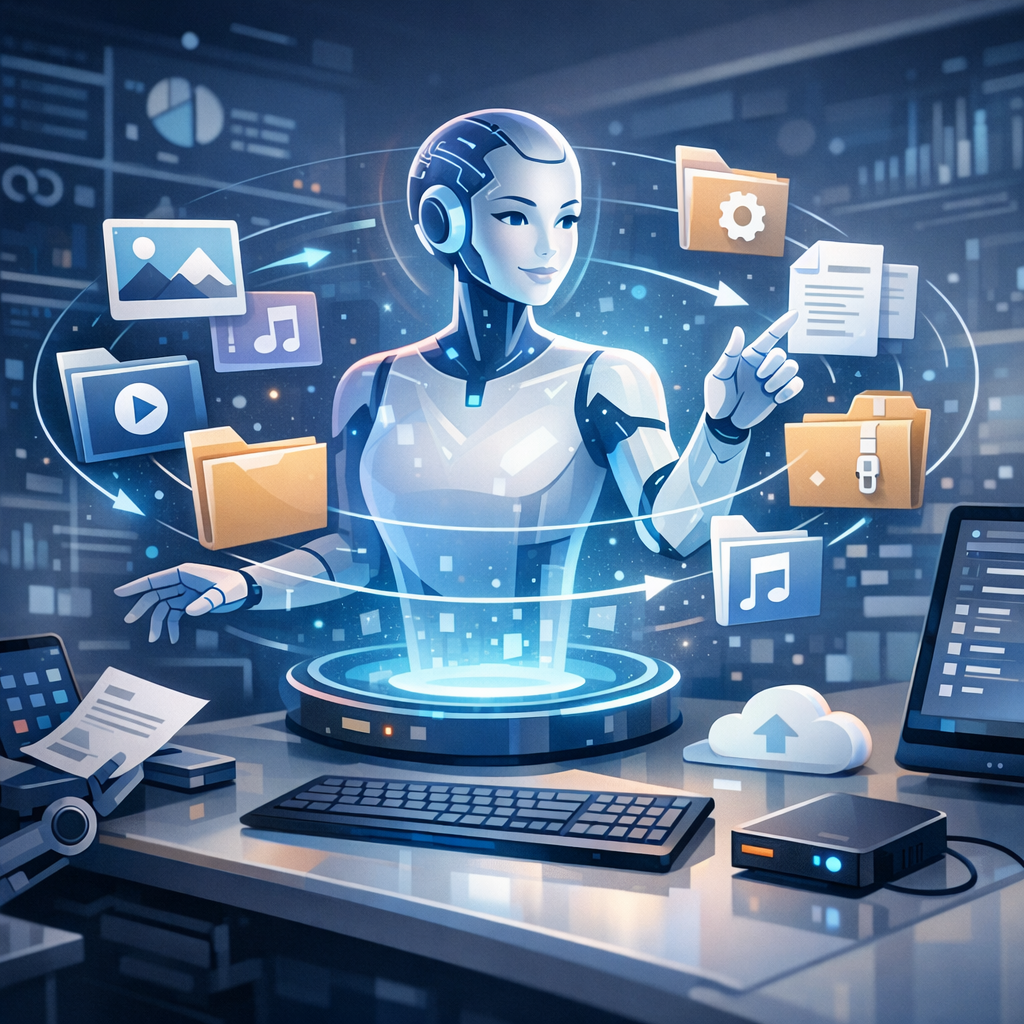 Anthropic Unveils Cowork: An AI Desktop Agent Revolutionizing File Management Without Coding
 Salesforce Unveils Agentforce Observability to Enhance Transparency and Trust in AI Agent Operations
 OpenAI to Retire Beloved GPT-4o Model from API Access by February 2026