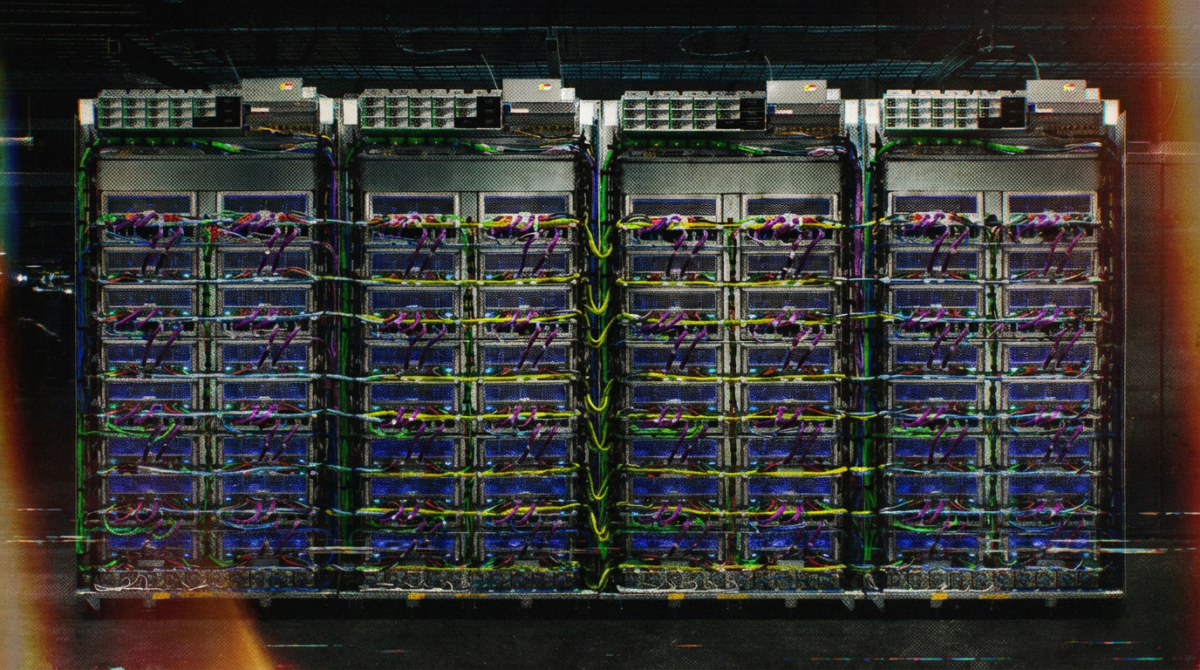
The Hidden Power of NVIDIA in the AI Era
Few realize that the future of artificial intelligence is being crafted not just by brilliant algorithms but by a handful of companies controlling the physical infrastructure—chief among them, NVIDIA. While the world debates AI ethics and regulation, NVIDIA’s monopoly over AI hardware quietly consolidates unprecedented power, dictating who can innovate and who gets left behind.
How Hardware Became the Bottleneck of AI Innovation
When we talk about AI breakthroughs, we think of software and talent. But AI chips are the unseen gatekeepers. NVIDIA’s dominance in producing specialized GPUs essential for training large AI models means startups and even established players must align with its roadmap or risk obsolescence. This concentration raises alarming questions: Is innovation truly free when hardware access is so restricted? Are we witnessing an innovation slowdown masked as progress?
Why Monopoly in AI Hardware Is Dangerous
- Barrier to entry: High costs and limited alternatives create steep hurdles for new AI ventures, concentrating innovation in a few hands.
- Market distortion: Control over supply chains and pricing can stifle competition and funnel profits disproportionately.
- Geopolitical leverage: The AI hardware monopoly translates to strategic influence over national AI capacities, shifting global power balances.
The Ethics and Governance Vacuum
While governments scramble to draft AI regulations, the real levers of control lie with companies like NVIDIA. Yet, they operate with minimal accountability, shaping AI’s trajectory mostly through business interests rather than societal good. This raises uncomfortable questions: Can effective AI governance exist when the regulators are outpaced by corporate powerhouses? Are we surrendering AI’s promise to market monopolies under the guise of innovation?
Is Open Source AI the Last Bastion?
Open source AI initiatives present a counterforce to closed, hardware-constrained innovation. But even these efforts struggle against the dominance of proprietary hardware platforms. Without democratized access to AI chips, open source risks becoming a noble ideal rather than a practical alternative. This technological gatekeeping threatens to deepen inequalities in AI development globally.
What Now?
We need to confront this uncomfortable truth: AI progress is no longer just a technical challenge but a political and economic one. Addressing NVIDIA’s monopoly—and by extension the concentration of AI hardware power—requires transparency, regulatory will, and perhaps new models of collaboration that prioritize open innovation and public interest over profit and geopolitical influence.
Ignoring this will not only stunt AI’s potential but also risk handing over the future of technology—and society—to a few powerful actors with their own agendas.

Related Articles
 Why US Students Prefer Essay Writing Services Over AI for Academic Work
 Waymo Secures Regulatory Approval for Full Autonomous Driving Across Bay Area and Southern California
 Nvidia Unveils Rubin: A Cutting-Edge AI Chip Architecture Revolutionizing Computing
 How Jensen Huang and NVIDIA Are Quietly Shaping the Future of Artificial Intelligence