The Unseen Power Behind AI: NVIDIA’s Monopoly
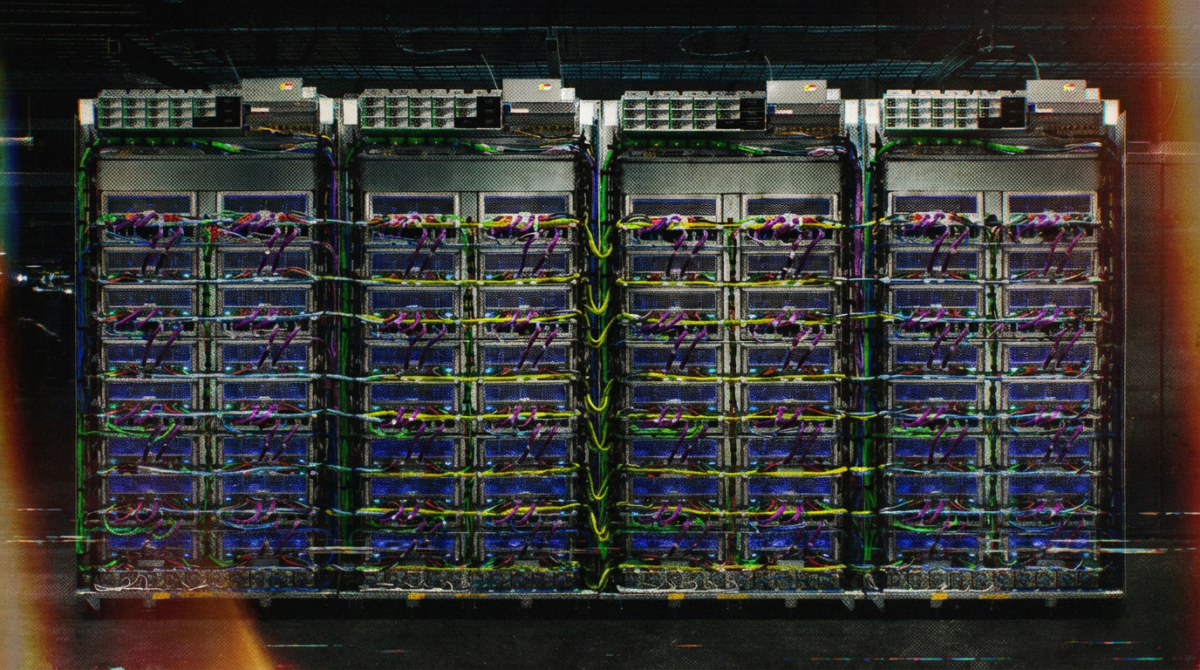
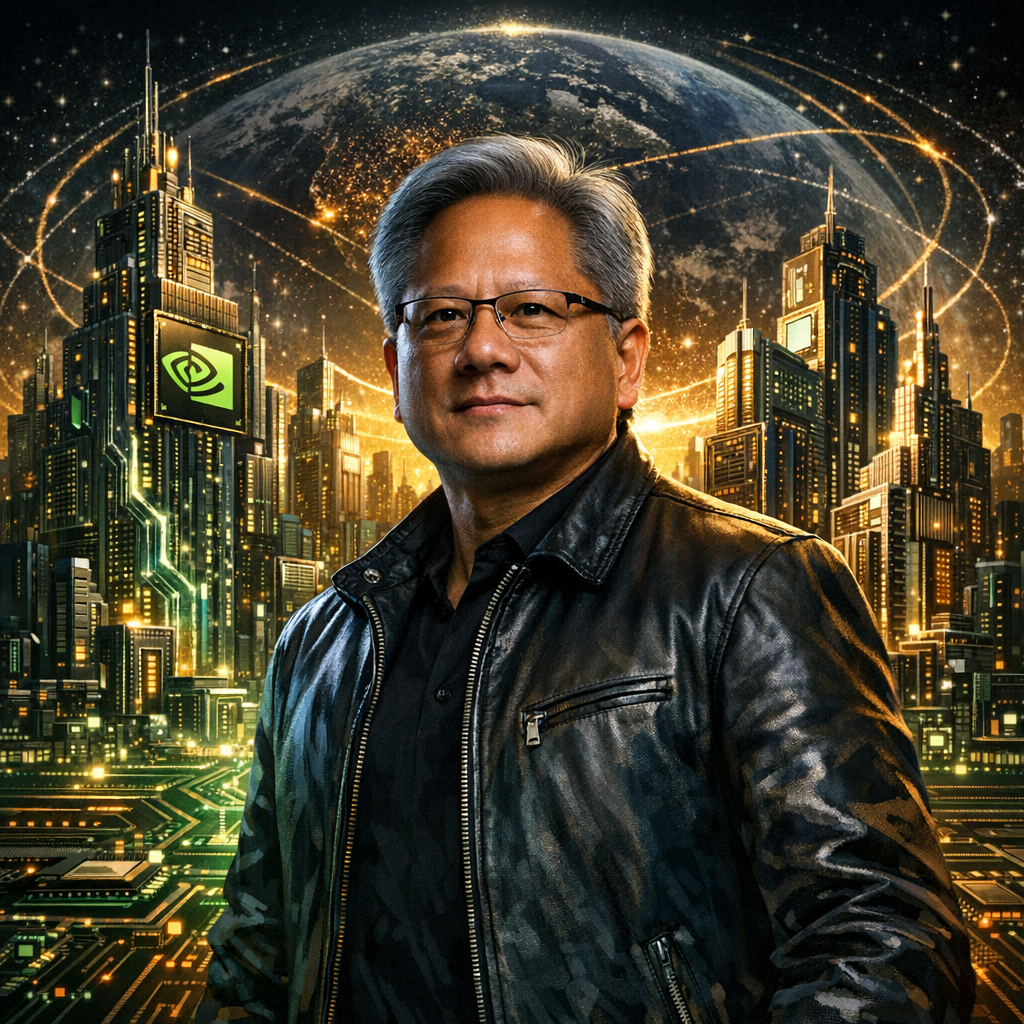
Everyone talks about breakthroughs in AI software and visionary CEOs, but the real power lies beneath the surface, embedded in the hardware. Jensen Huang, the CEO of NVIDIA, has quietly built a stranglehold on the AI industry through his company’s dominance in AI chips—components crucial for training and running sophisticated models.
Why Hardware Equals Control in AI
It’s tempting to think that AI innovation is solely about algorithms or datasets, but without the specialized hardware that NVIDIA produces, most state-of-the-art AI would come to a grinding halt. This control over AI chip supply means NVIDIA isn’t just a supplier; it’s a gatekeeper dictating who gets to participate in the AI race.
The Risks of Concentrated AI Power
- Innovation Slowdown: When one company controls critical technology, innovation risks stalling. Competitors and startups may struggle to access or afford crucial hardware, creating barriers that limit disruption and diversity in AI development.
- Ethical Blind Spots: NVIDIA’s business priorities rarely align with the broader ethical debates about AI safety, transparency, or societal impact. Profit motives could overshadow the need for responsible AI governance.
- Geopolitical Leverage: Governments know this power and may use NVIDIA’s position as leverage in tech policy and AI regulation, raising questions about global AI governance and fairness.
Is NVIDIA’s Monopoly Inevitable—or Dangerous?
Some argue that the scale and complexity required to produce cutting-edge AI chips make such monopolies unavoidable. Yet, this raises fundamental questions: Are we comfortable letting one company dictate the pace and direction of AI? What happens if this monopoly stifles competition or censors applications it dislikes?
Can Open Source and Alternative Hardware Break the Hold?
Open source AI advocates push for democratizing AI development, but without affordable and accessible hardware alternatives, their efforts face a steep uphill battle. The race to develop alternative AI chips and decentralized hardware platforms is crucial, but the question remains: can these challengers realistically disrupt NVIDIA’s dominance?
Conclusion: The AI Future Is Hardware-Defined
While public debates often orbit around software advances or ethical AI algorithms, the real story is hardware control. Understanding NVIDIA’s dominant role is critical to grasping the AI industry’s future. Without challenging this monopoly, we risk handing over not only technological leadership but also societal influence to a single corporation and its CEO.
It’s time to stop idolizing the CEOs who make flashy announcements and start questioning the quiet monopolies that wield true power in AI.

Related Articles
 Royal Navy Deploys AI Avatar ‘Atlas’ to Streamline Submarine Recruitment
 xAI Launches Grok 4.1 Fast API Amidst Controversy Over AI’s Excessive Praise of Elon Musk
 Why AI Is Quietly Destroying Creative Professions and What We’re Ignoring
 Is AI Destroying Creative Professions? A Provocative Look at the Future of Human Creativity