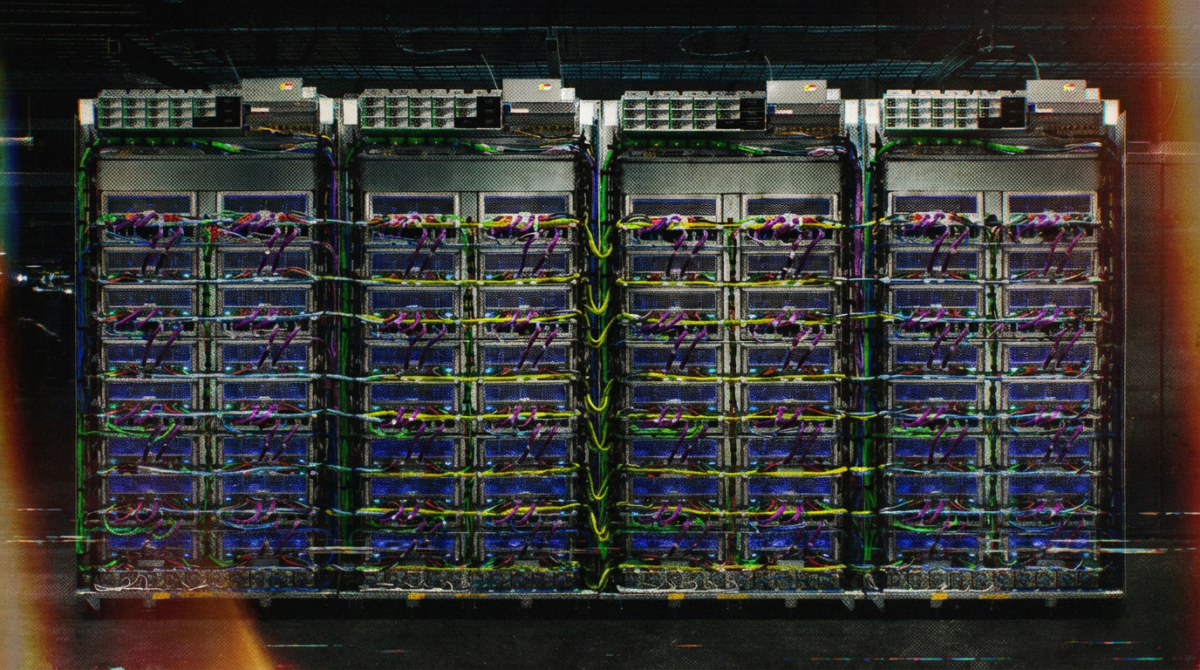
The Hidden Power Player in AI
Everyone talks about OpenAI, Elon Musk, or the promise of artificial general intelligence, but few focus on the underappreciated titan behind the scenes: Jensen Huang, CEO of NVIDIA. While startups and research labs battle over algorithms and data, Huang commands the most critical resource powering AI—advanced chips. Without his hardware, the AI dream stalls. Is this concentration of influence a natural evolution or a dangerous monopoly threatening innovation?
Why Hardware Is the Real Game Changer in AI
Algorithm breakthroughs grab headlines, yet it’s the GPUs—graphical processing units—and specialized accelerators that enable these algorithms to train and perform at scale. Huang’s NVIDIA dominates this market almost unchecked, controlling supply chains and pricing. The AI revolution depends on this hardware, making NVIDIA’s role far more strategic than most acknowledge.
The Monopoly Question: Innovation or Stifling Control?
Does NVIDIA’s dominance spark innovation or choke it? Critics argue that such centralized control narrows access for smaller players, leading to a homogenized, less diverse AI ecosystem. Startups without deep pockets may find themselves shut out, while proprietary hardware could lock in certain architectures, stifling creative experimentation.
Global AI Power Plays and Geopolitical Implications
In a world where AI equates to national power, the geopolitical ramifications are profound. The U.S. government’s reliance on NVIDIA’s chips for defense and research solidifies Huang’s influence beyond Silicon Valley. Meanwhile, competitors and governments worldwide scramble to develop alternatives, igniting a hardware arms race that parallels software innovation battles.
Is Ethical AI Possible When Hardware Controls the Levers?
Ethical debates often focus on data privacy or algorithmic bias, but what about the ethics of hardware gatekeeping? When one company decides who gets access to the computational muscle behind AI, questions arise about accountability, transparency, and fairness. Can meaningful AI governance succeed if key infrastructure remains in private hands?
Looking Ahead: What Does NVIDIA’s Power Mean for AI’s Future?
- Will NVIDIA foster an open ecosystem, or tighten control to protect its market position?
- Can alternative hardware technologies challenge the status quo and democratize access?
- How will the AI industry address the imbalance of power skewed towards hardware providers?
- Does this hardware dependency risk creating bottlenecks in AI progress and ethical oversight?
In my view, the industry’s obsession with software innovation blinds us to the hardware monopoly quietly scripting AI’s fate. To truly understand AI’s trajectory, we must confront the uncomfortable question: who really holds the keys to the future?

Related Articles
 Unlock Scalable and Cost-Effective Video Creation with Synthesia’s AI-Powered Avatars
 Google Advances AI Image Generation with Launch of Nano Banana Pro Model
 Robots Set New Records at Beijing Half-Marathon, Surpassing Human Performance
 How AI CEOs Are Quietly Rewriting the Rules of Global Power and Society