Microsoft Boosts Indonesia’s AI Capabilities with Expanded Cloud Infrastructure
Indonesia is intensifying its efforts toward AI-driven economic growth as more organizations seek to develop custom applications, modernize legacy systems, and enhance data governance. In support of this momentum, Microsoft has broadened the suite of cloud and AI services available within its Indonesia Central cloud region, which launched six months ago. This expansion enables enterprises, public institutions, and developers to run AI workloads domestically rather than relying on overseas data centers, fostering data sovereignty and reducing latency.
Key Announcements at the Cloud & AI Innovation Summit
The update was unveiled during the Cloud & AI Innovation Summit held in Jakarta, attended by industry leaders and government officials discussing Indonesia’s AI future. Mike Chan, head of Azure AI Apps & Agents in Asia, and Dharma Simorangkir, President Director of Microsoft Indonesia, emphasized that local AI capabilities must be actively harnessed by organizations to realize meaningful innovation.
Dharma highlighted that the new services “open the door for every organisation to innovate in Indonesia, for Indonesia,” urging various sectors to build tailored solutions addressing national priorities.
From Adoption to AI-Driven Innovation
Many Indonesian companies are transitioning beyond pilot AI projects, now designing solutions that address specific operational challenges. Microsoft refers to these entities as Frontier Firms—businesses integrating AI as a fundamental element of their workflows rather than an ancillary tool.
To empower these firms, the Indonesia Central region offers an expanded portfolio of Azure services, including platforms for developing data-connected applications, managing structured data, and AI-optimized virtual machines capable of training and executing complex models. These high-performance computing resources allow organizations to maintain data residency while managing sophisticated AI workloads.
Additionally, the region now supports Microsoft 365 Copilot, embedding AI functionalities into everyday productivity applications, and GitHub Copilot, which accelerates software development through AI-assisted code suggestions. This integrated technology stack is designed to help businesses move from experimental phases to scalable, cost-effective AI deployments.
Emerging Local AI Use Cases
Since its launch in May 2025, the Indonesia Central cloud region has seen rising demand from sectors such as mining, travel, and digital services. Companies like Petrosea and Vale Indonesia leverage the local infrastructure to modernize their systems and comply with stricter data governance regulations.
In the digital domain, tiket.com developed an AI travel assistant powered by Azure OpenAI Service, enabling customers to interact naturally with the platform for flight updates and service additions post-booking. Irvan Bastian Arief, Vice President of Technology GRAND, Data & AI at tiket.com, stated, “Our advancements in artificial intelligence are designed to deliver the best possible experience for our customers,” underscoring AI’s role in simplifying travel planning and enhancing customer support efficiency.
Consolidating Data for Scalable AI Adoption
A prominent theme at the summit was the importance of organizing data before scaling AI implementations. To address this, Microsoft introduced Microsoft Fabric to the Indonesian market — a unified environment combining data engineering, integration, warehousing, analytics, and business intelligence.
Fabric includes Copilot-powered features that assist teams in preparing data and generating insights without juggling multiple tools. By centralizing scattered data sources across internal systems and cloud providers, organizations can improve governance, accelerate reporting, and optimize costs, all without building a data foundation from scratch.
Building AI Skills for Practical Impact
Microsoft also showcased its AI training initiative, Microsoft Elevate, now in its second year. Having reached over 1.2 million learners, the program aims to certify 500,000 individuals in AI competencies by 2026. The next phase focuses on hands-on application, encouraging participants to deploy AI in real-world scenarios rather than learning theory alone.
The training targets diverse groups, including educators, nonprofit workers, community leaders, and digital skills seekers, leveraging tools such as Microsoft Copilot, Learning Accelerator, and Minecraft Education. Dharma highlighted that cloud and AI technologies “are the backbone of national competitiveness,” emphasizing that infrastructure effectiveness depends on workforce readiness.
Long-Term Commitment to Indonesia’s AI Ecosystem
Microsoft’s initiatives form part of a broader $1.7 billion investment pledge for Indonesia spanning 2024 to 2028, comprising infrastructure expansion, partner support, and talent development. The company will also host GitHub Universe Jakarta in December 2025, aiming to foster collaboration among developers, startups, and researchers.
Indonesia aspires to become a regional hub for secure and inclusive AI innovation. With enhanced cloud infrastructure, new AI tools, and focused workforce training, the country is laying the groundwork for sustained digital transformation. The coming years will reveal how these efforts translate from experimental projects to established AI-driven growth.
Photo credit: Simon Ray
Related: Microsoft, NVIDIA, and Anthropic forge AI compute alliance

Related Articles
 Apple Faces Supply Constraints as AI-Driven Demand Boosts Mac Sales
 Anthropic Expands AI Infrastructure with First Data Center Team Outside the U.S.
 India’s Arya.ag Defies Global Crop Price Decline by Attracting Investors and Maintaining Profitability
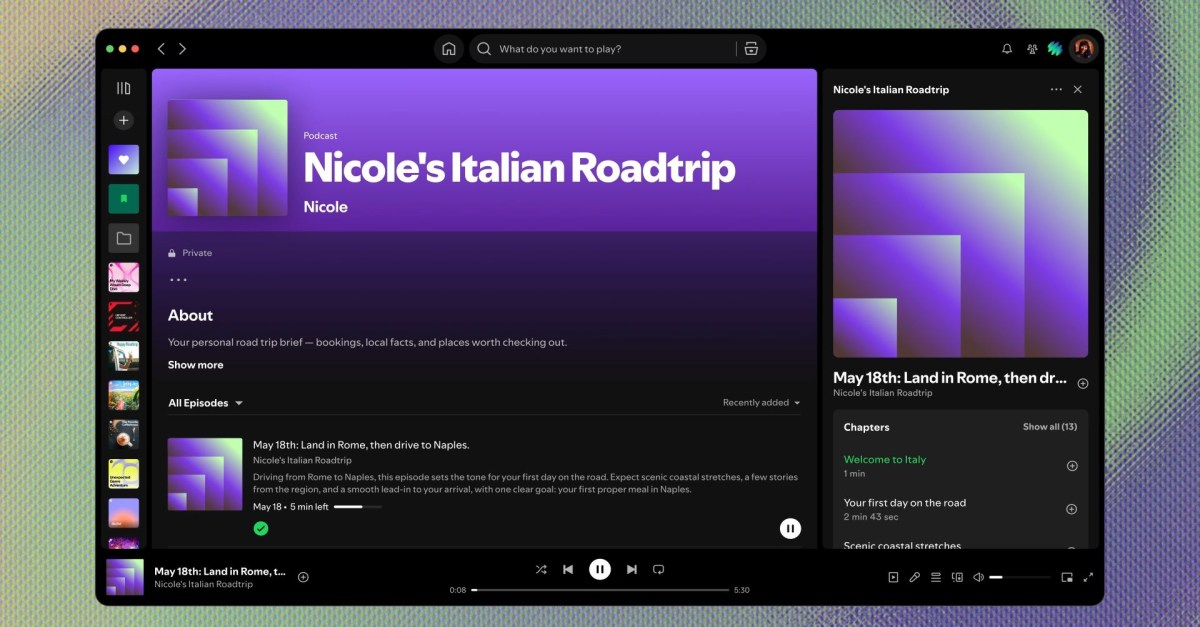 Spotify Launches Studio AI App to Create Personalized Daily Podcasts and Playlists