OpenAI ChatGPT 2026 is at the center of this update. OpenAI and ChatGPT are not the subject of Nvidia’s new Open Secure AI Alliance, but they are part of the tension it exposes. The alliance’s pitch is simple: in AI security, defenders need systems they can inspect, adapt, and run on their own infrastructure. That is a direct challenge to the idea that the most powerful AI products should live mainly behind closed doors.
For OpenAI, that matters because ChatGPT helped define the modern AI assistant market. For Anthropic, it matters because Claude has been building a reputation around safety and enterprise trust. The new alliance does not settle that rivalry, but it shows where the next phase of competition is heading: from model demos to the security stack underneath them.
OpenAI’s closed-product advantage meets the open-security argument
The source frames open source as a defensive asset, especially in cybersecurity. It argues that open models, harnesses, and tooling let defenders test systems, examine logs, customize controls, and avoid single points of failure. That is a different thesis from the one that powers many flagship AI assistants: deliver capability through a tightly managed product and let the provider handle the complexity.
That closed-product model has helped ChatGPT become the category’s best-known consumer brand. But the alliance’s logic suggests a possible limit: enterprises and governments may increasingly want AI they can verify and control, not just access through an API.
Claude’s safety pitch and ChatGPT’s scale story are converging on the same customer
Anthropic’s Claude has often been positioned as a safer, more enterprise-friendly alternative in the assistant race. OpenAI, by contrast, has leaned into breadth, speed, and product reach around ChatGPT. The alliance’s message narrows the gap between those strategies by making security infrastructure itself part of the competitive field.
That does not mean one model “wins” because it is open or closed. It means buyers may split their usage: closed frontier systems for some tasks, open and controllable systems for security-sensitive workflows. In that world, the winner is not just the best chatbot. It is the company that fits into the most workflows.
Why the alliance matters for developers, not just policymakers
The source is explicit that the debate is not only about model weights. It says real AI safety depends on the full agent stack: identity, permissions, harnesses, guardrails, logs, and evaluation. That is important for developers because it shifts the conversation from abstract safety claims to practical deployment choices.
If open tools become the default way to build and audit agentic systems, developers may gain more flexibility than they get from a purely closed platform. If closed systems remain easier to use and more capable, the market may continue to favor ChatGPT-style products for mainstream adoption. The tension is not ideological; it is operational.
What to watch as the AI race moves into infrastructure
The key question is whether the Open Secure AI Alliance turns into a standards-setting body or remains a coalition of good intentions. Watch for which partners contribute real tooling, whether enterprises adopt those tools at scale, and whether OpenAI or Anthropic respond with stronger security and controllability features.
Also watch the policy angle. The source argues against blanket restrictions on open frontier AI systems, warning that they could concentrate power in a few closed providers. That makes the alliance part of a larger fight over who gets to define “safe AI”: the companies shipping the biggest models, or the ecosystem building the defenses around them.
Editorial analysis, not investment advice.
Sources consulted
Nvidia’s Open Secure AI Alliance announcement; OpenSSF and Linux Foundation materials referenced in the announcement; Hugging Face security incident referenced in the announcement.
Related coverage: AI Chronicle analysis and updates.
Sources and further reading

Related Articles
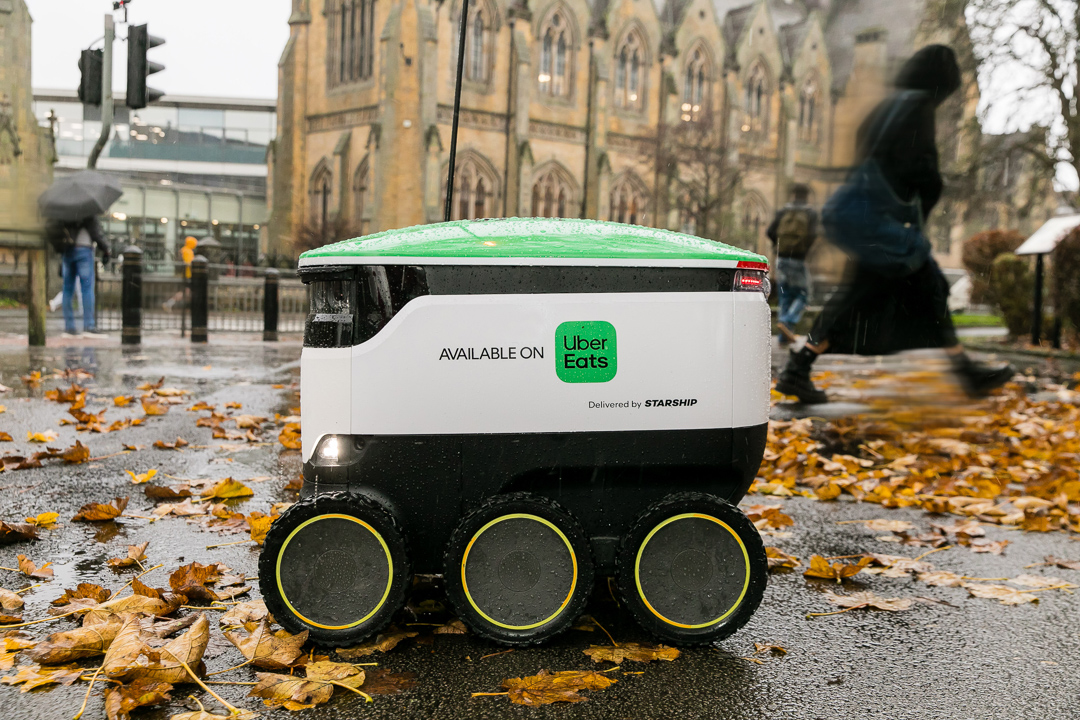 Uber Eats Partners with Starship to Deploy Sidewalk Robots for Food Delivery in the UK
 Physicists reveal a new quantum state where electrons run wild
 Anthropic Makes Bold Entry into Biotech with $400 Million Acquisition of Coefficient Bio
 Bosch Commits €2.9 Billion to AI to Transform Manufacturing and Supply Chains