OpenAI ChatGPT rivalry 9762 is at the center of this update. Editorial analysis note: This article is based on a sponsored MIT Technology Review Insights report and does not constitute investment advice.
OpenAI and ChatGPT still define the public face of generative AI, but the real contest with Anthropic and Claude is moving somewhere less glamorous: inside the machinery of how companies actually work. That shift matters because the AI race is no longer only about who can wow users first. It is also about who can survive contact with messy processes, compliance rules, and the daily grind of enterprise operations.
OpenAI’s ChatGPT scale versus Claude’s process-first pitch
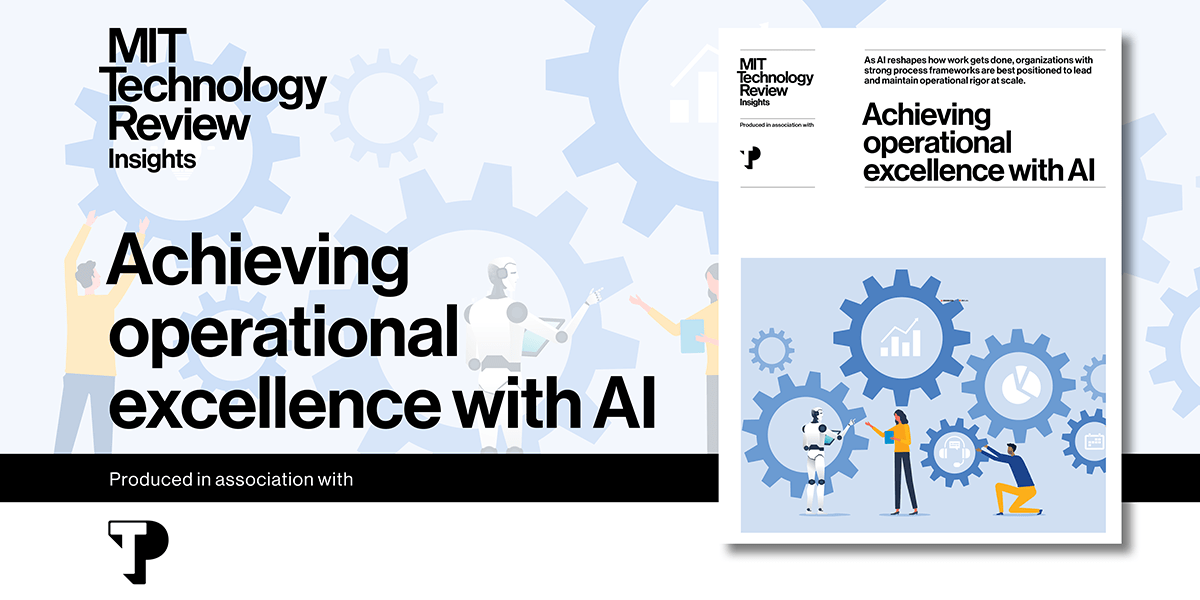
The source behind this brief argues that AI creates the most value when it is embedded into established process-improvement systems such as Lean Six Sigma and business process management. That is a useful lens for understanding the rivalry between OpenAI and Anthropic. ChatGPT has become the most recognizable consumer AI product in the market, while Claude has often been framed as a more deliberate, enterprise-friendly alternative.
The difference is not just branding. It points to two competing ideas about how AI gets adopted. One side wins attention through scale and familiarity. The other wins trust by fitting into workflows that already depend on measurement, accountability, and repeatable outcomes.
Sam Altman’s public AI narrative meets the enterprise reality
Sam Altman has helped turn OpenAI into the symbol of the AI era, and ChatGPT remains central to that story. But the source’s core argument cuts against the idea that model popularity alone decides the outcome. If companies need AI to improve operations, then the platform that matters most is the one that can be governed, integrated, and measured.
That creates a tougher test for OpenAI. ChatGPT may be the default starting point for many users, but enterprise buyers are asking a different question: can this system improve a process, or is it just another interface? Anthropic’s Claude benefits from that question because its positioning has leaned toward reliability and enterprise use cases rather than mass-market spectacle.
Why process discipline could matter more than model hype
The source cites estimates that the market for AI-powered process optimization could exceed $113 billion within the next decade, and that 88% of business leaders expect to increase investment in AI-infused process intelligence within 12 to 18 months. Those figures are reported claims from the source, not independently verified by AI Chronicle in this brief, but they point to a broader market truth: buyers are spending on systems, not slogans.
That is where the rivalry gets interesting. OpenAI’s advantage is reach. Anthropic’s advantage may be fit. If the next phase of AI adoption is less about novelty and more about operational excellence, then the companies that help customers reduce friction, improve quality, and enforce discipline may outperform the ones that merely dominate the conversation.
What this rivalry could change for developers and users
For developers, the implication is that model choice will increasingly be shaped by workflow integration, governance tools, and the ability to plug into existing business systems. For users, it may mean AI assistants become less like chat windows and more like invisible infrastructure inside the apps they already use.
That would be a meaningful change for OpenAI and ChatGPT. It would also validate Anthropic’s bet that Claude can win by being the more enterprise-ready option. In other words, the rivalry is not just about which company has the smartest model. It is about which company can make AI feel indispensable inside the operating core of work.
What remains uncertain in the OpenAI-Anthropic contest
The source is a sponsored report, so it should be read as strategic framing rather than a hard market map. It does not provide enough detail to settle how much enterprise traction either OpenAI or Anthropic has gained, or which product stack is better suited to process-heavy deployments. It also does not resolve whether the next wave of adoption will favor consumer familiarity or enterprise discipline.
But it does clarify the stakes. The AI race is shifting from who gets the biggest headline to who becomes the most useful layer in real organizations. That is a harder competition, and probably the one that will decide more of the market than people expect.
Related coverage: AI Chronicle analysis and updates.
Sources and further reading
- http://Source%20excerpt%20and%20embedded%20report%20link%20provided%20in%20the%20brief
- https://openai.com/news/
- https://www.anthropic.com/news

Related Articles
 Physicists reveal a new quantum state where electrons run wild
 Meta Secures 1 GW of Solar Power to Fuel AI Data Centers and Reduce Carbon Emissions
 Meta’s Tent-Built Data Centers Show How Far the AI Infrastructure Race Has Escalated
 OpenAI Announces Upcoming Enhanced Version of Its Olympic Math Gold Model