What happened
Microsoft Unveils Project Solara Android is at the center of this update. At Build 2026, Microsoft introduced Project Solara, a new operating system tailored for AI agent-powered gadgets. Unlike traditional Windows platforms, Solara is built on Android and aims to create seamless agent-driven user experiences through innovative device concepts.
Microsoft Launches Project Solara for AI-Powered Devices
During its Build 2026 conference, Microsoft revealed Project Solara, a fresh operating system designed specifically for devices running AI agents. This marks a strategic shift as the platform is built on Android rather than the company’s traditional Windows ecosystem. Microsoft describes Solara as “a new platform built from the ground up to power agent-driven experiences,” emphasizing its focus on artificial intelligence integration.
Concept Devices Highlight Agent-Driven Capabilities
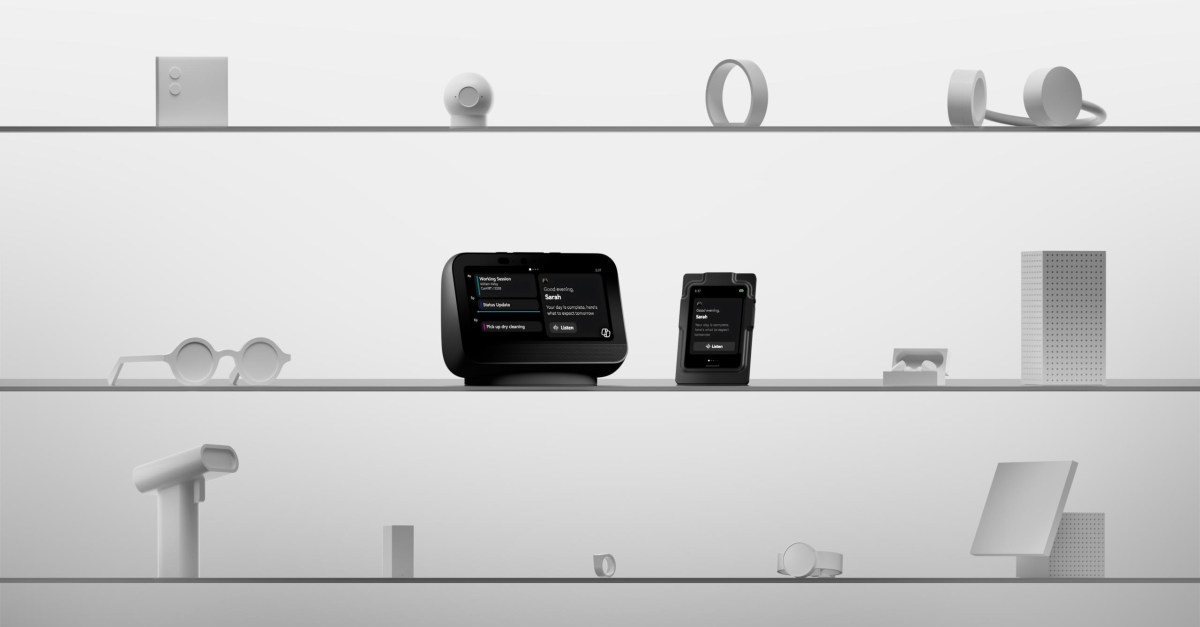
To showcase Project Solara’s potential, Microsoft presented two conceptual devices: the Desk concept and the Badge concept. The desk device resembles an Amazon Echo Show, featuring facial recognition to unlock and granting users access to various AI agents designed to assist in daily tasks. This form factor highlights a hands-free, interactive experience centered on AI.
The badge concept is a wearable device akin to an access badge commonly used in workplaces. Equipped with a camera and fingerprint scanner, this wearable can activate AI agents, potentially streamlining workplace access and enhancing security through biometric verification combined with AI assistance. The badge concept illustrates Microsoft’s vision for AI agents embedded in wearable technology.
Implications for Microsoft’s AI and Device Strategy
Project Solara represents Microsoft’s ambition to expand its AI ecosystem beyond software into dedicated hardware platforms optimized for AI agents. By choosing Android as the foundation, Microsoft leverages an extensive ecosystem that supports flexibility and diverse hardware integration. This approach also signals an acknowledgment of the growing importance of AI-driven experiences in consumer and enterprise devices.
As Microsoft continues to deepen its AI investments, including its collaboration with OpenAI and integration of AI in products like Copilot, Project Solara could become a critical component in delivering AI services ubiquitously through new device categories.
Looking Ahead
While Project Solara is currently in the concept phase, the demonstration at Build 2026 offers a glimpse into a future where AI agents are seamlessly integrated into everyday gadgets. This aligns with broader industry trends focusing on the AI agent economy and the evolution of personal and professional assistants powered by advanced machine learning models.
Microsoft’s move to create an AI-centric operating system signals intensified competition in the AI device space, where companies like Google, Amazon, and emerging startups are also exploring AI-focused platforms and wearables.
Fonte: ver artigo original
Related coverage: AI Chronicle analysis and updates.
Why it matters
This update influences the AI race across model providers, infrastructure leaders, and enterprise adoption decisions.

 OpenAI Researcher Praises GPT-5 for Its Exceptional Mathematical Capabilities
 Meta Unveils Plans for Advanced AI Models ‘Mango’ and ‘Avocado’ Targeted for 2026
 AI in 2026: Transition from Experimental Models to Autonomous Systems
 Nvidia H200 Chip Deal with China Stalls Despite Trump-Xi Summit Approval