What happened
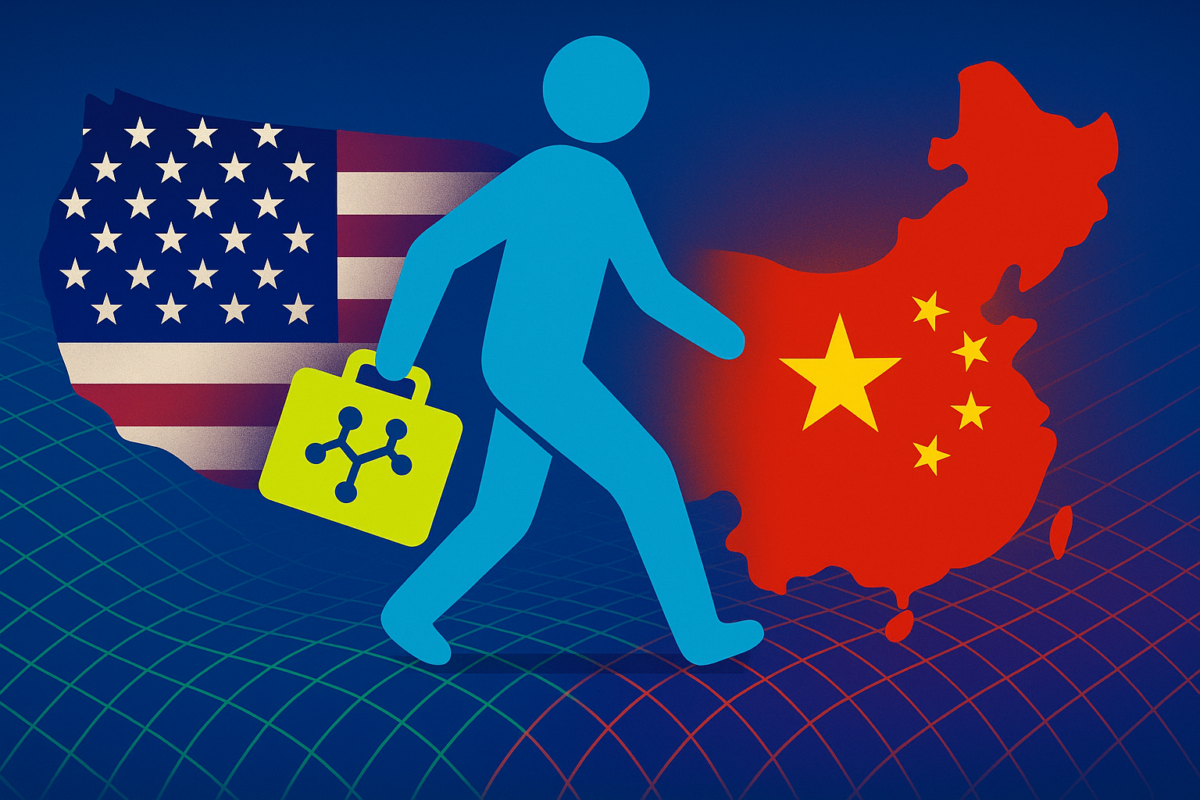
China Imposes Travel Restrictions Leading is at the center of this update. China has introduced new regulations requiring top artificial intelligence researchers at major private firms to obtain government approval before traveling abroad, aiming to safeguard technology and prevent talent loss amid the global AI race.
China Tightens Controls on AI Talent Mobility
In a move reflecting growing concerns over intellectual property protection and strategic technological competition, China has reportedly mandated that its leading artificial intelligence researchers secure official permission before traveling overseas. This policy targets key personnel at influential private companies such as Alibaba and DeepSeek, which are prominent contributors to the country’s AI development.
Government Fears Over Data Leaks and Talent Poaching
Chinese authorities have expressed unease about potential data leaks and the unauthorized transfer of critical AI technologies to foreign entities. Additionally, the risk of talent poaching by international competitors is prompting Beijing to implement stricter travel regulations. These measures are designed to bolster China’s domestic AI industry by retaining its most valuable human capital and safeguarding proprietary advancements.
Context Within the Global AI Landscape
This development comes amid an intensifying global competition for artificial general intelligence (AGI), where nations and corporations race to pioneer breakthroughs that will shape the future of AI. While companies like OpenAI, Anthropic, and xAI in the United States vigorously pursue innovation with relatively open talent mobility, China’s approach underscores a more controlled strategy aimed at securing its technological sovereignty.
The restrictions align with China’s broader efforts to assert leadership in AI, balancing rapid innovation with national security considerations. This move may impact international collaboration and the flow of knowledge, factors critical to AI’s advancement worldwide.
Implications for AI Research and Industry
For AI researchers operating within China, the new travel approval requirements could introduce challenges in engaging with the global academic and industrial communities. Cross-border exchanges have traditionally played a vital role in enhancing AI development, including sharing research insights and attending international conferences.
On the industry side, companies like Alibaba and DeepSeek, which rely on top-tier AI talent to compete globally, may need to navigate these regulatory constraints carefully to maintain innovation momentum while complying with government mandates.
Looking Ahead
As AI technology continues to evolve rapidly, the balance between openness and control remains a pivotal issue. China’s latest restrictions highlight the complexities nations face in protecting their AI assets without stifling the collaborative spirit that has driven much of AI’s progress.
Observers will be watching closely to see how these policies affect China’s position in the global AI race, particularly in relation to other major players such as the United States, Europe, and emerging AI hubs.
Fonte: ver artigo original
Related coverage: AI Chronicle analysis and updates.
Why it matters
This update influences the AI race across model providers, infrastructure leaders, and enterprise adoption decisions.

Related Articles
 OpenAI Introduces ‘Confessions’ Technique to Detect Hidden AI Misbehavior
 Shade Secures $14 Million to Revolutionize Video Library Search with AI-Powered Natural Language
 MEGA 2026 Set to Unite Latin America’s Gaming Industry Amid Regulatory and Investment Surge
 Anthropic Enhances Claude Cowork with Projects and Folder Integration for Improved Productivity