What happened
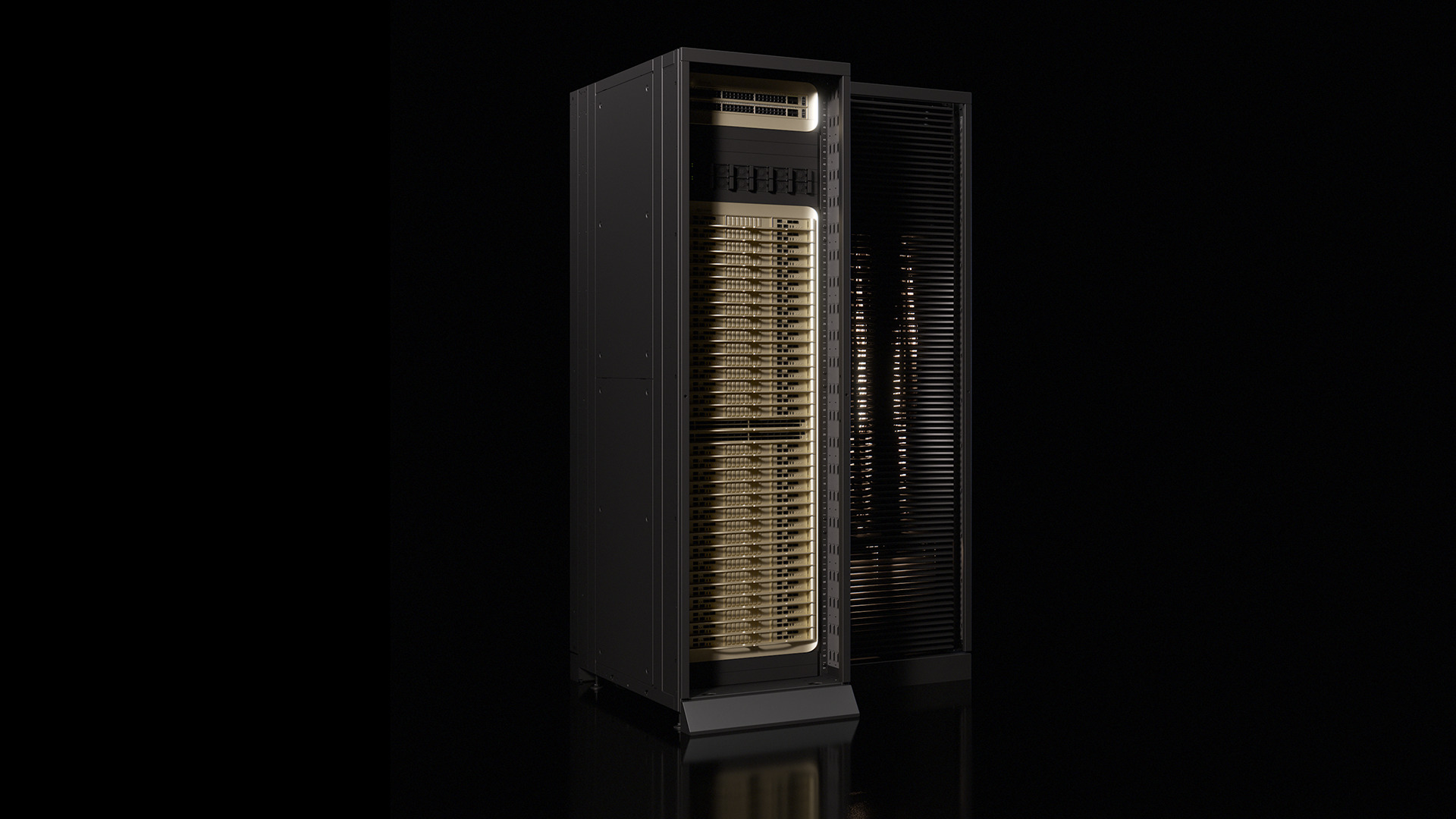
Nvidia Vera Chip Jensen Huang analysis is at the center of this update. Nvidia’s Vera CPU emerges as a pivotal growth driver, targeting a $200 billion market opportunity distinct from the company’s GPU-driven AI forecast. CEO Jensen Huang highlights Vera’s critical role amid increasing competition in AI inference workloads from tech giants and chipmakers.
Nvidia’s Vera Chip: Unlocking a New $200 Billion AI Market
Nvidia’s Q1 earnings report captured widespread attention with revenues of $81.62 billion, surpassing analyst estimates of $78.86 billion, and a strong forecast of $91 billion for Q2, well above Wall Street expectations. While these figures continue Nvidia’s dominance, the company’s CEO Jensen Huang revealed a strategic development that may prove even more significant: the Vera chip.
Unlike Nvidia’s AI GPUs, which are well-known for training large language models and other AI systems, the Vera chip targets inference workloads—where AI models generate real-time responses at scale. Huang emphasized that Vera opens access to a $200 billion market separate from the $1 trillion opportunity Nvidia already anticipates from its Blackwell and Rubin GPU platforms between 2025 and 2027.
He confidently projected that Vera chip revenues could reach $20 billion by the end of this fiscal year, potentially becoming Nvidia’s second largest revenue contributor. This represents not just an incremental product launch but a new strategic front in Nvidia’s AI business.
The Shift to Inference and Custom Silicon Competition
The AI chip landscape is rapidly evolving. While Nvidia maintains leadership in AI training GPUs, the focus is shifting toward inference—the phase where models are deployed to deliver fast, cost-effective outputs. Major cloud providers like Google, Amazon, and Microsoft are investing heavily in custom silicon designs tailored to inference workloads, challenging Nvidia’s GPU dominance.
These companies are expected to invest over $700 billion in AI infrastructure this year, up from roughly $400 billion in 2025, with Intel and AMD also promoting CPUs for inference tasks. Nvidia’s Vera chip is a direct response to this trend, developed partly with technology licensed from Groq, a startup specializing in inference acceleration in a deal valued at about $17 billion.
The Vera Rubin platform, combining Vera CPUs with Rubin GPUs, is slated for release later this year, aiming to offer a comprehensive AI inference solution.
Supply Chain Challenges and Strategic Investments
Despite the optimism, Huang acknowledged supply limitations could constrain Vera’s availability throughout its lifecycle. To mitigate risks, Nvidia is heavily investing in its supply chain, with supply commitments rising from $95.2 billion to $119 billion in Q1 alone. This increase reflects Nvidia’s confidence in demand as well as concerns over a global memory chip shortage.
Further signaling financial strength, Nvidia announced an $80 billion share repurchase program and increased its quarterly dividend from 1 cent to 25 cents per share, even as the company braces for supply pressures.
Investor Sentiment and the Road Ahead
Despite strong earnings, Nvidia’s shares dipped 1.6% in extended trading, reflecting investor concerns about sustaining growth amid intensifying competition in inference silicon. Analyst Jacob Bourne noted that while Nvidia continues to exceed expectations, the critical question remains whether the company can prove the durability of AI infrastructure demand into 2027 and beyond, especially as competitors like Google, Amazon, AMD, and Intel develop alternative solutions.
Huang countered by highlighting a rapidly growing segment of AI cloud customers outside the hyperscalers, whose spending pace now rivals and even outpaces the largest players. He stated, “We should be growing faster than hyperscale capex,” underscoring Vera’s central role in capturing this expanding market.
The Vera chip thus represents a vital component of Nvidia’s AI future, but its success may hinge on overcoming supply chain hurdles and maintaining technological leadership in an increasingly crowded field.
Image source: Nvidia’s Newsroom
Related coverage: AI Chronicle analysis and updates.
Why it matters
This update influences the AI race across model providers, infrastructure leaders, and enterprise adoption decisions.

Related Articles
 AI Startup Mitti Labs Empowers Indian Rice Farmers in Climate Change Fight
 ChatGPT Maintains Lead in Chatbot Market but Google Gemini Rapidly Narrows Gap
 Microsoft’s $10 Billion Investment in Japan Boosts AI and Cybersecurity Initiatives
 Meta Commits Up to $50 Million Annually in Multi-Year AI Data Deal with News Corp