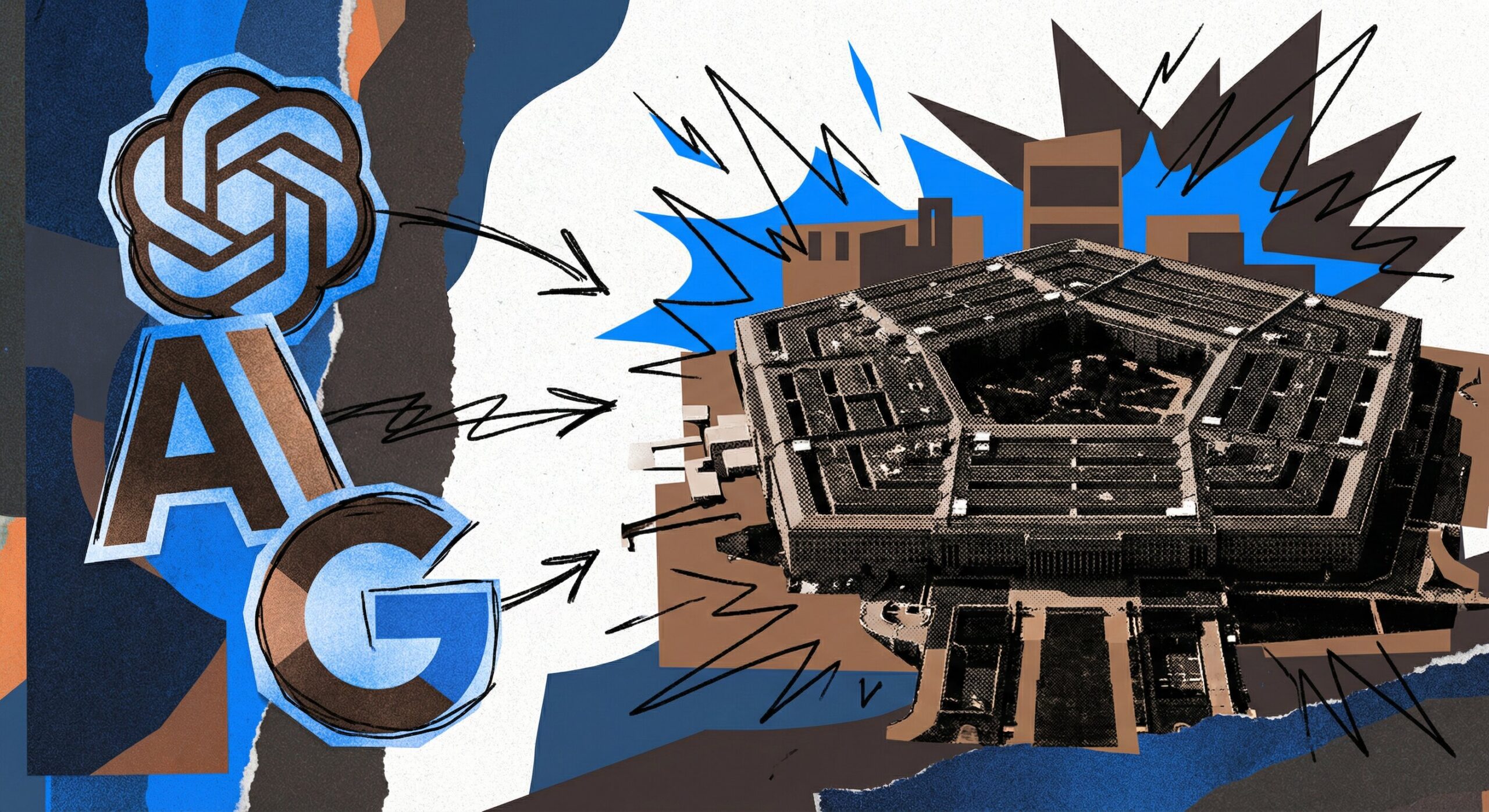
Google Moves Forward with Pentagon AI Contract Amidst Internal Opposition
In a controversial decision, Google has signed a deal granting the U.S. Department of Defense access to its artificial intelligence technologies for use in classified operations. This move comes despite a public letter signed by more than 600 Google employees who expressed serious reservations about the ethical implications of the collaboration.
Employee Concerns and Ethical Debate
The open letter detailed fears that deploying Google’s AI in military contexts could contribute to unintended consequences, including exacerbating warfare capabilities and ethical dilemmas surrounding autonomous systems. Employees urged the company to reconsider the contract, emphasizing the responsibility companies have as creators of powerful AI tools.
Legal Ambiguities in Safety Measures
Legal analysts reviewing the agreement have pointed out that the safety clauses included may lack sufficient legal enforceability. This raises questions about the practical safeguards in place to prevent misuse or unintended harm from AI applications in defense. The contract’s specifics regarding oversight and accountability remain largely undisclosed, fueling further debate about transparency.
Broader Context: AI’s Expanding Role in Defense
Google’s contract with the Pentagon is part of a broader trend of technology companies partnering with government agencies to develop AI applications for national security. This trend exemplifies how AI is increasingly integrated into critical and sensitive sectors, influencing how governments leverage technology for defense purposes.
Implications for AI Development and Corporate Responsibility
The controversy highlights the tension between innovation, corporate interests, and ethical considerations in AI development. As AI technologies become more powerful and pervasive, companies face growing pressure to balance profit and innovation with social responsibility and ethical governance.
Fonte: ver artigo original

 Meta Secures 1 Gigawatt of Solar Power to Support AI Data Centers and Reduce Carbon Emissions
 OpenAI’s growth is becoming Oracle’s credit problem
 Goldman Sachs and Deutsche Bank Deploy Agentic AI to Enhance Trade Surveillance
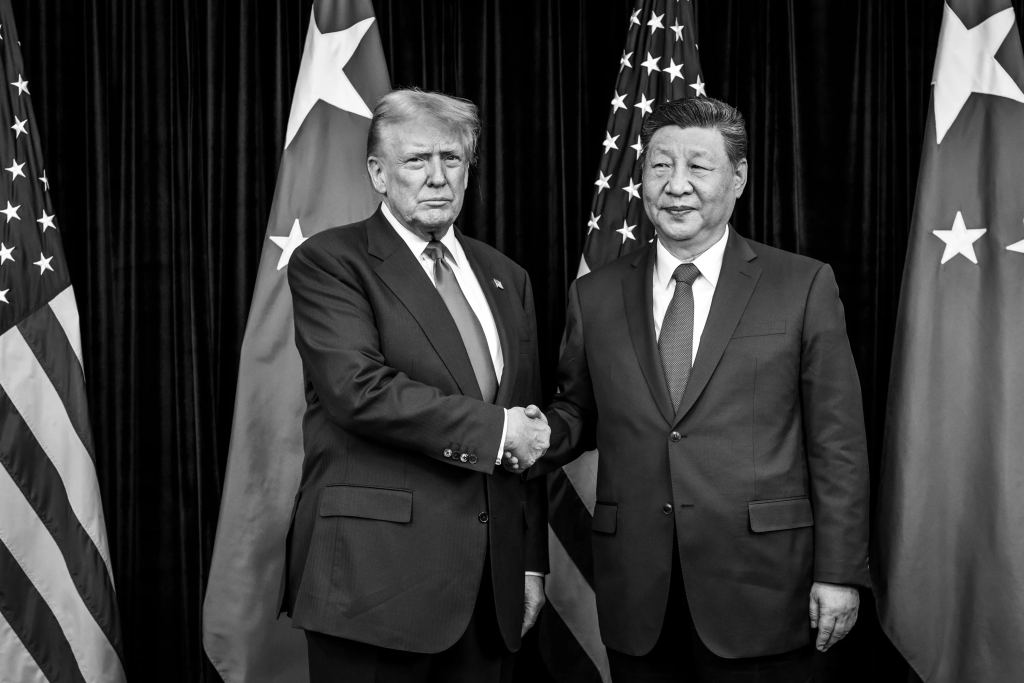 Nvidia H200 Chip Deal with China Stalls Despite Trump-Xi Summit Approval