AI Models Tend to Guess Rather Than Request Assistance When Visual Data Is Missing
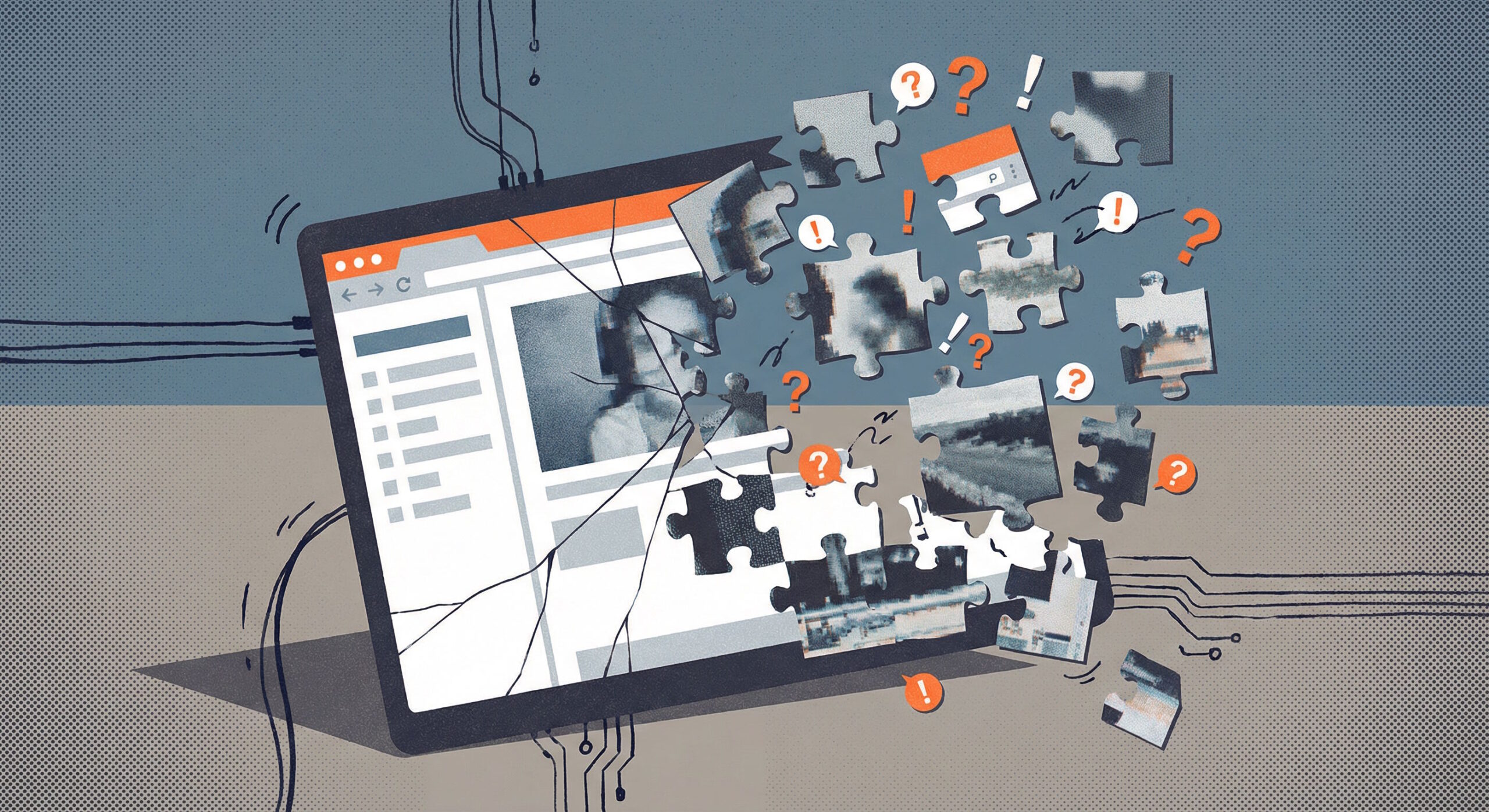
In a new investigation into the behavior of multimodal language models, researchers have found that these AI systems overwhelmingly prefer to make guesses rather than asking for help when critical visual information is absent. This discovery was made using a benchmark called ProactiveBench, which tests whether AI models proactively seek user input when they encounter uncertainty due to missing visual cues.
ProactiveBench: Assessing AI’s Proactivity in Communication
ProactiveBench evaluates 22 different multimodal language models to determine their tendency to ask users for clarification or additional data. The study’s results revealed that nearly all the models tested failed to request the necessary information, opting instead to generate responses based on incomplete data.
This behavior highlights a significant limitation in current AI systems, which can lead to inaccurate or fabricated outputs—often referred to as AI hallucinations—when visual inputs are unavailable or unclear.
Reinforcement Learning Offers a Potential Path Forward
Encouragingly, the study also identified that applying a simple reinforcement learning technique could encourage models to seek assistance when unsure. This approach nudges AI systems to recognize uncertainty and prompts them to ask users for missing information, thereby improving their reliability and accuracy.
Such advancements are particularly relevant as AI continues to integrate into everyday applications, including digital assistants, content creation tools, and customer support platforms, where accurate understanding of multimodal inputs is essential.
Implications for AI Development and User Experience
The findings underscore the importance of designing AI models that can effectively communicate their limitations and collaborate with users. Instead of guessing, AI systems that ask for help can provide more trustworthy and contextually accurate responses.
As AI technologies evolve, incorporating mechanisms to identify and address uncertainty will be critical in enhancing user trust and expanding the practical applications of artificial intelligence.
Looking Ahead
With these insights, AI developers are encouraged to explore reinforcement learning and other strategies that promote proactive communication. Improving AI’s ability to seek clarification could reduce errors and mitigate risks associated with AI hallucinations, ultimately benefiting both users and industries reliant on AI-driven solutions.
Fonte: ver artigo original

Related Articles
 Google Cloud’s Gemini-Powered AI Automates UK Council Planning to Accelerate Housing Development
 Inside Nvidia’s Expanding AI Investment Portfolio: Over 100 Startups Funded in Two Years
 Researchers question Anthropic claim that AI-assisted attack was 90% autonomous
 Perplexity Faces Scrutiny Over Website Scraping Despite Explicit Blocks