Introduction to Project Maven and Its Strategic Role
The Pentagon’s integration of artificial intelligence (AI) has transitioned from experimental phases to becoming a foundational element of modern US warfare. Initially designed as a backend tool to analyze drone footage, Project Maven now serves as a central nervous system orchestrating AI-enabled military operations.
From Technology to Political Power
While Project Maven represents a significant technological advancement, its impact goes beyond technology alone. It embodies a broader political shift where the US government asserts control over AI technologies to align with strategic and national security interests. This shift occasionally leads to tensions with private companies that develop these AI systems, highlighting the delicate balance between innovation and governmental oversight.
Ensuring AI Serves National Security
The US government’s proactive stance aims to guarantee that AI applications in defense are not merely experimental tools but integral components that enhance decision-making, intelligence analysis, and operational efficiency. This commitment underscores a recognition of AI’s transformative potential in warfare, from real-time data processing to autonomous systems.
Implications for AI Development and Industry Collaboration
Project Maven’s evolution reflects a growing trend where government agencies actively shape the direction of AI development, especially in sensitive domains like defense. This dynamic raises important questions about:
- The limits of private sector influence in national security projects.
- The ethical and operational boundaries of AI use in military contexts.
- The future collaboration frameworks between defense agencies and technology companies.
Conclusion: The Broader Impact of Project Maven
Project Maven is more than a military program; it is a symbol of how AI is reshaping not only warfare but also the governance and control of advanced technologies. As AI continues to evolve rapidly, the balance between innovation, ethical considerations, and strategic interests will be critical in defining the future of AI-enabled defense systems.
Fonte: ver artigo original

 Singularity Compute Launches Advanced GPU Cluster in Sweden to Address AI Infrastructure Shortage
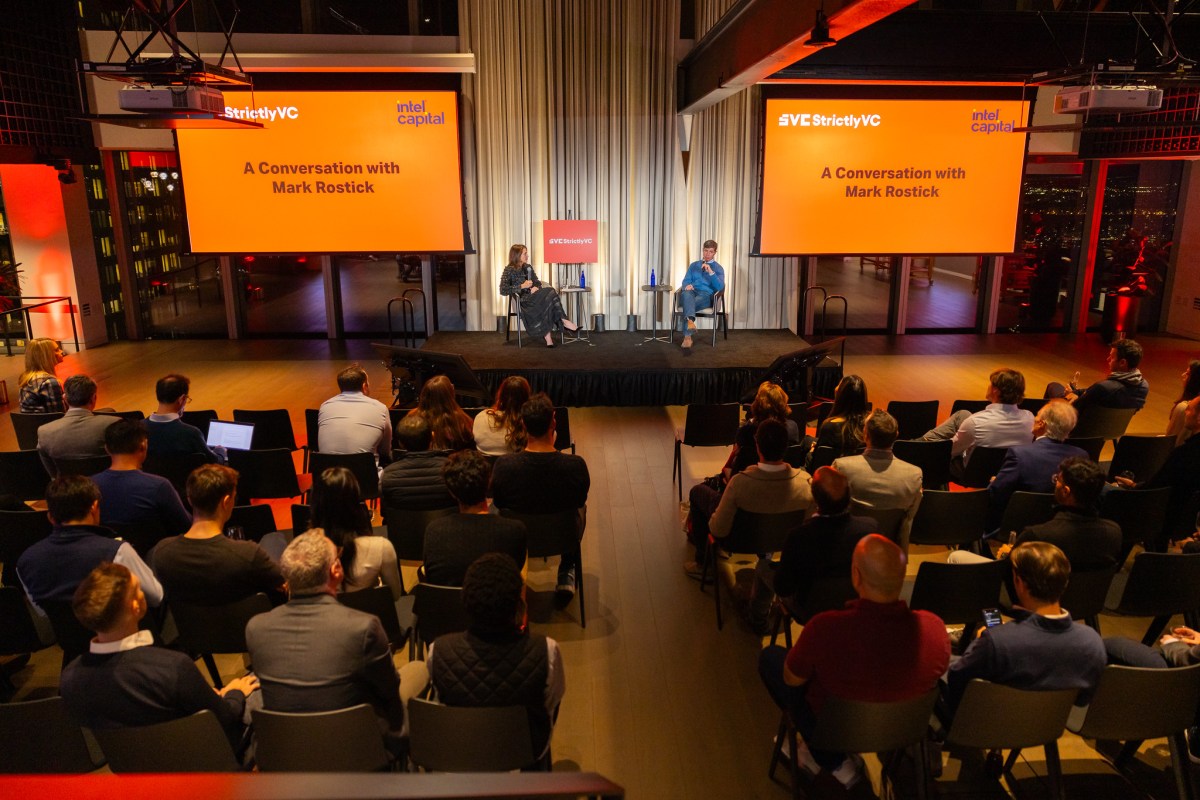 Uber CTO Praveen Neppalli Naga to Speak on AI at StrictlyVC San Francisco Event
 ChatGPT Introduces Global Group Chat Feature to Enhance Collaborative AI Assistance