

FBI’s Use of Commercial Location Data Raises Privacy Concerns
In a recent congressional hearing, FBI Director Kash Patel revealed that the bureau is actively acquiring location data from commercial sources. This data allows the agency to track the movements of American citizens without obtaining search warrants, sparking debates about privacy and government surveillance practices.
How the FBI Obtains Location Data
The data in question is collected by private companies through various means, such as mobile apps and device tracking technologies. These companies then sell aggregated location information to law enforcement agencies, including the FBI. Unlike traditional surveillance methods, this approach does not require a warrant, as the data is considered commercially obtained.
Implications for Privacy and AI Surveillance
The use of AI and data analytics tools enables the FBI to process vast amounts of location information quickly, identifying patterns and potential targets with greater efficiency. While these technologies can enhance public safety efforts, civil liberties advocates warn that warrantless access to such data may infringe on constitutional protections and individual privacy rights.
Legislative and Public Response
Lawmakers expressed concern during the hearing about the scope and legality of the FBI’s surveillance tactics. Some called for clearer regulations governing the purchase and use of commercial data by government agencies. The conversation highlights the ongoing tension between advancing AI-powered surveillance capabilities and protecting citizens’ privacy.
Context Within AI and Government Surveillance
This development is part of a broader trend where artificial intelligence and big data are increasingly integrated into law enforcement and intelligence operations. While AI-driven tools offer promising improvements in efficiency and effectiveness, they also raise critical ethical and legal questions regarding oversight, bias, and the potential for abuse.
Fonte: ver artigo original

Related Articles
 Must-Attend AI Conferences in 2026: Key Events Shaping the Future of Artificial Intelligence
 Apple Unveils STARFlow-V: A Novel Approach to Generative Video Without Diffusion Models
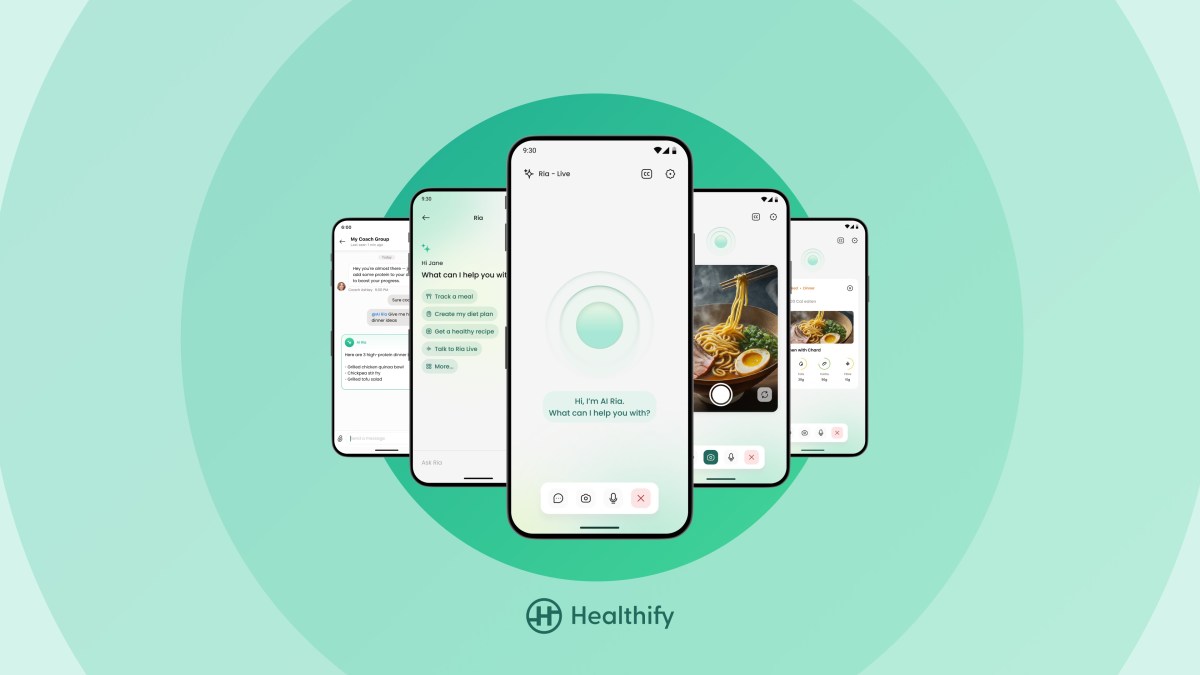 Healthify Enhances AI Assistant Ria with Real-Time Conversational Features
 Google Reports Data Theft from 200 Companies Following Gainsight Cyberattack by Scattered Lapsus$



