Meta’s Avocado AI Model Postponed to May 2026
Meta had initially targeted the first quarter of 2026 to reestablish its leadership in artificial intelligence with the release of Avocado, its new text-based AI model developed by the recently formed TBD Lab. However, recent reports reveal that this launch has been delayed by at least two months, pushing the timeline to May 2026 or later. This postponement reflects the significant challenges Meta is currently facing in its AI development efforts.
Pressure Behind Closed Doors
According to sources cited by The New York Times, Meta is experiencing more internal strain than publicly acknowledged. The delay suggests that the company is navigating technical complexities and competitive pressures within the rapidly evolving AI landscape. Meta’s spokesperson provided a cautious statement regarding the timeline, emphasizing ongoing work to refine the model before its release.
Potential Collaboration with Google’s Gemini
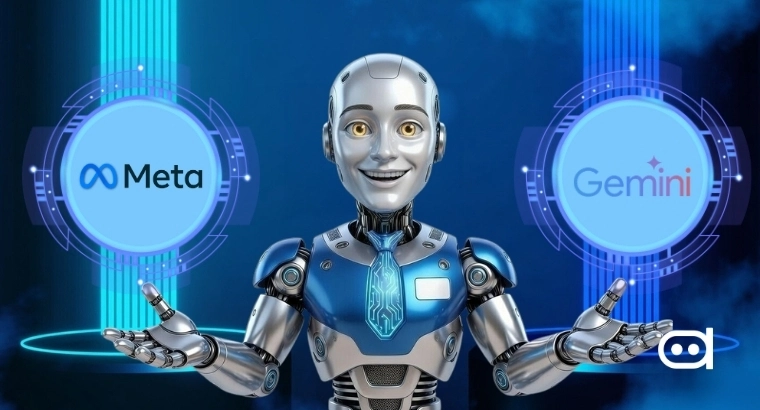
In a notable development, Meta is reportedly considering licensing Google’s Gemini AI model to supplement its own technology. This move would mark a strategic shift, potentially allowing Meta to leverage Google’s advancements to maintain competitiveness. The Gemini model, known for its robust AI capabilities, could provide Meta with a valuable resource as it continues to develop its AI offerings.
Context: Meta’s Position in the AI Race
Meta’s ambition to reclaim a leading position in AI comes amid fierce competition from tech giants like Google and Microsoft. While Meta has heavily invested in AI research and development, the delay of Avocado highlights the difficulties in delivering cutting-edge AI solutions swiftly. The company’s strategy now appears to involve both internal development and external partnerships to accelerate progress.
Implications for AI Industry and Users
This delay may affect businesses and developers eagerly awaiting new AI tools from Meta. As AI becomes increasingly integral to productivity, content creation, and automation, the pace of innovation from major players influences market dynamics and user adoption. Meta’s potential licensing of Google’s Gemini could also signal a trend toward more collaborative approaches in AI development.
Looking Ahead
The AI sector continues to evolve rapidly, with breakthroughs and strategic alliances shaping the future landscape. Meta’s experience underscores the complexity of creating sophisticated AI models and the necessity of flexibility in strategy. Observers will be watching closely to see how Meta adapts and whether the Avocado model, alongside possible integration with Gemini, will meet industry expectations.
Fonte: ver artigo original

Related Articles
 Agentic Coding in 2026: The Future of AI-Driven Software Development
 Top AI Summits and Conferences to Watch in 2025-2026
 Traders Fair Manila 2026 to Unite Global Trading Leaders and Innovators Amid Rapid Financial Market Evolution
 Inside Nvidia’s Expanding AI Investment Portfolio: Over 100 Startups Funded in Two Years