Meta’s Commitment to Renewable Energy for AI Operations
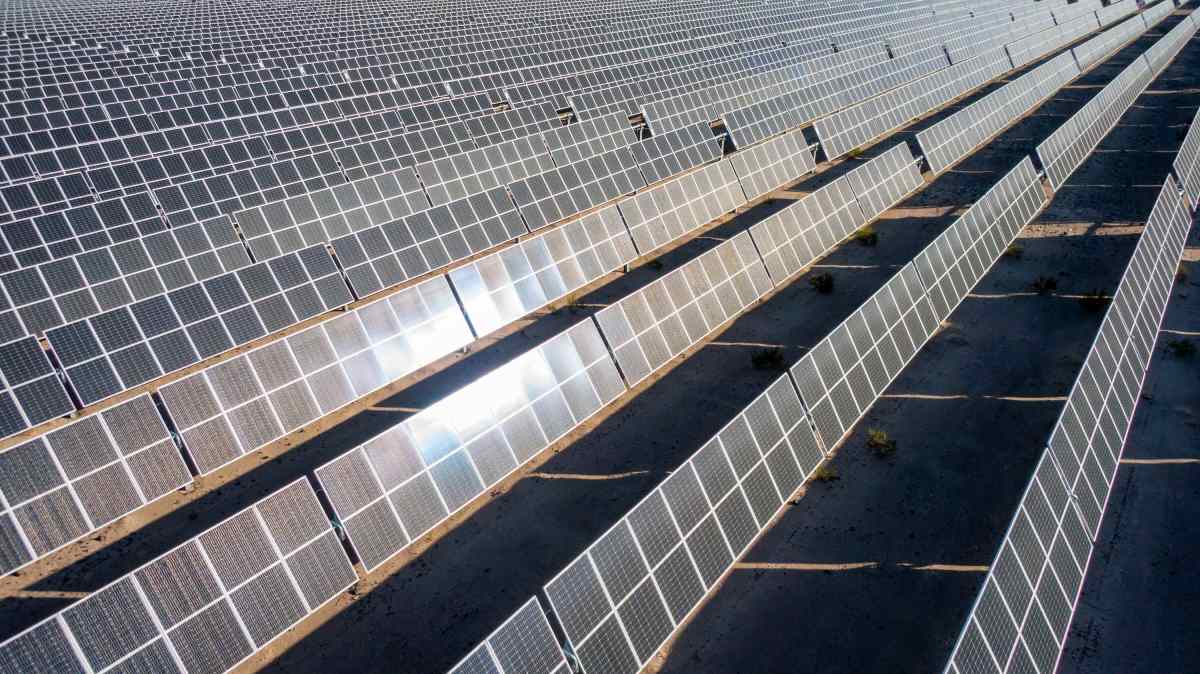
In a strategic move to enhance the sustainability of its AI-powered services, Meta has recently completed agreements to purchase 1 gigawatt (GW) of solar energy from three projects across the United States. This initiative is designed to supply clean electricity to its data centers, which are the backbone of its artificial intelligence and social media platforms.
Driving AI with Clean Power
Meta’s data centers require vast amounts of energy to support AI tools that millions rely on daily, from content recommendation algorithms to AI assistants. By investing in solar power, Meta aims to offset its carbon footprint significantly, aligning its growth in AI technology with environmental responsibility.
This purchase is one of the largest renewable energy deals made by a technology company, reflecting Meta’s broader AI strategy that includes expanding its AI capabilities while minimizing environmental impact.
Implications for AI and Corporate Sustainability
The integration of renewable energy sources like solar power into AI infrastructure is becoming a critical trend in the tech industry. Companies like Meta are demonstrating how AI advancements can be paired with sustainable practices to reduce operational costs and carbon emissions simultaneously.
Experts highlight that as AI workloads increase, powering data centers sustainably will be essential to meet global climate goals. Meta’s investment sets a precedent for other firms looking to balance AI innovation with ecological considerations.
Looking Ahead
As artificial intelligence continues to evolve and play a more significant role in everyday life and business productivity, the energy demands of supporting AI infrastructure grow accordingly. Meta’s commitment to renewable energy not only mitigates environmental impact but also supports the scalability of its AI services globally.
This approach underscores the importance of responsible AI development, where technological progress goes hand in hand with sustainable energy use.
Fonte: ver artigo original

Related Articles
 Microsoft, NVIDIA, and Anthropic Establish Strategic Alliance to Advance AI Compute Infrastructure
 Microsoft, NVIDIA, and Anthropic Unite to Transform AI Compute Infrastructure
 AI-Powered Apps Offer New Ways to Break Free from Doomscrolling
 OpenAI Enhances AI Content Provenance with New Verification Technologies