Introduction to Agentic Coding
Over the past two decades, software development has experienced a profound shift from manual coding to the integration of AI-assisted programming tools. These advancements have included collaborative version control systems and AI copilots that offer code suggestions, significantly enhancing developer productivity. Looking ahead to 2026, the industry anticipates the arrival of agentic coding systems that will transform the development landscape even further.
From AI Assistance to Autonomous Coding Agents
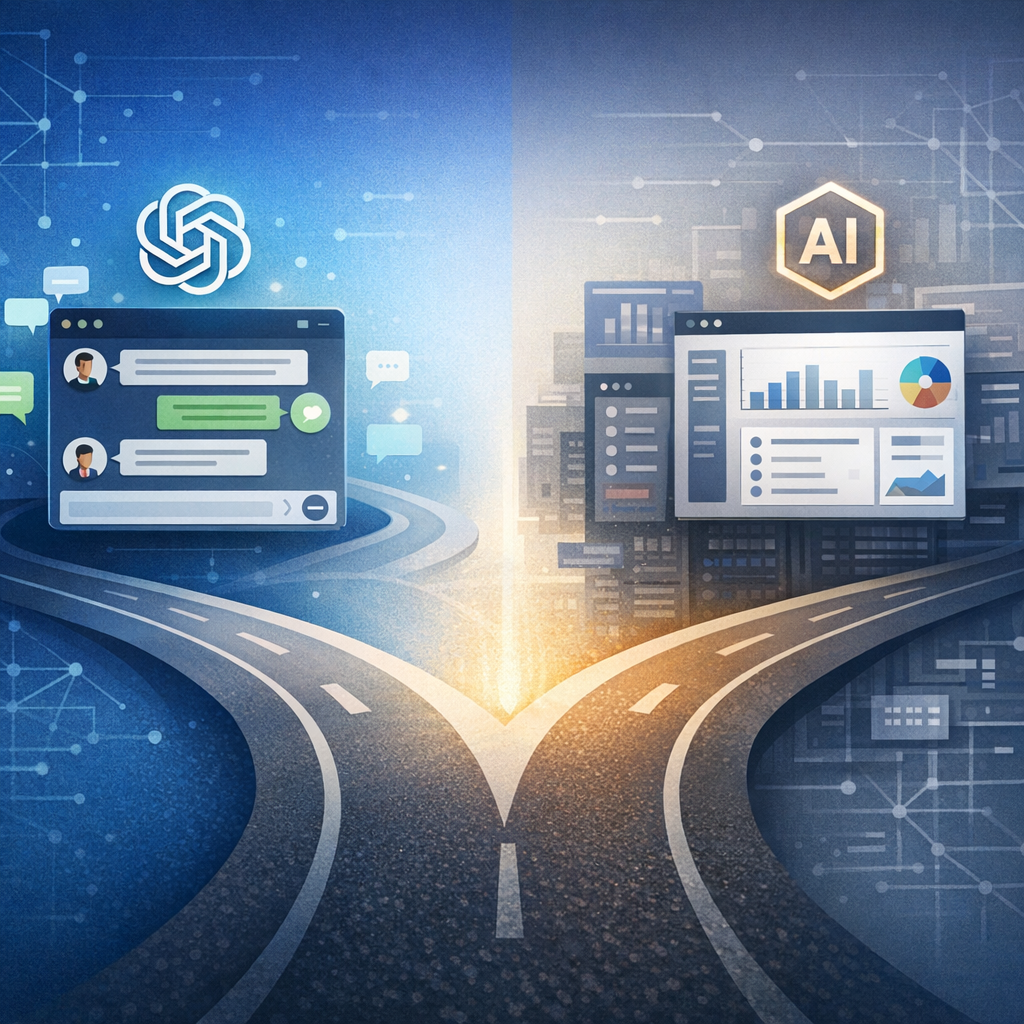
Traditional AI coding tools have relied heavily on human input throughout the software development lifecycle, including planning, executing, testing, and refining code. These systems functioned primarily as aides, providing recommendations and automating repetitive tasks but requiring constant supervision and correction.
Agentic AI coding represents a paradigm shift. These advanced systems will be capable of independently managing all phases of software development with minimal human intervention. By autonomously generating, testing, and debugging code, agentic AI agents are expected to streamline workflows, reduce human error, and accelerate project timelines.
Benefits of Agentic Coding Systems
- Increased Productivity: By handling complex coding tasks autonomously, developers can focus on higher-level design and innovation.
- Enhanced Code Quality: Continuous self-testing and refinement by AI agents can lead to more reliable and maintainable software.
- Broader Accessibility: These tools will be integrated into all development environments, making advanced AI coding capabilities widely accessible.
Implications for the Software Industry and Workforce
The adoption of agentic AI coding systems may reshape the roles of software engineers, shifting from routine coding to supervising AI agents and focusing on creative problem-solving. While some traditional coding jobs may evolve or diminish, new opportunities will emerge in AI management, oversight, and strategic development.
Moreover, businesses stand to benefit from reduced development costs and faster time-to-market, enhancing competitiveness in a rapidly evolving technological landscape.
Challenges and Considerations
Despite its promise, agentic coding raises important questions about trust, security, and the potential for AI to make unintended errors. Establishing robust frameworks for AI oversight and ensuring transparency in AI decision-making will be critical to harnessing these technologies responsibly.
Conclusion
Agentic coding is poised to be the next major milestone in AI-driven software development by 2026. As these autonomous AI agents become integral to coding environments, the software industry must prepare for significant transformations in workflows, workforce dynamics, and innovation capabilities.
Fonte: ver artigo original

Related Articles
 HP Advances AI and Data Solutions for Enterprise with Cutting-Edge Compute and Governance
 Why OpenAI’s latest scare could hand Anthropic a safety advantage
 Meta Expands Renewable Energy Portfolio with 650 MW of New Solar Power for AI Operations
 OpenAI Introduces Advanced Voice Intelligence Features in Its API