Jack Dorsey’s Bold Workforce Reduction at Block
In a striking move that reflects the growing influence of artificial intelligence on business operations, Jack Dorsey, the co-founder of Twitter and current head of Block, recently announced a dramatic reduction in the company’s workforce. Block has cut its employee count by half, laying off approximately 4,000 workers. This significant downsizing highlights the rapid changes businesses are undergoing as AI technologies reshape productivity and cost structures.
AI as a Catalyst for Corporate Restructuring
Dorsey’s decision appears to be inspired, at least in part, by the operational strategies of tech leaders like Elon Musk. AI tools have increasingly enabled companies to automate routine tasks, optimize workflows, and enhance decision-making, contributing to the need for fewer human resources in certain roles. This trend is not isolated to Block; many companies are leveraging AI to streamline hiring and recruitment, reduce overhead costs, and increase overall efficiency.
What This Means for the Workforce and the Future of Jobs
The downsizing at Block raises pressing questions about the future of employment in an AI-driven economy. Jobs involving repetitive or predictable tasks are among the first to be affected by AI automation. However, AI also creates new opportunities, particularly in areas requiring advanced technical skills, AI oversight, and creative problem-solving.
As companies adopt AI tools for productivity and operational excellence, workers—especially freelancers, students, and small business owners—must adapt by acquiring skills complementary to AI technologies. The rise of AI side hustles and new job roles in AI development and management reflects this shift.
Industry-Wide Implications and the Role of AI Leaders
Block’s workforce reduction signals a broader trend in the tech industry and beyond. With major players like Microsoft, Google, and Meta intensifying their AI strategies, the competitive landscape is rapidly evolving. AI is not only a tool for innovation but also a driver of significant organizational change.
Moreover, industry visionaries such as Elon Musk and Sam Altman continue to influence how AI is integrated into companies, shaping both the risks and benefits associated with this technology. The focus on AI’s impact extends beyond economics to include ethical considerations, privacy, and the potential for bias.
Conclusion: Preparing for an AI-Driven Corporate Future
Jack Dorsey’s halving of Block’s staff underscores the transformative power of artificial intelligence in the corporate world. As AI continues to advance rapidly, organizations must balance cost-cutting efficiencies with responsible workforce management. Employees and employers alike face the challenge of navigating a future where AI plays an increasingly central role in everyday business and society.
Fonte: ver artigo original

Related Articles
 Meta Unveils SAM 3: A Breakthrough in Multimodal AI Bridging Language and Vision
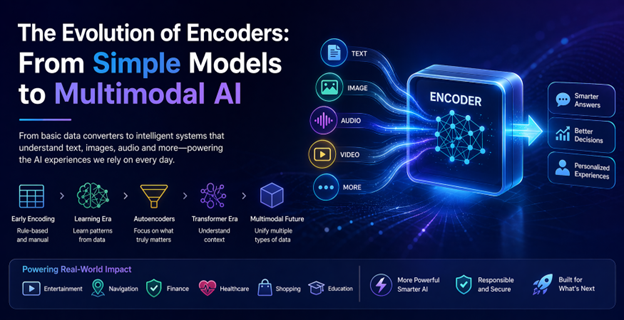 The Evolution of Encoders: From Basic Data Converters to Multimodal AI Powerhouses
 Global Blockchain Show Returns to Riyadh, Highlighting Future of Web3 and AI Integration
 NousCoder-14B: Open-Source AI Coding Model Challenges Industry Giants Amid AI Coding Race