AI Transforming Digital Content Creation
In today’s fast-evolving digital landscape, artificial intelligence (AI) is no longer a futuristic concept but a fundamental component of content production. Creative AI tools are revolutionizing how teams handle social media graphics, marketing visuals, and video content, enabling increased output without expanding personnel.
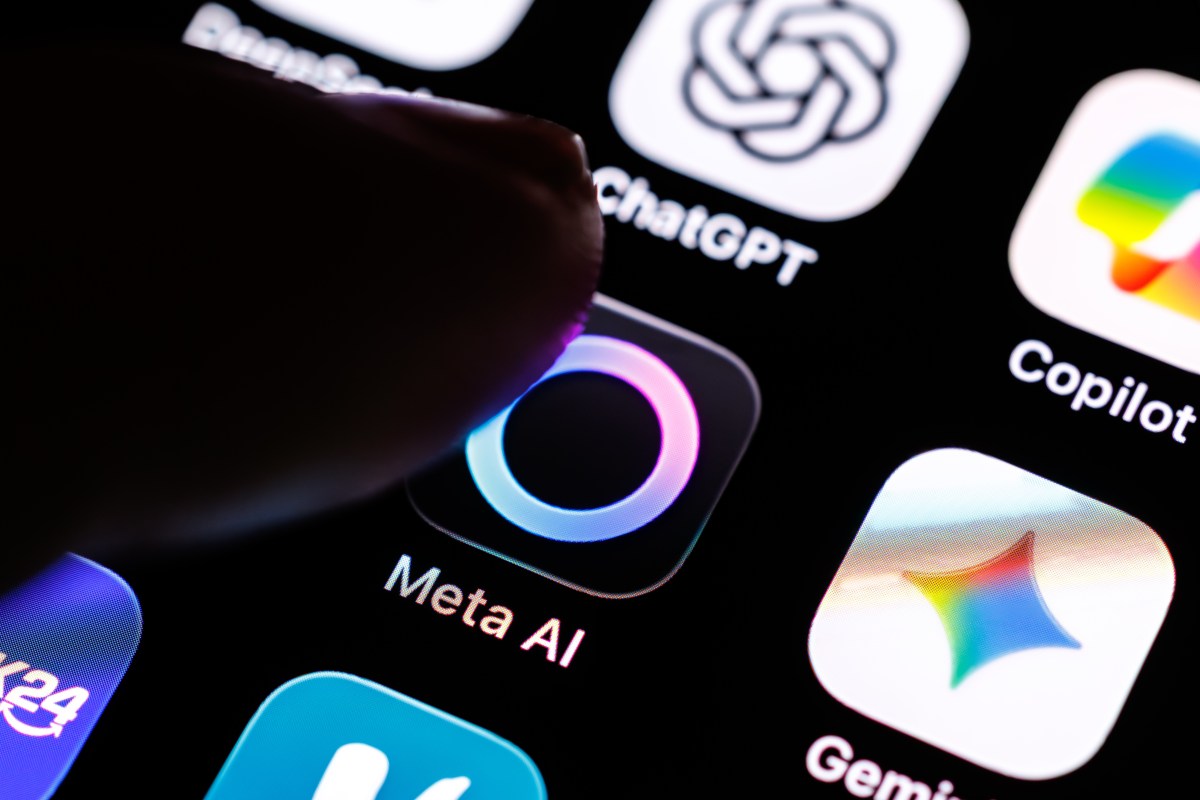
Among the many AI-powered platforms, Canva Pro, Google Nano 3, and Sora 2 stand out as some of the most promising tools designed to boost creative productivity. This article provides an in-depth comparison of these three platforms to guide creators, marketers, and businesses in selecting the most effective AI design tool for 2026.
Overview of Leading AI Design Tools
Canva Pro: An Established Creative Powerhouse
Canva Pro has gained widespread popularity due to its user-friendly interface and versatile design capabilities. Beyond traditional templates, it now integrates advanced AI features that assist users in generating social media graphics, marketing materials, and videos with minimal manual effort. Its AI-driven suggestions and automation allow teams to accelerate their creative workflows efficiently.
Google Nano 3: Innovation from a Tech Giant
Google Nano 3 represents Google’s latest advancement in AI design technology. Leveraging Google’s extensive AI research and cloud infrastructure, it offers hyper-realistic image generation and video creation tools tailored for marketing and content professionals. Its seamless integration with other Google services provides added convenience for users embedded in the Google ecosystem.
Sora 2: The Emerging AI Contender
Sora 2 is an emerging AI design platform focused on empowering small businesses and freelancers. Its strength lies in balancing powerful AI capabilities with affordability and ease of use. Sora 2 supports the creation of dynamic social media content and marketing visuals, aiming to democratize access to AI-enhanced creative tools.
Key Features Comparison
- Creative Output: All three platforms utilize AI to generate visually compelling images and videos, but Google Nano 3 emphasizes hyper-realistic rendering, while Canva Pro excels in template variety and user customization.
- User Accessibility: Canva Pro remains the most accessible for users of varying skill levels, whereas Sora 2 targets freelancers and small teams seeking cost-effective AI solutions.
- Integration and Ecosystem: Google Nano 3 benefits from tight integration with Google Workspace, enhancing collaboration, while Canva Pro offers extensive third-party app compatibility.
- Pricing and Scalability: Sora 2 provides competitive pricing aimed at smaller businesses, whereas Canva Pro and Google Nano 3 cater to a broader range of enterprise needs.
Implications for Marketers and Creators
The adoption of AI tools like Canva Pro, Google Nano 3, and Sora 2 signals a shift in how creative teams operate. By automating routine design tasks and enabling rapid content generation, these platforms allow professionals to focus on strategic and high-level creative decisions. This evolution not only improves productivity but also opens new avenues for innovation in marketing and digital storytelling.
As AI continues to advance, choosing the right tool depends on specific organizational needs, budget constraints, and desired output quality. The coming years will likely see further integration of AI in creative workflows, making these platforms essential for maintaining competitive advantage.
Looking Ahead
With 2026 on the horizon, the competition among AI design tools is intensifying. Canva Pro, Google Nano 3, and Sora 2 each bring unique strengths to the table, reflecting broader trends in AI adoption across industries. Their continued development will shape the future of digital content creation, making AI an indispensable partner in the creative process.
Fonte: ver artigo original

Related Articles
 Malaysia Captures 32% of Southeast Asia’s AI Investment, Driving Regional AI Leadership
 Pro-Iranian Hackers Claim Breach of FBI Director Kash Patel’s Personal Email
 The True Energy Cost of AI: Understanding the Electricity Behind Model Training
 Google Aims for 1000x Increase in AI Computing Power Over Next Five Years