Microsoft Introduces Maia, a Next-Generation AI Chip
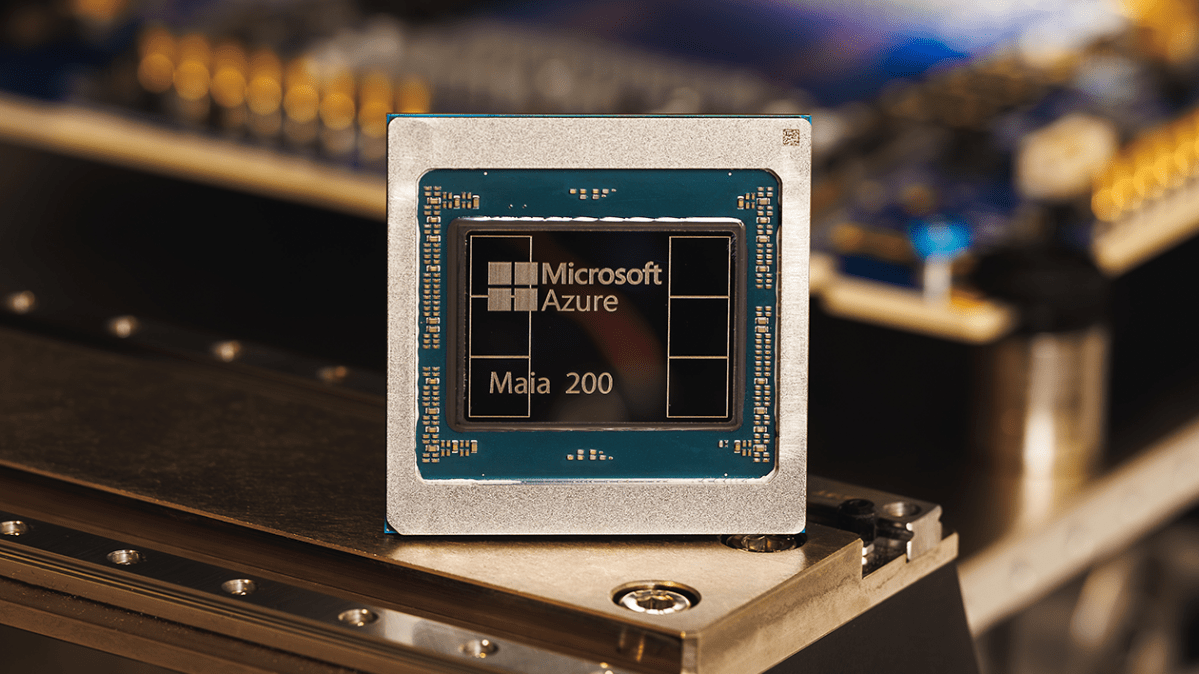
In a major advancement for artificial intelligence hardware, Microsoft has revealed its latest AI inference chip named Maia. This cutting-edge processor is equipped with more than 100 billion transistors, marking a significant leap in computing capabilities tailored for AI applications.
Unprecedented Performance Metrics
Maia delivers extraordinary performance, achieving over 10 petaflops in 4-bit precision and approximately 5 petaflops in 8-bit precision. These figures represent a substantial increase compared to its predecessor, enabling faster and more efficient processing of AI models and algorithms.
Implications for AI Workloads and Industry
The enhanced computational power of Maia is expected to accelerate AI inference tasks, which are critical for real-time decision-making in various sectors such as healthcare, finance, and autonomous systems. By handling complex AI computations more efficiently, Maia could help reduce operational costs and improve the performance of AI-driven applications.
Microsoft’s Position in the AI Hardware Race
This development reinforces Microsoft’s commitment to advancing AI technology infrastructure, positioning the company as a formidable competitor alongside other tech giants in the race to deliver powerful AI solutions. The Maia chip could play a crucial role in enabling the next generation of AI assistants, productivity tools, and enterprise AI services.
Looking Ahead
As AI continues to transform everyday life and business operations, innovations like Maia highlight the importance of specialized hardware in pushing the boundaries of what AI can achieve. Microsoft’s investment in this technology underscores the strategic value of AI in driving future growth and technological evolution.
Fonte: ver artigo original

Related Articles
 Google Unveils Gemini 3: A Leap Forward in AI for Developers
 Deloitte Urges Enterprises to Embrace Autonomous Intelligence for Sustainable Growth
 Survey Highlights AI’s Growing Role in Software Development and the Need for Centralized Management
 Deloitte Urges Enterprises to Scale Autonomous Intelligence for Sustainable Growth