Elon Musk Highlights Tesla’s Ambitious Robotaxi Vision
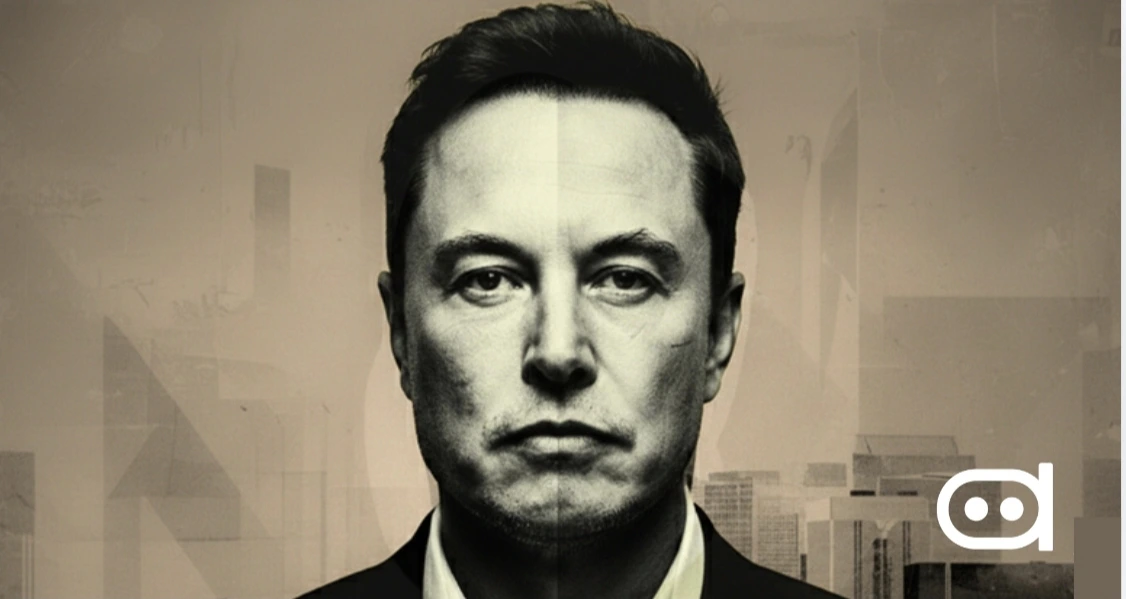
Elon Musk, known for his influential presence on social media and as the world’s wealthiest individual, recently revealed plans for Tesla to deploy a widespread network of driverless robotaxis across the United States by 2026. This announcement reignites Tesla’s long-standing ambition to develop fully autonomous vehicles that transform everyday transportation.
Driverless Technology and AI Integration
Tesla’s robotaxis rely heavily on advancements in artificial intelligence, including sophisticated machine learning algorithms and real-time sensor data processing. These AI capabilities enable vehicles to navigate complex urban environments without human intervention, promising increased convenience and efficiency in daily commuting.
Impact on Everyday Life and the Automotive Industry
The anticipated rollout could significantly change how people travel, reducing the need for personal car ownership and potentially lowering transportation costs. Moreover, Tesla’s initiative exemplifies how AI technologies are reshaping traditional industries, with autonomous systems taking over roles previously requiring human drivers.
Challenges and Market Competition
Despite the optimistic timeline, deploying a fully operational robotaxi fleet involves overcoming regulatory, safety, and technological hurdles. Tesla faces competition from other companies investing heavily in autonomous driving technology, as well as scrutiny regarding the reliability and trustworthiness of AI-driven vehicles.
Elon Musk’s Role in AI and Robotics
Musk’s focus on robotaxis aligns with his broader vision of artificial intelligence’s role in society. Beyond automotive applications, he has been vocal about the potential and risks associated with AI development. Tesla’s robotaxis represent a tangible application of AI tools that people will actively use, reflecting how AI continues to integrate into everyday life.
Looking Ahead
If Tesla meets its 2026 goal, the widespread adoption of robotaxis could accelerate AI-driven transformations in mobility, urban planning, and labor markets. It also raises important questions about job displacement in driving professions and the creation of new roles supporting autonomous vehicle ecosystems.
Fonte: ver artigo original

Related Articles
 Delaware Supreme Court Restores Elon Musk’s $56 Billion Tesla Compensation Package
 China Blocks Meta’s $2 Billion Acquisition of AI Startup Manus Amid US-China Tech Rivalry
 ChatGPT’s assistant race: what AWS’s GraphRAG push says about OpenAI and Claude
 Perplexity Accused of Ignoring AI Scraping Blocks on Websites, Cloudflare Reports