
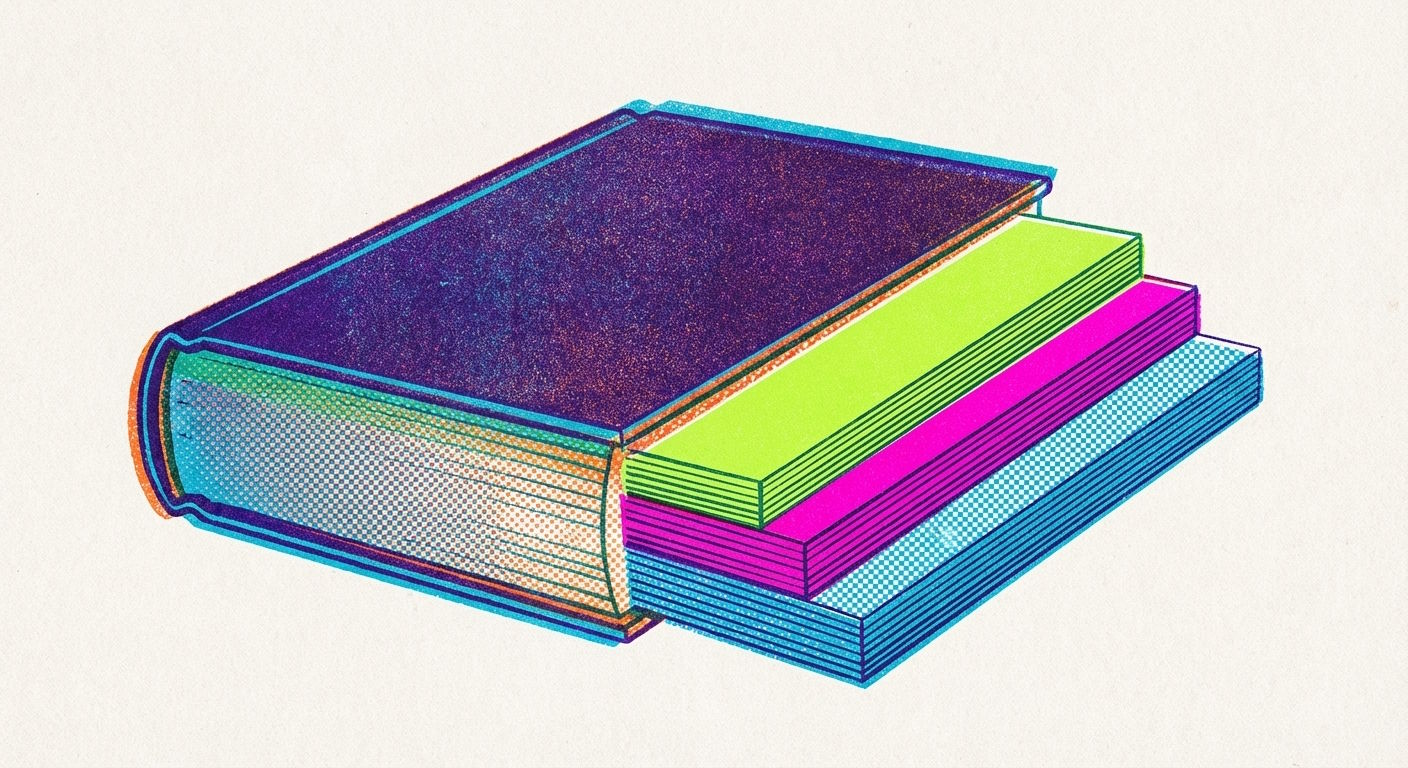
AI Models Reproduce Extensive Copyrighted Texts
Recent research has demonstrated that some of the most advanced commercial language models can output nearly complete texts of famous novels such as Harry Potter, Game of Thrones, and 1984. In the study, researchers extracted up to 96% of the Harry Potter text word-for-word from leading AI systems, with two of the four models tested showing little resistance to direct text extraction.
Implications for Copyright and AI Development
This discovery is significant as it highlights potential copyright infringement risks associated with AI-generated content. The ability of AI models to memorize and reproduce large portions of copyrighted material without modification could influence ongoing and future legal battles against AI companies. These cases often focus on whether such AI training and output constitute fair use or copyright violation.
Understanding How Language Models Memorize Text
Language models like those tested are trained on vast datasets that include books, articles, and internet content. This extensive training enables them to generate coherent and contextually relevant text. However, the models may inadvertently memorize and reproduce lengthy sequences verbatim, especially for popular or widely available texts.
Experts warn that this behavior challenges assumptions about AI’s creative capabilities and raises concerns about the ethical use of copyrighted materials in AI training datasets.
Potential Impact on the AI Industry and Consumers
The findings underscore the need for AI developers to implement safeguards that prevent excessive memorization of copyrighted works. For consumers and businesses utilizing AI tools, awareness of these limitations is crucial to avoid legal complications when using AI-generated content.
As AI continues to play an increasing role in content creation, productivity enhancement, and automation across various sectors, addressing copyright issues will be key to sustainable and responsible AI innovation.
Looking Ahead
Ongoing research and legal scrutiny will likely shape how AI companies train their models and manage intellectual property rights. The balance between leveraging AI’s capabilities and respecting copyright laws remains a pressing challenge in the evolving landscape of artificial intelligence.
Fonte: ver artigo original

Related Articles
 Google Faces Privacy Backlash Over Gmail Emails Used to Train AI Models
 Spain Launches Investigation into AI-Generated Child Sexual Abuse Content on Major Social Platforms
 Meta Expands Solar Energy Capacity by 650 MW to Power AI Initiatives
 Expereo Highlights the Need for Certainty in Enterprise Connectivity Amid the AI Revolution



