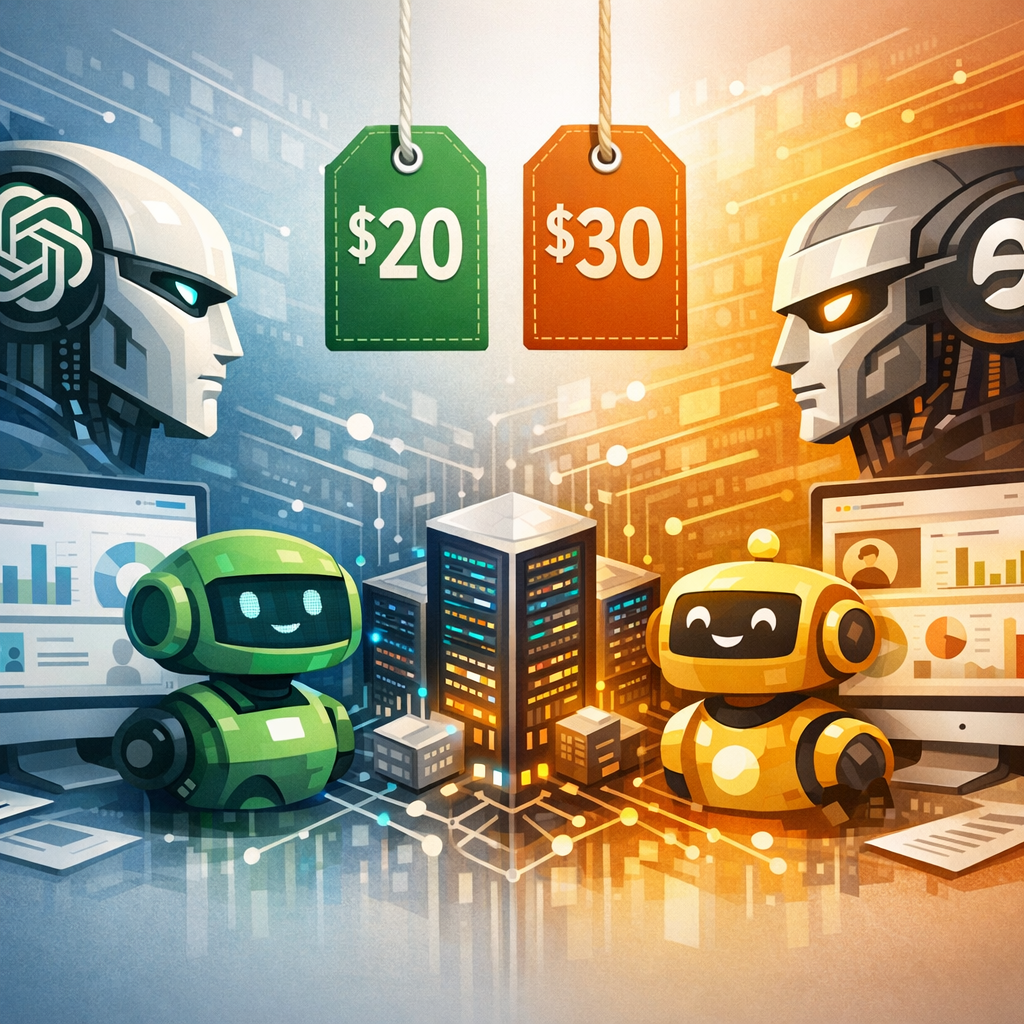
Introduction to AI’s Evolution in Gaming
Over the past two decades, artificial intelligence (AI) has significantly transformed the gaming industry. Initially employed to program basic non-player characters (NPCs), AI technologies now enable the creation of complex, dynamic virtual worlds. This evolution is reshaping player experiences by making games more immersive, personalized, and interactive than ever before.
From Simple NPCs to Intelligent Game Worlds
In earlier gaming generations, AI’s role was limited to controlling rudimentary NPC behavior, such as simple enemy movements or predictable responses. However, advances in machine learning and generative AI have allowed developers to design smarter non-player characters and adaptive environments that respond uniquely to each player’s actions.
Machine Learning Enhancing Gameplay
Modern AI systems utilize machine learning algorithms to analyze player behavior and adjust game difficulty or narrative elements accordingly. This leads to a more tailored gaming experience that can continuously challenge or assist players based on their skill level and play style.
Generative Technologies Creating Dynamic Content
Generative AI is being integrated to produce new game content on the fly, such as procedurally generated levels, storylines, or character dialogue. This capability significantly extends replayability and keeps gaming experiences fresh and engaging without requiring manual content creation for every scenario.
AI’s Impact on Player Engagement and Interaction
With AI-driven innovation, games are becoming more immersive, allowing players to interact with game worlds in unprecedented ways. Intelligent agents within games can demonstrate realistic decision-making, emotional responses, and even learn from player interactions, enhancing the sense of presence and realism.
Furthermore, AI-powered chatbots and virtual assistants embedded in games facilitate more natural communication, aiding players in-game or offering personalized guidance, which elevates user satisfaction and accessibility.
Industry Implications and Future Prospects
The integration of AI in gaming is not only revolutionizing gameplay but also influencing the broader AI ecosystem. Gaming serves as a testing ground for AI innovations that can be adapted for other sectors such as robotics, simulation training, and virtual reality.
Looking ahead, the synergy between advanced AI models and powerful gaming hardware, including GPUs optimized for AI workloads, promises even more sophisticated and responsive gaming experiences. As the industry continues to embrace AI, developers and players alike can expect increasingly intelligent, adaptive, and immersive games.
Conclusion
Artificial intelligence has become a cornerstone of modern video game development, moving beyond basic NPC controls to shaping entire interactive worlds. The ongoing advancements in machine learning and generative AI are set to deepen player engagement and redefine the boundaries of gaming.
Fonte: ver artigo original

Related Articles
 European Commission Launches Antitrust Probe into Meta’s WhatsApp AI Policy
 NVIDIA Launches Nemotron 3: A New Suite of Open Models for Advanced Agentic AI
 Mill’s Innovative AI-Driven Solution Secures Partnership with Amazon and Whole Foods
 Microsoft’s Rapid Data Center Expansion Poses Threat to Its Sustainability Ambitions