Why AI Is Not Just Assisting, But Replacing Traditional Programming
The rise of AI generative models and advanced machine learning frameworks is not simply an incremental improvement for software development. It is a seismic shift that challenges the very existence of traditional programming roles. With tools that can generate complex code from natural language prompts, automate debugging, and even optimize entire workflows, are coders becoming obsolete?
The Death of Manual Coding?
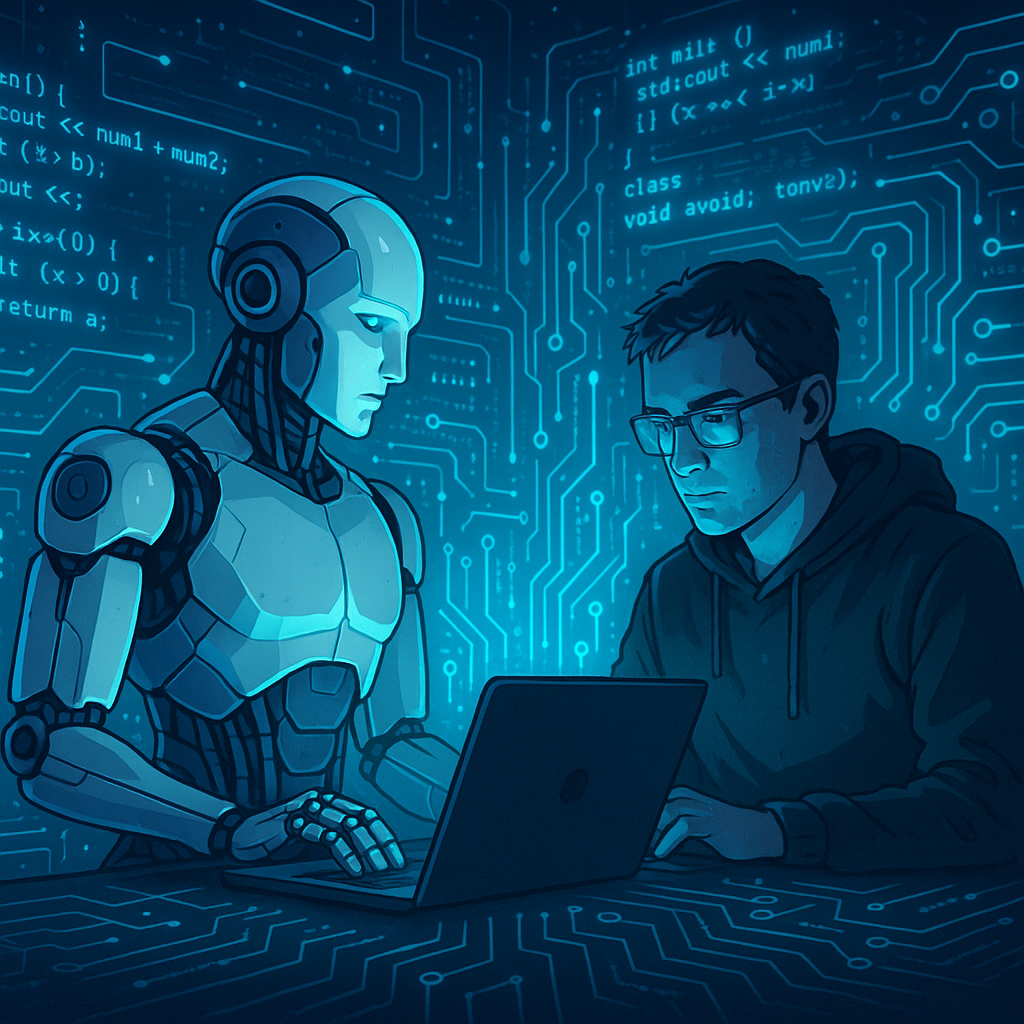
For decades, programming was the backbone of digital innovation. Yet, today’s powerful LLMs (Large Language Models) and code generation tools offer an alternative: write a plain English specification, and the AI writes the code. But have we considered the implications? What happens to software craftsmanship and deep understanding of systems when machines produce the majority of code?
Is This Progress or a Crisis?
Automation promises unprecedented productivity gains, but at what social cost? Entire cohorts of programmers may find their skills redundant. The promise of efficiency risks creating a new digital divide: those who can adapt to overseeing AI coding agents versus those stuck in legacy development roles. This is not just a technological change but a socio-economic disruption.
Who Controls the AI That Codes?
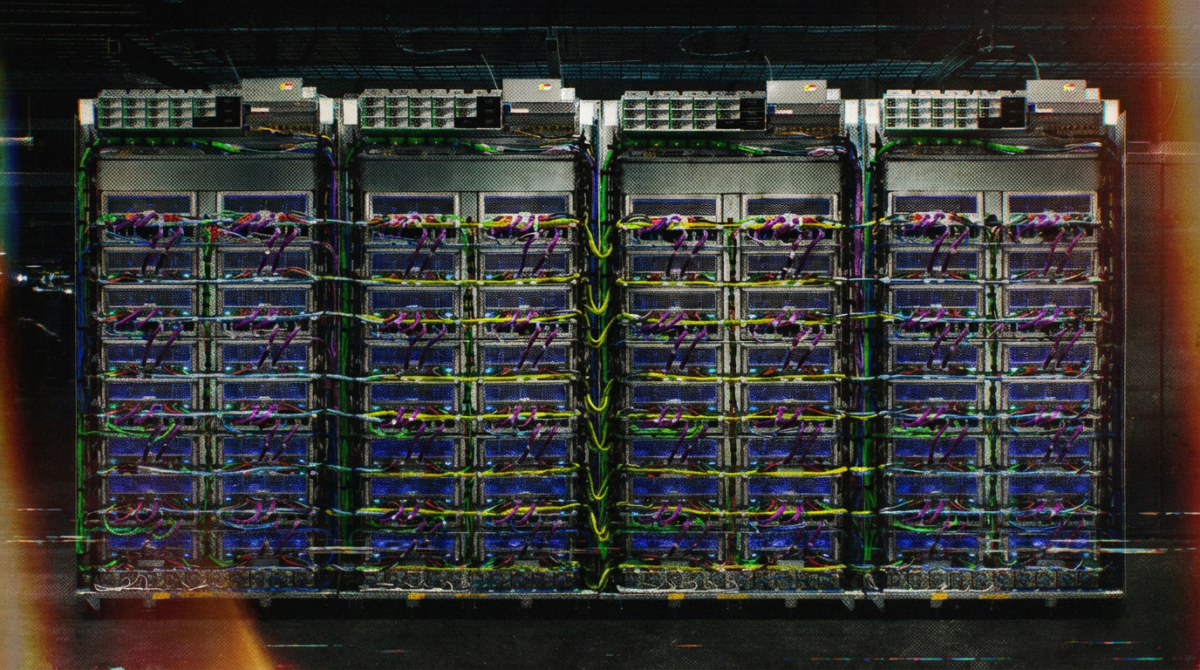
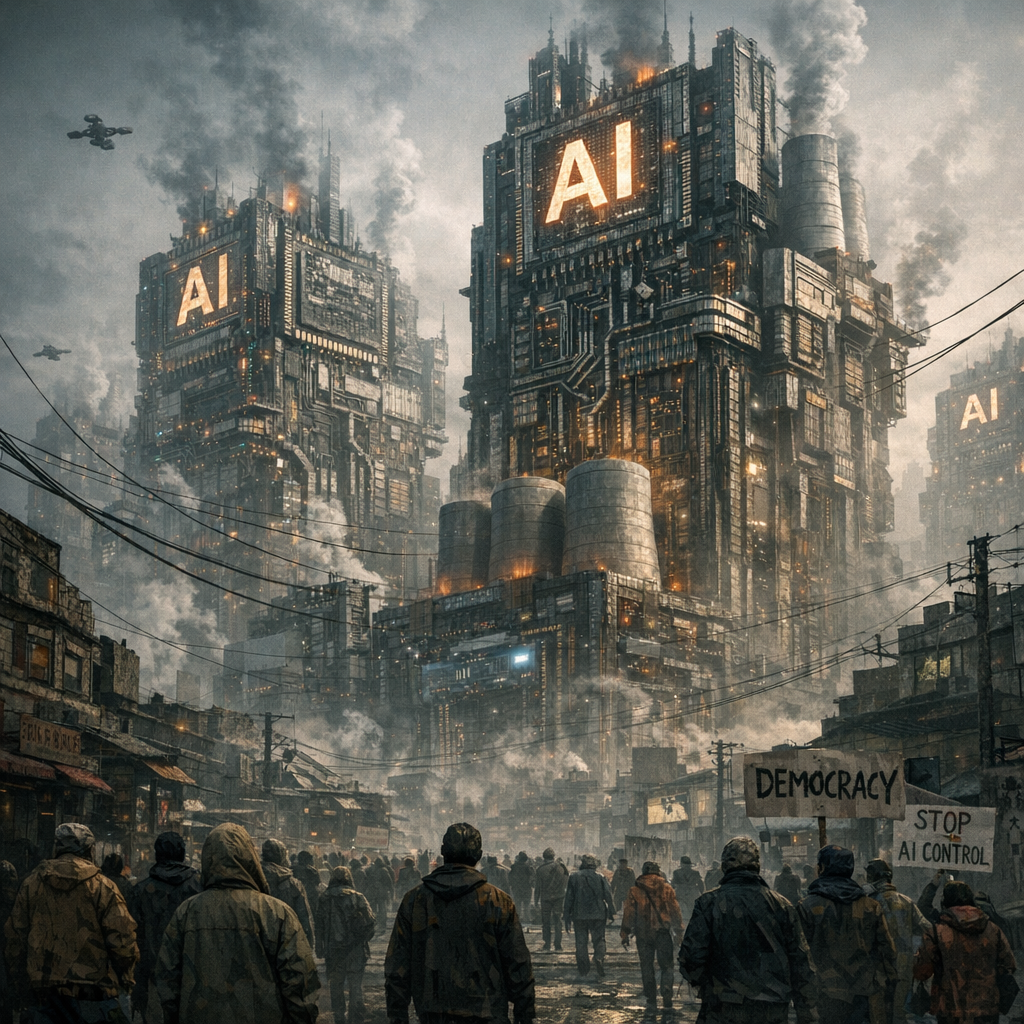
Behind these AI tools are a handful of big tech giants — OpenAI, Google DeepMind, NVIDIA — controlling the models, the chips, the cloud infrastructures. This concentration of power raises critical questions about monopoly, transparency, and bias. When AI begins to write critical software, who audits the AI? Who ensures ethical standards?
Can Programmers Reinvent Themselves?
Faced with this upheaval, programmers must ask: how do we co-evolve with AI instead of being replaced? The future likely favors those who master AI prompt engineering, system orchestration, and hybrid human-AI collaboration. But is this accessible to everyone, or just the new elite?
Conclusion: A Call for Awareness and Action
The automation of programming is not a distant threat; it’s happening now. Ignoring this will lead to workforce displacement and a drift toward technocratic control of software creation. We must question the narrative of unstoppable progress and demand ethical frameworks, transparent AI governance, and inclusive adaptation strategies.
Are we ready to face the end of traditional programming, or will we fight to redefine what it means to be a coder in the age of AI?

Related Articles
 Firefox Introduces Option to Disable All Generative AI Features in Upcoming Update
 Google Faces Backlash as Gmail Uses User Emails to Train AI Models by Default
 The AI CEO Power Game: How Tech Leaders Are Shaping Our Future Beyond Innovation
 How AI Power Concentration Threatens Innovation and Democracy