Is AI Really the Creative Savior or the Silent Destroyer?
We are told that artificial intelligence is the great enabler of creativity, the ultimate productivity booster, the key to unlocking human potential. But beneath this glossy narrative lies a disquieting question: is AI quietly eroding the very creativity it claims to enhance? And if so, who is ready to face the social consequences?
The Myth of AI-Driven Creativity
Generative AI models can produce text, images, music, and video at unprecedented scale and speed. Yet, are these outputs genuinely creative, or just sophisticated recombinations of existing data? The line blurs, raising uncomfortable questions about originality, ownership, and the devaluation of human artistic labor. Is creativity becoming a commodity to be mass-produced by algorithms?
Does Automation Kill the Creative Spark?
From automating writing workflows to generating viral content, AI tools promise to lighten creators’ workloads. But at what point does automation lead to homogenization? The risk is a world flooded with AI-generated content that looks diverse but feels eerily uniform, stifling unique voice and authentic innovation.
Ethics Beyond the Code: Who Guards the Guardians?
Ethical AI discussions often focus on bias and privacy, but the ethical implications on creativity and trust remain overlooked. As deepfake technology and synthetic voices mature, public trust in media veracity teeters. Are we prepared for a future where seeing is no longer believing? And how do we hold AI developers and big tech CEOs accountable for these risks?
Power Concentration: The New Gatekeepers of Creativity
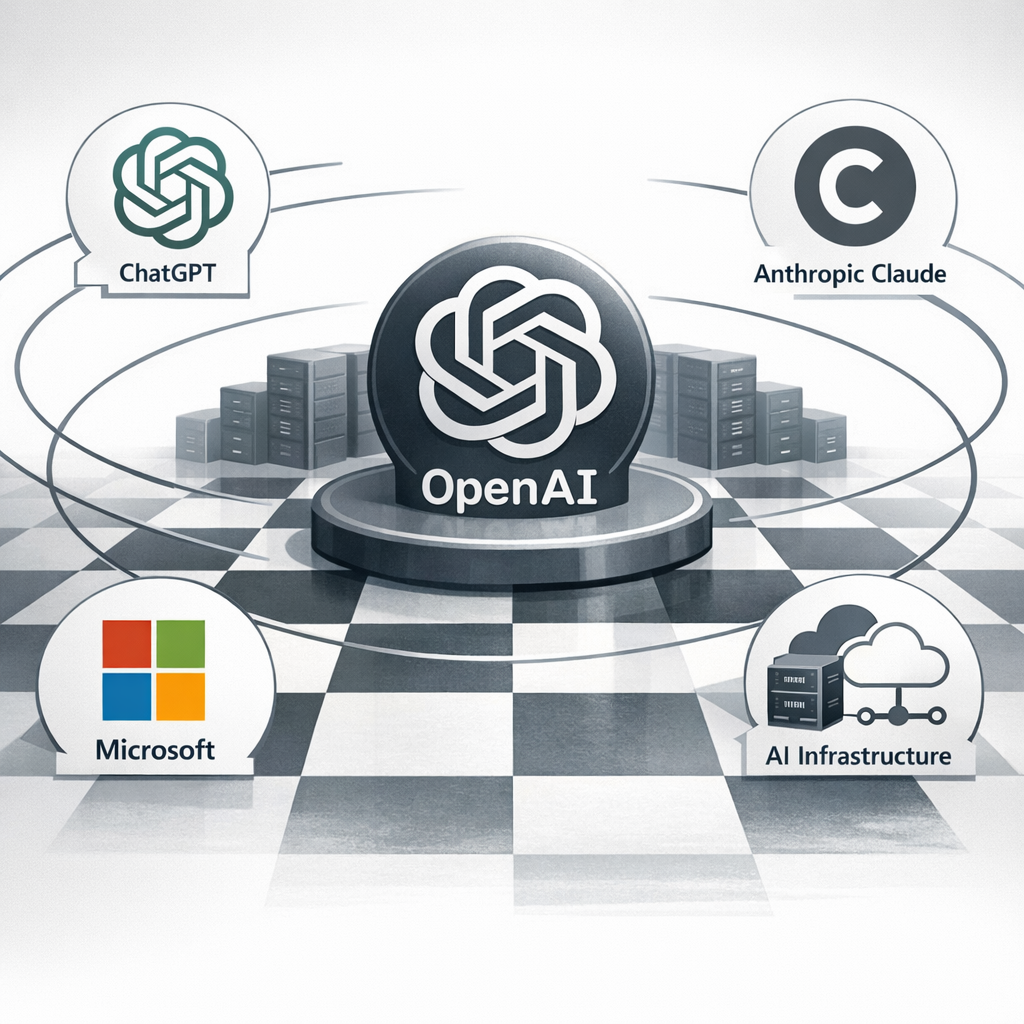
The AI revolution is not democratizing creativity as promised but centralizing it. A handful of powerful companies control the largest models and datasets, effectively gatekeeping who can innovate and who cannot. This raises uncomfortable parallels with capitalism’s worst excesses – where data supremacy translates into cultural dominance.
What Can We Do?
- Demand transparency in AI training data and model biases.
- Support open-source AI projects to decentralize technological power.
- Champion ethical regulation that includes creative and social impacts.
- Encourage creators to experiment with AI as a tool, not a replacement.
- Raise awareness about the long-term societal risks of unchecked AI proliferation.
Conclusion: Facing the AI Paradox
AI is not an unmitigated force for good or evil. It is a mirror reflecting our choices and values. As creators, consumers, and citizens, we must question the current trajectory where AI threatens to commodify creativity and erode social trust. The future depends on whether we insist on ethical stewardship before technological dominion becomes irreversible.

Related Articles
 Pure Storage and Microsoft Azure Drive AI-Ready Data Solutions for Enterprise Modernization
 Microsoft’s Rapid Data Center Expansion Puts Sustainability Ambitions at Risk Amid AI Boom
 Why AI Power Is Concentrating Faster Than Wealth and What It Means for Our Future
 OpenAI to Retire Popular GPT-4o Model from API Access by February 2026