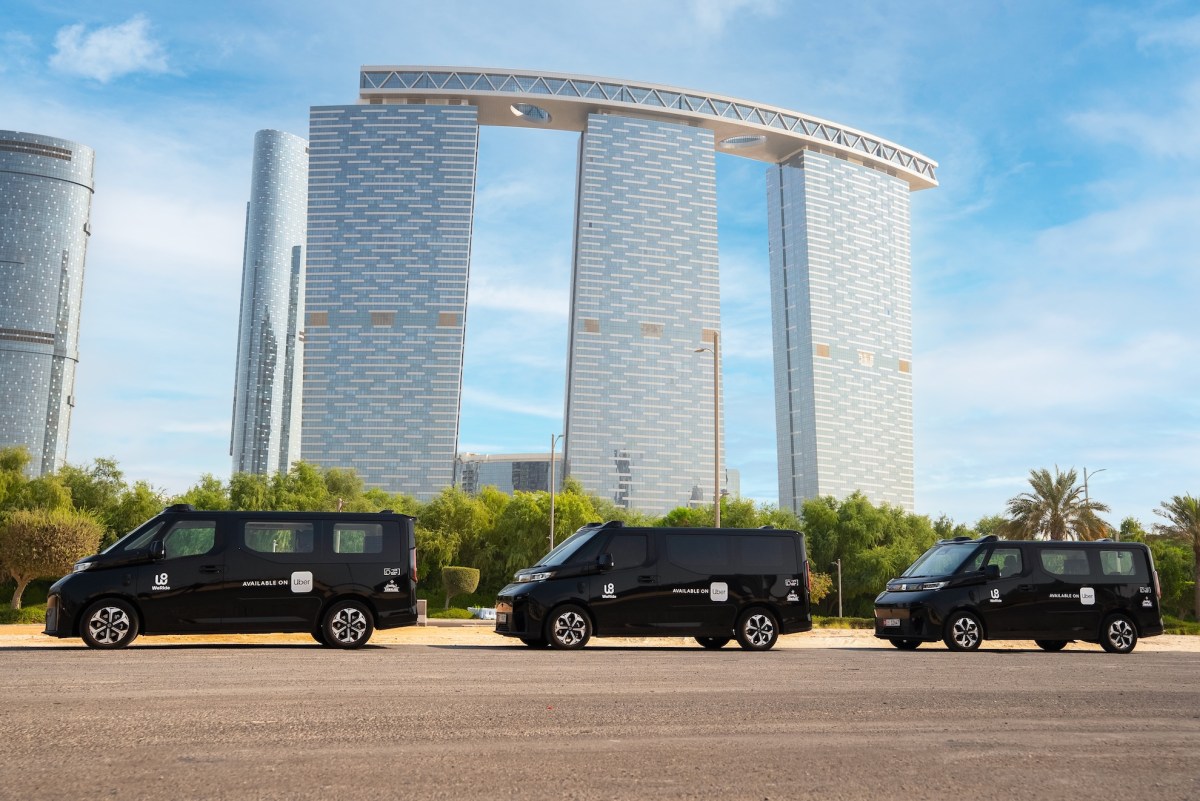
Uber and WeRide Achieve Milestone with Driverless Robotaxi in Abu Dhabi
In a significant advancement for autonomous mobility, the robotaxi service jointly developed by Uber and WeRide in Abu Dhabi has officially become fully driverless. Originally launched last year with a human safety operator present to oversee operations, the service has now transitioned to operate without any human intervention inside the vehicle.
From Safety Operators to Full Autonomy
Since its inception, the robotaxi service has been testing and refining its autonomous driving capabilities. The presence of a human safety operator was a critical safety measure during the early stages, ensuring passenger security and responding to any unforeseen circumstances. The removal of this onboard human supervisor marks a major technological and regulatory achievement, demonstrating confidence in the vehicle’s AI-driven systems.
WeRide, a leading autonomous driving technology company, partnered with Uber to deploy this service in Abu Dhabi, a city rapidly embracing smart transportation solutions. The robotaxis leverage advanced AI algorithms, sensors, and real-time data processing to navigate urban environments, pick up passengers, and complete trips without manual control.
Implications for AI and Autonomous Transportation
This development highlights the accelerating progress in AI for robotics and autonomous agents, underscoring how AI infrastructure and sophisticated neural network architectures enable safer, more reliable driverless services. Removing the human safety operator reduces operational costs and paves the way for wider adoption of autonomous ride-hailing services globally.
Moreover, this milestone reflects ongoing efforts to align AI systems with safety standards and regulatory requirements. Abu Dhabi’s regulatory framework has been instrumental in facilitating testing and commercial deployment, setting an example for AI policy and governance in autonomous mobility.
Looking Ahead
Uber and WeRide plan to continue expanding the driverless robotaxi service, potentially introducing it to other cities and refining AI capabilities further. This achievement also adds momentum to the broader AI business landscape, where startups and established companies compete to innovate in autonomous transportation and AI-powered productivity tools.
As the technology matures, experts anticipate that fully autonomous vehicles will transform urban transit, reduce traffic accidents, and increase accessibility to mobility services worldwide.
Fonte: ver artigo original

Related Articles
 Anthropic’s Export Controls Ignite Global AI Sovereignty Debate
 Google and NVIDIA Collaborate to Slash AI Inference Costs with Advanced Infrastructure
 Google Unveils Gemini 3 Pro Image Model, Earning Acclaim for Advanced Enterprise-Grade AI Visuals
 Quince Reaches $10 Billion Valuation with $500 Million Funding Led by Iconiq