
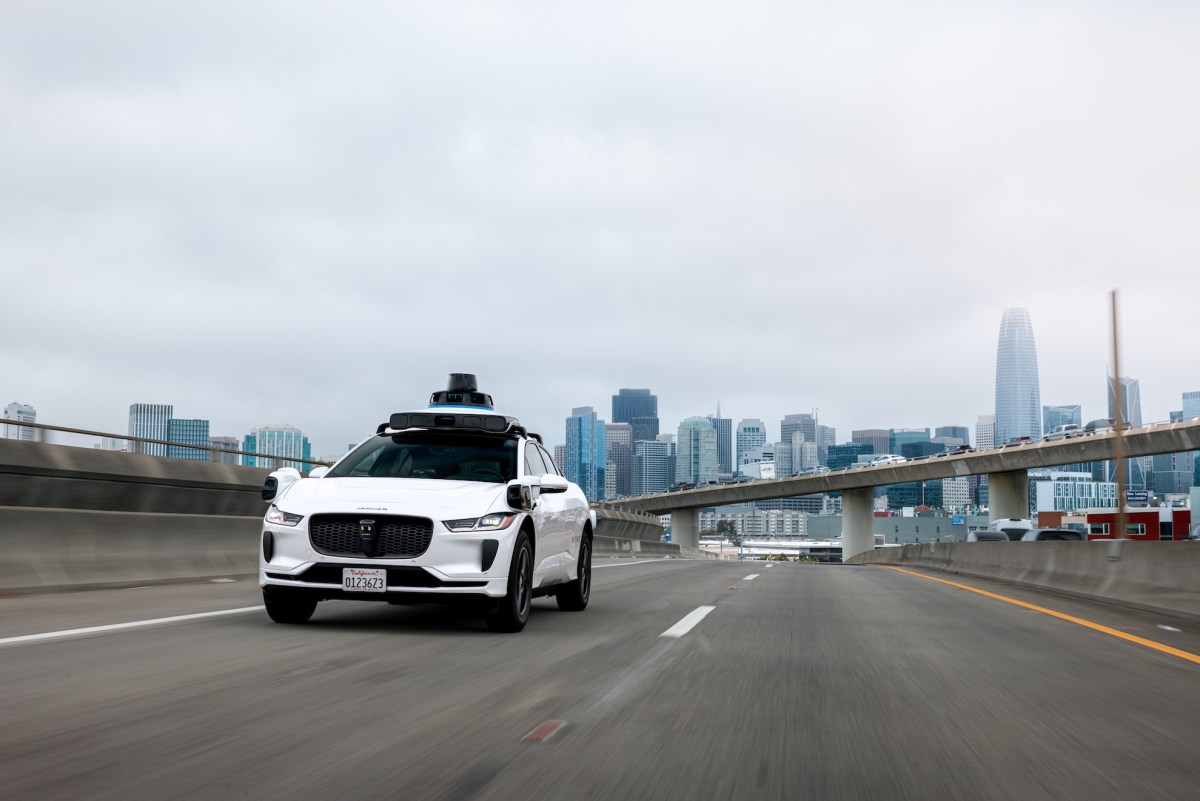
Waymo Expands Its Autonomous Driving Footprint in California
Waymo, a leader in autonomous vehicle technology, announced on Friday that it has obtained regulatory approval to operate its fully autonomous robotaxi service across an expanded geographic area within the state of California. This authorization covers critical regions such as the Bay Area and Southern California, allowing the company to provide driverless rides to a larger population.
Regulatory Milestone in Autonomous Vehicle Deployment
The California Department of Motor Vehicles (DMV) granted Waymo the regulatory clearance after rigorous safety assessments and compliance reviews. This approval enables Waymo to deploy its fleet without a human safety driver on board across more complex urban and suburban environments, a significant step toward the company’s vision of scalable and safe autonomous mobility.
Waymo’s expansion aligns with the broader industry push toward commercializing autonomous driving technology, aiming to reduce traffic accidents and increase transportation accessibility. The company has been a pioneer in the self-driving sector, leveraging advanced AI systems, sensor fusion, and real-time decision-making algorithms to navigate diverse driving scenarios.
Industry Context and Competitive Landscape
This regulatory advancement comes amid intense competition among tech giants and startups focused on autonomous driving, including Tesla, Cruise, and Aurora. As regulatory bodies worldwide develop frameworks to oversee autonomous vehicle operations, approvals like Waymo’s are critical benchmarks that reflect both technological maturity and regulatory trust.
Executives and experts emphasize the importance of stringent safety protocols and transparent reporting to foster public confidence. Waymo’s continued growth demonstrates the increasing role of AI-driven automation in transforming traditional transportation sectors.
Looking Ahead: Autonomous Vehicles and AI Regulation
Waymo’s expanded authorization underscores ongoing regulatory evolution in AI and autonomous systems governance. As companies push the boundaries of what AI can achieve in real-world applications, regulators face the challenge of balancing innovation with public safety and ethical considerations.
Industry observers expect further developments in AI policy, safety standards, and public infrastructure adaptation to support widespread autonomous vehicle integration in the coming years.

 Anthropic Retires Claude Opus 3 AI Model with a Unique Human Touch: Launches Retirement Blog
 Ramp Nears $40 Billion Valuation Amid New $750 Million Funding Talks
 The True Energy Cost of AI: Understanding the Electricity Behind Model Training
 How AI is Revolutionizing Forex Trading Automation


