
# The Rise of Open-Source AI Models: Empowering Community Innovation
In recent years, the artificial intelligence landscape has seen a significant shift towards open-source models. As companies and researchers release their work to the public domain, the community is witnessing a surge in innovation and collaboration. Open-source AI not only democratizes access to advanced technology but also fosters a culture of shared knowledge and development. This article explores the leaders in the open-source AI movement, the companies driving this change, and the broader impact on society.
## The Leaders in Open-Source AI
Several key organizations have emerged as frontrunners in the open-source AI domain, each contributing unique models and tools that empower developers and researchers.
– **Hugging Face**: Known for its transformers library, Hugging Face has become synonymous with open-source natural language processing. The company emphasizes the importance of community engagement, allowing users to share models and datasets freely.
– **OpenAI**: While OpenAI is known for its proprietary models like ChatGPT, it also supports open-source initiatives. The organization promotes responsible AI use and collaborates with other entities to develop open standards and frameworks.
– **EleutherAI**: This grassroots collective aims to provide open-source alternatives to proprietary AI models. Their flagship project, GPT-Neo, offers a free version of a powerful language model, enabling researchers and developers to experiment without financial barriers.
– **Google Research**: Google has released numerous open-source AI tools, including TensorFlow and BERT. By making these resources available, the tech giant encourages collaboration and accelerates advancements in the field.
## The Benefits of Open-Source AI Models
Open-source AI models present numerous advantages that can transform industries and enhance community engagement:
– **Accessibility**: With open-source models, developers of all backgrounds can access cutting-edge technology. This reduces the entry barriers for startups and independent researchers who may not have the resources to afford expensive tools.
– **Collaboration**: The open-source approach fosters a collaborative environment where developers can share their findings and improve upon each other’s work. This leads to faster innovation cycles and the rapid evolution of AI capabilities.
– **Transparency**: Open-source models allow for greater scrutiny and understanding of AI systems. This transparency can help mitigate biases and ethical concerns, as users can review and modify the underlying code.
– **Education and Skill Development**: Open-source resources serve as valuable learning tools. Students and aspiring AI experts can experiment with real-world models, gaining practical experience that can enhance their careers.
## The Community Impact of Open-Source AI
The proliferation of open-source AI models has far-reaching implications for various sectors, including healthcare, education, and the creative arts.
### Healthcare
Open-source AI has the potential to revolutionize healthcare by enabling researchers to develop diagnostic tools and predictive models without the constraints of proprietary software. For instance, AI models can analyze medical data to identify patterns and predict outcomes, ultimately improving patient care.
### Education
In the realm of education, open-source AI tools can personalize learning experiences. Developers are creating applications that adapt to individual students’ needs, providing tailored resources that enhance learning outcomes. This can be particularly beneficial in underfunded educational environments where resources are limited.
### Creative Industries
The creative sector is also experiencing the impact of open-source AI. Artists and musicians are leveraging AI tools to generate new forms of art and music, pushing the boundaries of creativity. Open-source models allow creators to experiment with algorithms that can inspire unique works, making art more accessible and diverse.
## Challenges and the Future of Open-Source AI
Despite its many benefits, the open-source AI movement is not without challenges. Issues such as data privacy, ethical considerations, and the potential for misuse remain critical concerns. As more individuals gain access to powerful AI tools, the responsibility to use them ethically becomes increasingly important.
### Key Challenges
– **Ethical Use**: Open-source models can be easily adapted for malicious purposes, necessitating discussions around responsible use.
– **Quality Control**: The democratization of AI means that not all models will meet rigorous standards, potentially leading to unreliable outputs.
– **Funding and Resources**: While community-driven projects thrive on collaboration, securing funding can be a challenge for long-term sustainability.
### Looking Ahead
As the open-source AI movement continues to grow, collaboration among tech companies, academic institutions, and the broader community will be vital. By working together, stakeholders can address challenges, share best practices, and ensure that AI technology benefits society as a whole.
In summary, the open-source AI landscape is evolving rapidly, driven by community innovation and collaboration. As more organizations embrace this model, the potential for groundbreaking advancements in various sectors becomes increasingly tangible.
Based on reporting from www.sciencedaily.com.
Based on external reporting. Original source: www.sciencedaily.com.

 The Download: the risk of falling space debris, and how to debunk a conspiracy theory
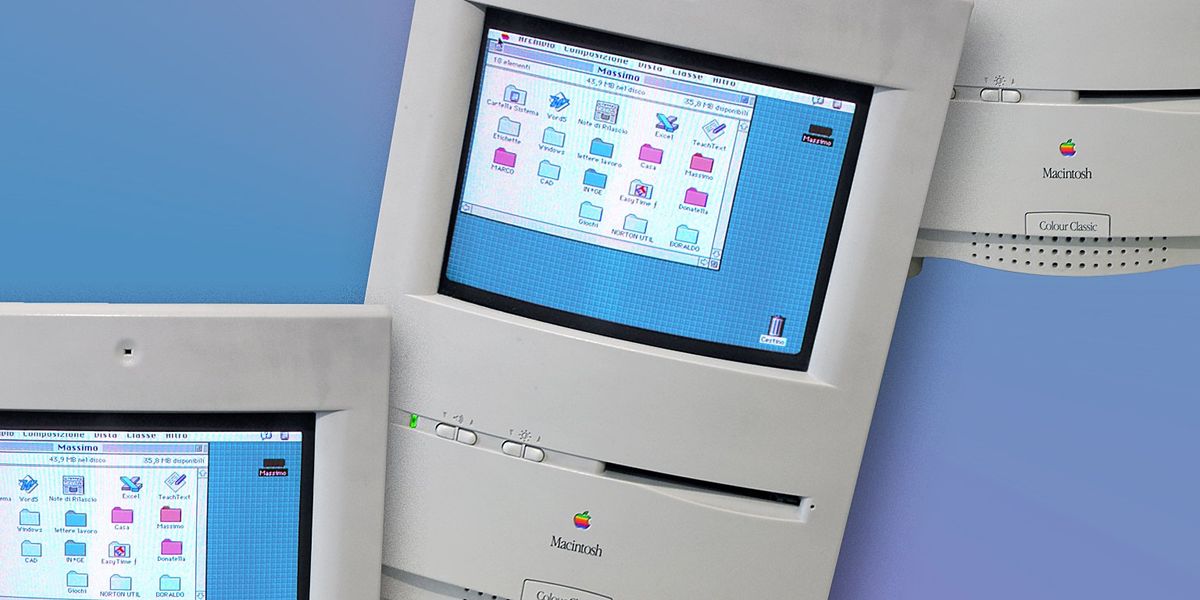 Apple’s Failed Foray Into Mac Clones